






The Body's Internal Clock
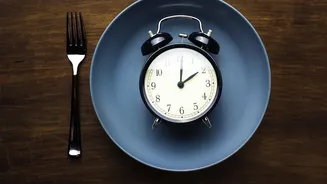
Every person operates on an internal 24-hour cycle known as the circadian rhythm. This biological clock, located in the brain, regulates sleep-wake cycles, hormone release, and even digestion. It’s designed to align our bodies with the natural day-night
cycle, meaning our digestive systems are most active and efficient during the day. When you work overnight and eat during your shift, you’re essentially asking your digestive system to perform a demanding task when it’s programmed to be resting. This disconnect, called circadian misalignment, is a primary reason why shift work is linked to various health issues.
The Metabolic Risks of Nighttime Eating
Eating during the night forces your body to process food when it's metabolically in 'sleep mode'. This has significant consequences. Studies have shown that consuming meals at night can lead to elevated blood sugar levels. One study found that night-shift workers who ate at night experienced a 6.4% increase in their average glucose levels, a key risk factor for developing type 2 diabetes. In contrast, workers who restricted their meals to the daytime showed no such increase. This happens because the body’s ability to process sugar and its sensitivity to insulin are lower at night. Over time, this misalignment can increase the risk of obesity, heart disease, and metabolic syndrome.
The Case for Daytime Meals
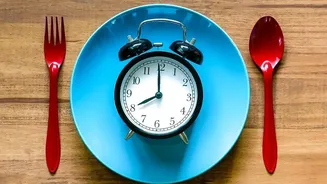
The solution lies in a concept called chrononutrition—timing your food intake to support your body's natural rhythms. By shifting your primary meals to daylight hours, you allow your body to digest food when it is most prepared to do so. This simple change can prevent the blood sugar spikes associated with nighttime eating, helping to mitigate the long-term risk of diabetes and heart disease. Workers who adopt this pattern often report better digestive health, avoiding issues like bloating, indigestion, and acidity that can be common when eating heavy meals overnight. Furthermore, stabilizing blood sugar helps maintain more consistent energy levels, reducing the fatigue that can plague night shift staff.
How to Make the Switch
Transitioning your eating schedule requires planning, but it's highly achievable. The goal is to consume your largest, most nutrient-dense meals during the day, before and after your sleep period. Think of your main meal as the one you have before you leave for your shift. During your overnight shift, focus on light, easily digestible snacks if you feel hungry. Good options include a handful of nuts, yogurt, fresh fruit, or vegetable sticks. It’s crucial to stay hydrated with water and avoid sugary drinks and heavy, fried foods, which can cause sleepiness and digestive upset. Preparing these snacks in advance can help you avoid the temptation of vending machines or unhealthy convenience foods.