




A Sanctuary for the Stars
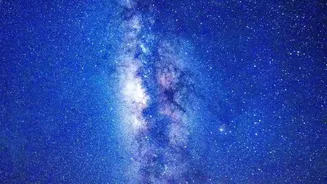
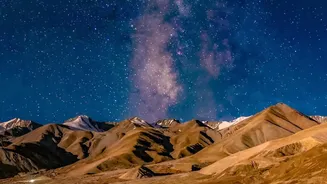
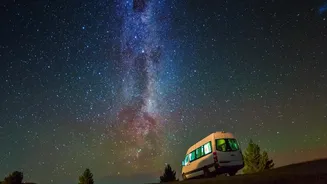
Imagine a sky so dark that the Milky Way casts a faint shadow on the ground. This isn't a scene from the distant past; it's the nightly reality in Hanle, Ladakh. Officially designated in 2022, the Hanle Dark Sky Reserve is a pioneering initiative to shield
the heavens from the ever-growing glare of artificial light. A dark sky reserve is a designated area where light pollution is strictly controlled to preserve the natural darkness of the night sky. The Hanle reserve covers an area of over 1,000 square kilometres within the Changthang Wildlife Sanctuary, making it a globally significant site for both scientific research and public wonder. Managed through a collaboration between the UT Ladakh administration, the Ladakh Autonomous Hill Development Council (LAHDC), and the Indian Institute of Astrophysics (IIA), it represents a formal commitment to keeping this cosmic window open.
Why Hanle is a Celestial Paradise
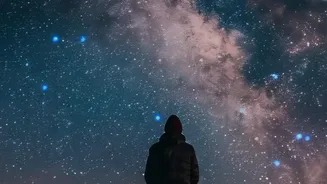
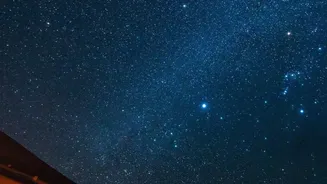
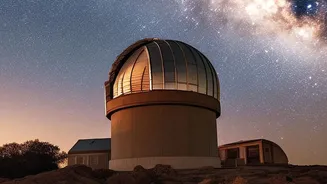
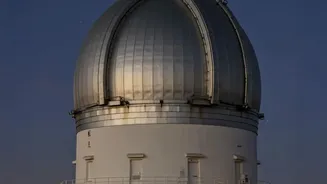
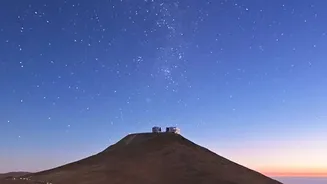
Hanle was not chosen by accident. Perched at an altitude of about 4,500 metres in the cold, arid Changthang Plateau, it offers some of the best stargazing conditions on Earth. The high altitude means the atmosphere is thin, dry, and stable, resulting in exceptionally clear views. The region experiences around 300 cloud-free nights a year, a key reason the IIA established its Indian Astronomical Observatory (IAO) here. This world-class facility houses powerful instruments like the Himalayan Chandra Telescope. Its remote location has historically meant near-zero light pollution, giving it a Bortle Class 1 rating—the darkest possible sky on the scale. This pristine environment allows astronomers, and even casual observers, to see celestial objects like the Andromeda Galaxy with the naked eye.
The Creeping Threat of Light Pollution
Light pollution is the brightening of the night sky caused by artificial lights, which creates a 'skyglow' that drowns out stars. It's a growing problem worldwide, with studies showing an annual increase in sky brightness that far outpaces satellite monitoring. This not only robs us of our connection to the universe but also disrupts human health by interfering with sleep cycles and affecting nocturnal wildlife. Even a remote place like Hanle is not immune. Increasing tourism, local development, and the headlights from vehicles pose a direct threat to the sensitive astronomical equipment at the observatory and the overall darkness of the site. The reserve was created precisely to combat these threats before they become irreversible, ensuring Hanle remains a premier site for astronomy.
Science, Tourism, and Local Livelihoods
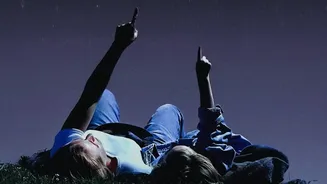
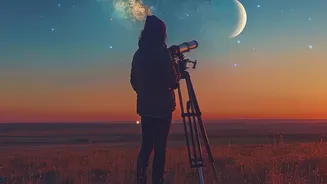
The Hanle Dark Sky Reserve is more than just a scientific asset; it's a model for sustainable development. By protecting the night sky, the initiative directly supports the cutting-edge research conducted at the IAO. Simultaneously, it has opened up a new economic avenue for the local community: astrotourism. Residents, who traditionally relied on pastoralism, are being trained as 'astropreneurs' and guides, operating telescopes for visitors and managing homestays. This approach creates a powerful synergy where the community becomes the frontline guardian of the dark skies that attract tourists. Visitors get an unparalleled cosmic experience, while the local economy benefits directly, creating a win-win for conservation and community empowerment.
A Community Effort for Cosmic Preservation
Preserving the darkness in Hanle is a collective effort. Under the reserve's light management plan, simple but effective measures are being implemented. The UT Ladakh administration has helped provide every household with dark curtains, shielded outdoor lamps, and warmer-toned bulbs that reduce skyward glare. Roads are being fitted with reflectors to reduce the need for high-beam headlights, which are strictly prohibited within the reserve at night. These rules, embraced by the local community, ensure that development can proceed without sacrificing the very resource that makes Hanle unique. It's a testament to how scientific goals and community needs can align to protect a shared natural and cultural heritage.