



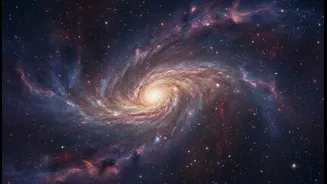


A New Cosmic Atlas
Forget clunky databases and disparate image libraries. The new initiative is a major update and integration of astronomical data into a single, user-friendly portal. While various galleries exist, recent efforts have focused on combining information from
multiple missions, including the powerful James Webb Space Telescope and the venerable Hubble Space Telescope. This allows users to view celestial objects in different wavelengths of light, from infrared to visible, revealing details that would otherwise remain hidden. For example, recent images of the galaxy Centaurus A showcase how Webb's infrared capabilities can pierce through cosmic dust, unveiling a tapestry of millions of individual stars that were previously obscured. This collaboration effectively creates a dynamic, multi-layered atlas of the sky, constantly updated with the latest findings.
More Than Just Pretty Pictures
While the stunning images of nebulae and distant galaxies are a major draw, this platform is much more than a simple photo gallery. It represents a powerful tool for education and public engagement. For the first time, data from flagship missions like Webb and ESA's Euclid telescope, which is creating a massive 3D map of the universe, are being presented in a way that is intuitive for non-scientists to explore. Users can do more than just look; they can interact. Imagine flying to the Pillars of Creation and then overlaying data to see how the view changes in different light spectra, highlighting newly forming stars. Some platforms have even started to incorporate 'sonifications,' which translate astronomical data into sound, offering a completely new way to experience the cosmos. This transforms passive viewing into active exploration.
How to Start Your Cosmic Journey
Getting started is surprisingly simple. These resources are web-based and completely free, accessible through the official NASA and ESA websites. Begin by navigating to the multimedia or gallery sections. Look for portals specifically highlighting the James Webb Space Telescope (JWST) or collaborative galleries. A great starting point is to search for a familiar object, like the Orion Nebula or a planet in our solar system, and see what new perspectives are available. Many of these portals feature curated collections, such as 'Picture of the Month' or galleries celebrating mission anniversaries, which provide excellent, context-rich starting points for your exploration. For example, you might find a recent deep-dive into a galaxy cluster that is actively being built, providing a glimpse into the universe's past.
For Students and Amateur Astronomers
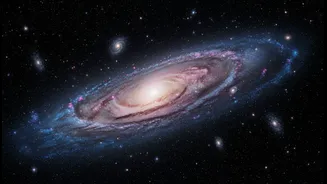
This new wave of accessibility is a game-changer for students and amateur astronomers. Instead of needing specialised software, anyone can now access and compare professional-grade data from the world's most advanced telescopes. Recent ESA announcements about the Euclid mission, for example, highlight the public release of its 'cosmic atlas' data, which is being used to study dark matter and dark energy. While the full scientific datasets are complex, the associated image galleries provide an unprecedentedly wide and deep view of the sky. This allows enthusiasts to follow along with current science, examining the same areas that researchers are studying. It’s an open invitation to look over the shoulders of astronomers and share in the thrill of discovery, whether it's identifying a supernova remnant or simply marvelling at the structure of a spiral galaxy millions of light-years away.