



Embarking on your first solo trip is an exhilarating rite of passage. It promises freedom, self-discovery, and adventure. But between the excitement and the planning, a few common missteps can create unnecessary stress, cost, or even risk.
1. Jam-Packing Your Schedule
The urge to
see and do everything is strong, but one of the biggest mistakes a first-time solo traveller can make is creating a rigid, minute-by-minute itinerary. This approach leaves no room for the spontaneous magic that makes solo travel so rewarding—like discovering a hidden cafe, lingering in a fascinating museum, or accepting a dinner invitation from new friends. An over-scheduled trip often leads to exhaustion and feels more like a checklist than an experience. A better strategy is to identify one or two 'must-do' activities each day and leave the rest of your time flexible. This hybrid approach ensures you see the highlights without sacrificing the freedom to explore at your own pace.
2. Ignoring Local Customs and Context
Arriving in a new country without understanding its cultural norms is a significant risk. This goes beyond simple etiquette; it's a matter of safety and respect. Researching local dress codes, attitudes towards solo women, tipping customs, and basic laws helps you blend in and avoid attracting unwanted attention. For example, what is considered normal social behaviour or attire at home could be inappropriate or even illegal elsewhere. Before you go, spend time reading travel blogs, government advisories, and forums to understand the practical realities of your destination. Knowing how to navigate public transport safely or which neighbourhoods to be cautious in after dark is crucial information that guidebooks might miss.
3. Overpacking Your Bags
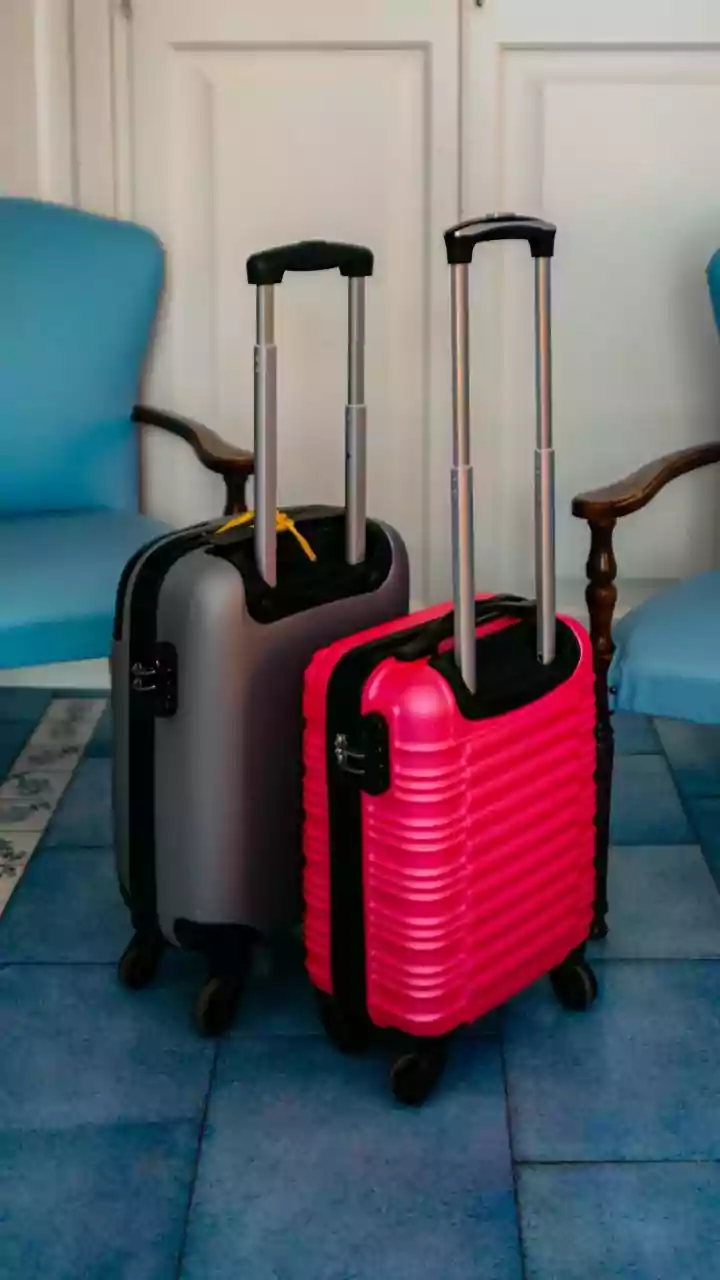
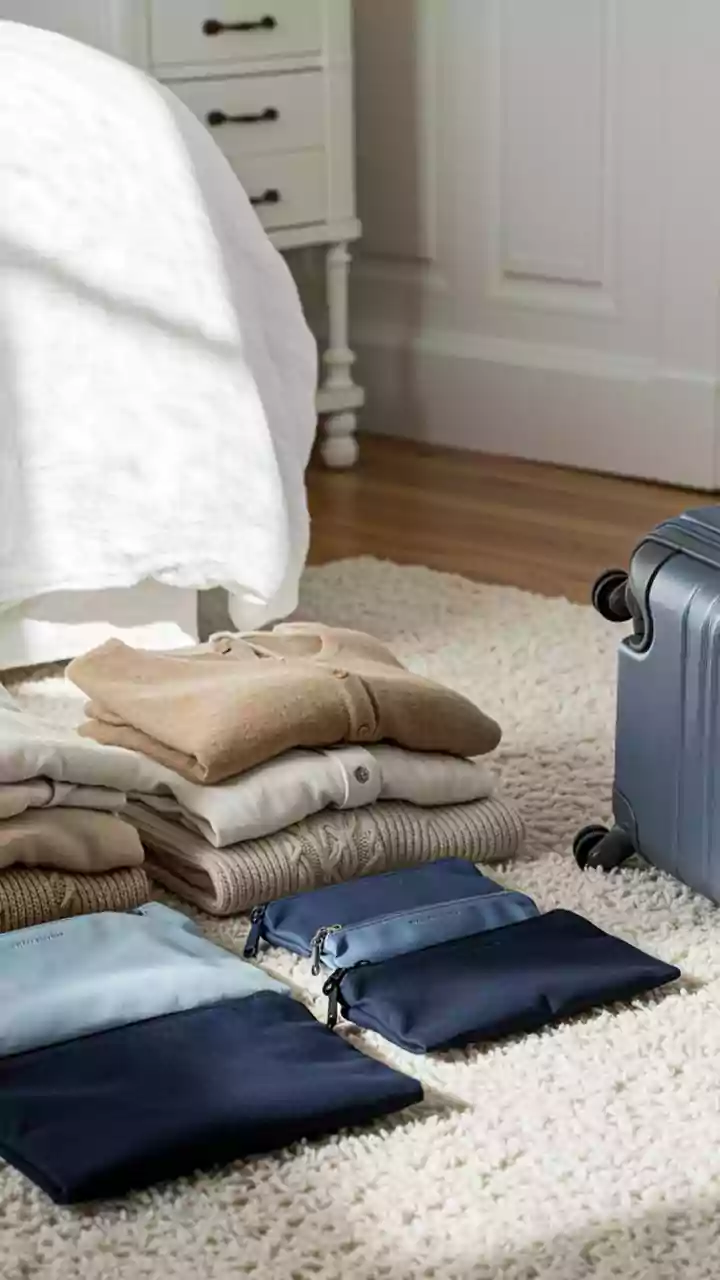
When you're the only one responsible for your luggage, every extra kilogram matters. Overpacking is a classic rookie mistake that complicates every part of your journey, from navigating crowded train stations to hauling a heavy suitcase up several flights of stairs. A bulky bag makes you less mobile and a more obvious target for thieves. The key is to pack light and smart. Choose versatile, layerable clothing in neutral colours that you can mix and match. Plan to do laundry on your trip instead of packing an outfit for every single day. Remember, unless you're heading somewhere extremely remote, you can almost always buy anything you forget. A carry-on and a small backpack are often all you need.
4. Booking Inflexible Flights and Hotels
Saving money with nonstrefundable bookings is tempting, but it can be a costly mistake for a solo traveller. Without a companion to split cancellation fees, you bear the full financial hit if your plans change. For your first solo trip, prioritise flexibility. Opt for accommodation with generous cancellation policies, which provides a safety net if you decide to change your route or feel uncomfortable with a location. When booking, read the fine print carefully. Sometimes booking directly with a hotel offers better terms than thirdparty sites. Paying a little extra for a flexible rate is often worthwhile insurance against the unexpected.
5. Choosing Accommodation on Price Alone
The cheapest hostel or rental is rarely the best choice, especially when travelling alone. Location should be your top priority. Choosing a place to stay in a poorly lit or remote neighbourhood to save a few dollars can compromise your safety and add significant transport costs. Instead, look for accommodation in central, wellpopulated areas with good access to public transport. Before booking, read recent reviews specifically from other solo travellers. They often provide the best insights into the safety of the neighbourhood, the helpfulness of the staff, and the social atmosphere, helping you choose a place that truly fits your needs, whether you're seeking quiet solitude or a chance to meet others.