

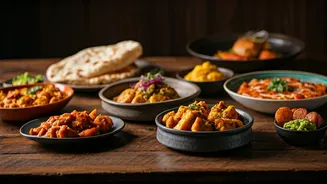




A Global Stamp of Approval
The latest accolade comes from one of the world's most trusted travel guides, Lonely Planet, which has featured Kerala's cuisine in its prestigious "Best in Travel 2026" list. The guide specifically highlights immersing oneself in the state's culinary
tradition as one of the top 25 travel experiences globally. This recognition places Kerala as the only destination from India on the list, celebrating how food is deeply interwoven with the region's way of life, history, and culture. Lonely Planet praises the remarkable variety of flavours that define the state’s identity, from the spicy, Muslim-influenced Mappila dishes of the Malabar Coast to the milder coconut-based stews of the south. The guide specifically recommends an evening food walk through the historic spice-trading quarters of Mattancherry in Kochi to experience this rich food culture up close.
The Soul of Kerala's Kitchen
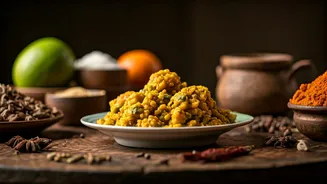
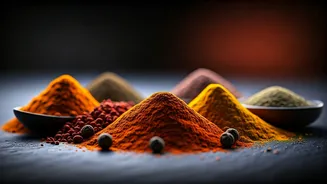
So, what makes Kerala's cuisine so captivating? It begins with a bounty of local ingredients shaped by its unique geography. Coconut, in its many forms—milk, oil, and grated flesh—forms the base of countless dishes, lending a creamy texture and subtle sweetness. Rice is the staple grain, appearing as fluffy steamed rice, the key component in soft appams, and the foundation of cylindrical puttu. The state's history as the epicentre of the global spice trade is evident in every meal. Centuries ago, traders from across the world were drawn to its shores for treasures like black pepper, cardamom, cloves, and turmeric, which remain the backbone of Keralite cooking today. This long history of trade has created a melting pot of culinary influences, with Arab, Portuguese, and Syrian Christian traditions all leaving their distinct mark on the local food.
A Feast for Every Palate
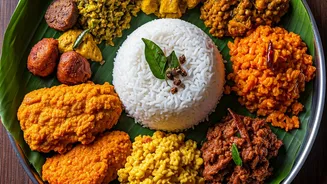
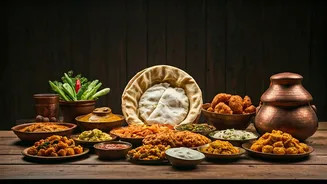
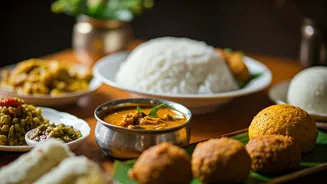
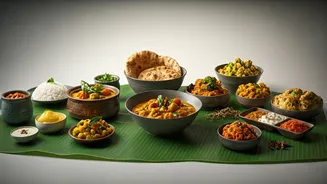
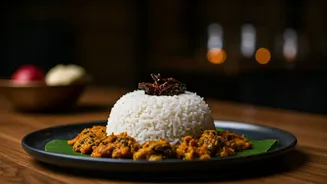
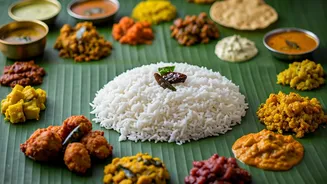
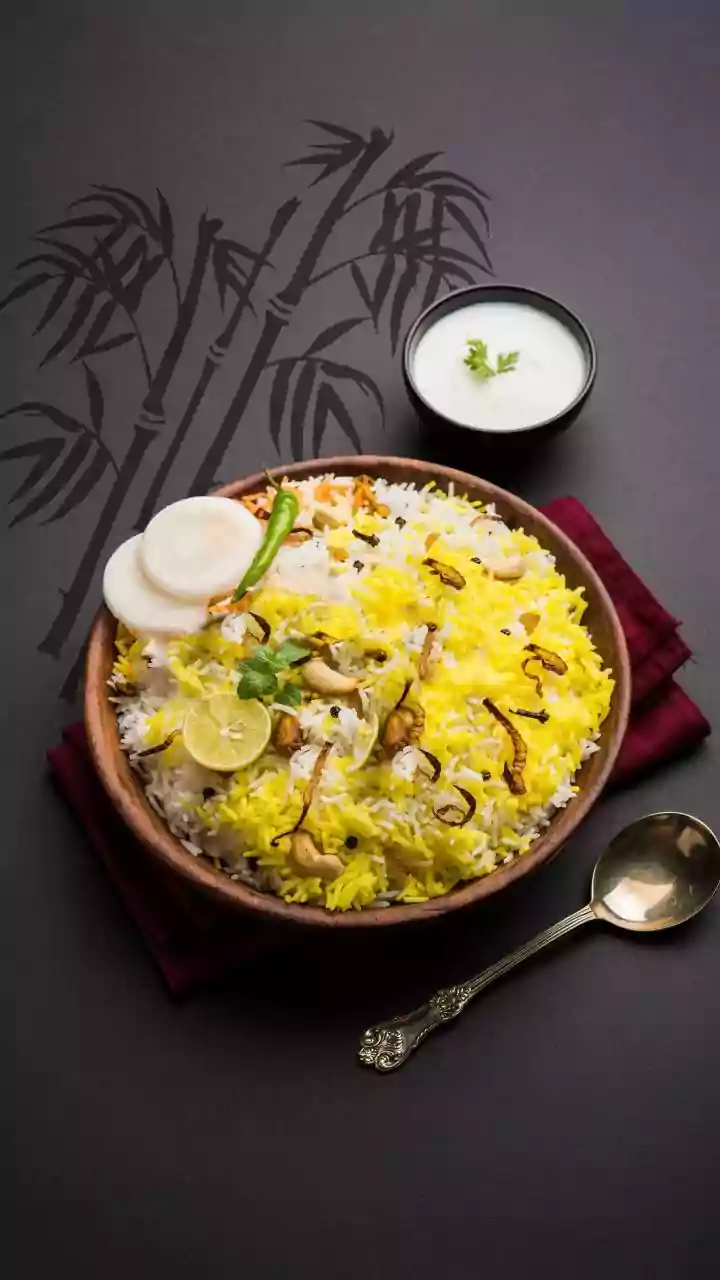
The diversity of Kerala's food is astonishing. For breakfast, a popular choice is Puttu, a steamed rice and coconut cake, served with Kadala Curry, a hearty black chickpea gravy. Another classic is the Appam, a soft, lacy pancake with a fluffy centre, often paired with a gentle vegetable or meat stew. The vegetarian Sadya is a cultural centrepiece—a lavish banquet served on a banana leaf with an array of dishes like Avial (mixed vegetables in a coconut-yogurt gravy), Thoran (stir-fried vegetables), and sweet Payasam for dessert. For non-vegetarians, the options are equally tantalising. Karimeen Pollichathu, a pearl spot fish marinated in spices and grilled in a banana leaf, offers a smoky, tangy experience. Meanwhile, the Malabar region is famous for its distinct biryanis, which use short-grain Kaima rice and a unique blend of spices, a testament to its rich Mappila heritage. Iconic eateries like Paragon in Kozhikode have gained global fame for perfecting this very dish.
More Than Just a Meal
This recognition from Lonely Planet is about more than just flavour; it's an acknowledgment of a deep-rooted cultural experience. The food in Kerala tells stories of its history, community, and traditions. From the humble toddy shops serving spicy seafood to the houseboats drifting along tranquil backwaters offering traditional meals, eating in Kerala is an immersive activity. This global nod is also not an isolated event. Kozhikode's Paragon restaurant has consistently been ranked among the world's most legendary restaurants by Taste Atlas, another influential food guide, climbing to the 5th position for its authentic Malabar cuisine. Furthermore, Kozhikode itself was recently designated as India's first UNESCO 'City of Literature,' a title that celebrates its intertwined cultural and culinary heritage. These honours confirm that Kerala's culinary scene is a vital part of its identity, deserving of its place on the world stage.