


An Offering of Purity and Devotion
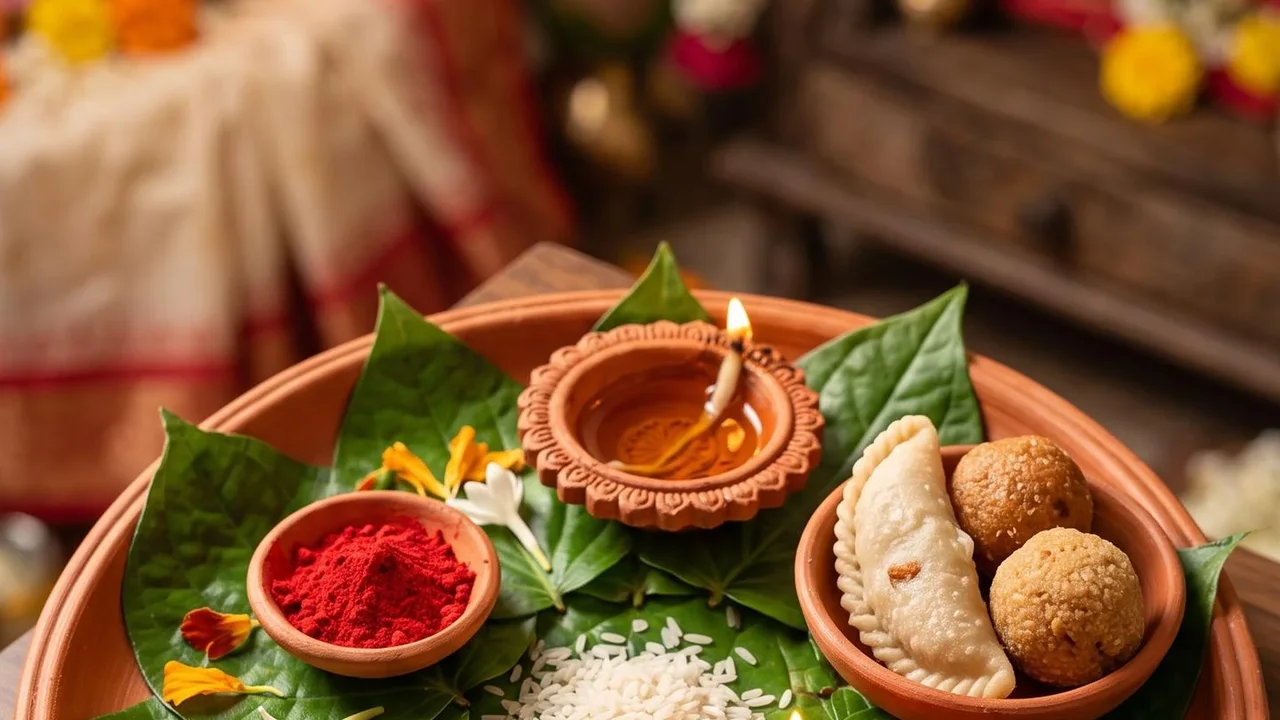
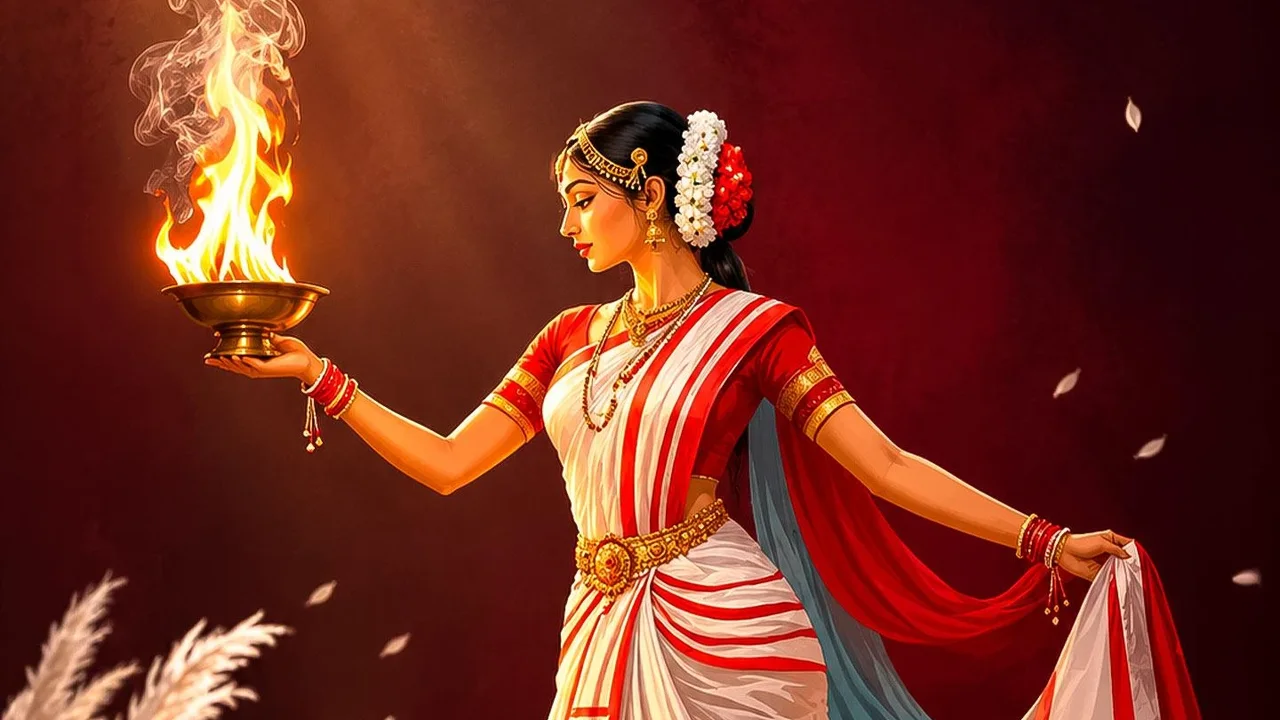
At the heart of Bengali religious life is the concept of 'prasad' or 'bhog'—food offered to a deity that is then considered blessed. Sweets are a quintessential part of this offering, symbolizing purity, happiness, and gratitude. During Durga Puja, the grandest
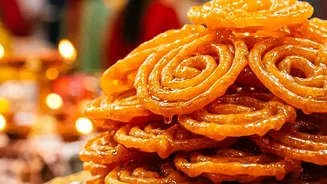
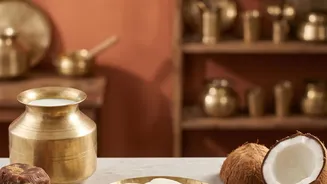
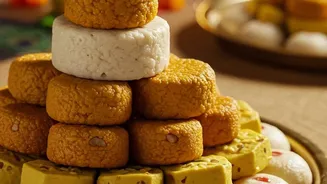
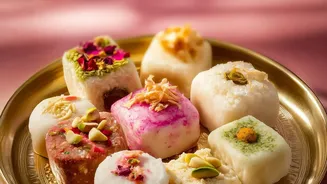
festival in Bengal, specific sweets are prepared as offerings. Narkel Naru, simple yet symbolic coconut laddoos, represent purity and devotion and are lovingly prepared in homes. Chaal er Payesh, a rice kheer also known as 'paramanna' or the ultimate food, is an essential offering that signifies divine blessings and is slow-cooked with milk and rice. While iconic sweets like Sandesh are offered, many confections made from 'chhena' (split milk solids) like Rosogolla are traditionally absent from the 'bhog' platter, with older recipes based on flour, thickened milk, and jaggery taking precedence. This highlights a deep-rooted tradition where the very ingredients are chosen for their perceived sanctity.
Marking Life's Joyful Milestones
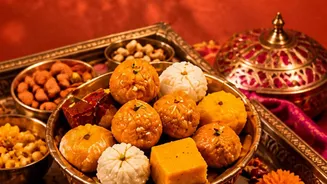
Beyond the temple, Bengali sweets are central to every life celebration, acting as a universal symbol of joy and good wishes. No wedding is complete without a grand spread of 'mishti'. It is customary for families to exchange ornate trays of sweets, a tradition that signifies the sweet beginning of a new relationship. Iconic items like Rosogolla and Mishti Doi (sweet yogurt) are staples at wedding feasts. Mishti Doi, often served in earthy clay pots, is a symbol of good luck and grounding for the new couple. Sweets like Patishapta, a crepe filled with coconut and jaggery, and the flaky Labanga Latika, a parcel-like pastry sealed with a clove, are also cherished parts of wedding menus, each representing joy and festivity.
The Ritual of 'Mishti Mukh'
The cultural practice of 'mishti mukh', or sweetening the mouth, demonstrates how deeply ingrained sweets are in the Bengali psyche. This ritual is performed to mark any and every piece of good news—from a new job to a good exam result or even welcoming a guest. Offering someone a sweet is a gesture of sharing happiness and wishing them well. It is an immediate, edible expression of goodwill that transcends words. This tradition ensures that sweets are not just reserved for grand festivals but are a part of everyday joys and social interactions, reinforcing community bonds with every bite.
From Seasonal Delights to Festive Staples
Different festivals and seasons in Bengal have their signature sweets. Sankranti, the harvest festival celebrated in winter, is synonymous with 'pithe' and 'puli'—a diverse category of sweets made with rice flour, coconut, and date palm jaggery ('nolen gur'). The arrival of 'nolen gur' itself is a celebrated culinary event, lending its unique smoky, caramel-like flavour to classics like Nolen Gur Sandesh and Nolen Gurer Payesh. For Pohela Boishakh, the Bengali New Year, Payesh and Patishapta are prepared to usher in a year of prosperity. Similarly, homemade treats like Malpua and Narkel Naru are staples during Durga Puja, representing a blend of homely warmth and festive indulgence.