







Choose Your Footwear Wisely
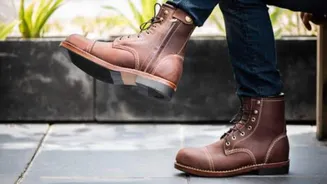
The first rule of monsoon shoe care is prevention. If possible, avoid wearing materials that absorb water easily, such as suede, canvas, and untreated leather. These materials are prone to staining, warping, and taking a very long time to dry in humid
weather. Instead, opt for footwear made from rubber, PVC, or other waterproof synthetics that can handle slush and rain while keeping your feet dry. If you must wear delicate shoes, treat them beforehand. A quality waterproofing spray creates an invisible barrier that repels water and dirt, giving you a fighting chance against a sudden downpour. Remember to apply it to clean, dry shoes and let it cure fully, preferably for 24 hours, for maximum effect.
The Immediate Post-Rain Ritual
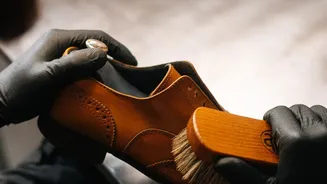
What you do the moment you get home is critical. Don't just kick off your wet shoes and forget about them. That's a direct invitation for moisture to settle in, leading to bacterial growth, odour, and material damage. First, wipe off any mud and grime with a soft cloth. If they are thoroughly soaked, remove the insoles and loosen the laces to open up the shoe as much as possible. This simple step improves air circulation dramatically. For leather shoes, a gentle wipe-down is essential to prevent water from stripping the material of its natural oils, which can lead to cracking.
Mastering the Art of Drying
This is where airflow and patience truly come into play. Your first instinct might be to use direct heat, but placing shoes near a heater, in an oven, or using a hairdryer is one of the worst things you can do. Intense heat can make materials like leather and synthetics brittle, cause them to crack, and even melt the adhesives holding the shoe together. Instead, stuff your shoes with an absorbent material like newspaper or paper towels. This draws moisture out from the inside while helping the shoe retain its shape. Replace the paper every few hours if the shoes are heavily saturated. Place the stuffed shoes in a well-ventilated, dry area indoors. Pointing a fan at them can significantly speed up the drying process without causing heat damage.
Fighting Fungus and Unpleasant Odours
Moisture and humidity create a perfect breeding ground for fungus and mould, resulting in that dreaded musty smell. Ensuring your shoes are completely dry before wearing them again is non-negotiable. Rotating between at least two pairs of shoes gives each one ample time (at least 24 hours) to dry out completely. To combat odours and residual moisture, consider using natural absorbers. Sprinkling baking soda inside your dry shoes or placing sachets of activated charcoal or cedar chips can help keep them fresh. Antifungal powders are also effective, both for your feet and lightly dusted inside your shoes to keep fungi at bay.
Proper Storage is Key
How you store your shoes during the monsoon is just as important as how you clean and dry them. Avoid tossing them into a closed, dark cupboard while they are even slightly damp. This lack of airflow traps moisture and guarantees the growth of mould. Always store your footwear in an open, airy space. If you're putting away shoes you don’t wear often, make sure they are completely dry and consider placing a silica gel packet or a dehumidifier box in the storage area to absorb excess environmental moisture. For materials like suede, brushing them gently with a suede brush after they are dry will help restore the soft, velvety texture.