





It’s no longer just a big-city phenomenon. Global fast-food brands are popping up in North India's smaller towns and cities at an unprecedented rate. This strategic shift goes beyond simple expansion, reflecting a major change in India's economy.
The New Growth Frontier
For years,
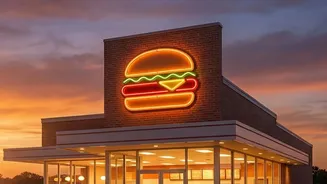
the playbook for Quick Service Restaurants (QSRs) in India was simple: conquer the metros. Cities like Delhi, Mumbai, and Bengaluru were the primary battlegrounds for brands like McDonald's, Burger King, and Domino's. But with high real estate costs, intense competition, and market saturation making every sale harder to win, these giants are looking for new frontiers. The next wave of growth is now decisively shifting towards Tier-2 and Tier-3 cities across the country, with North India emerging as a particularly strong market. Recent industry reports show that while Delhi NCR remains a major hub, the fastest growth rates are happening in smaller urban centers. This expansion into places like Ayodhya, Jhansi, Azamgarh, and Hathras signals a structural change in the market, moving from a metro-led model to a more geographically diverse opportunity.
An Aspirational Middle Class
A key driver of this expansion is the rising purchasing power and aspirations of consumers in smaller cities. As disposable incomes grow, so does the appetite for branded experiences and global cuisines. For many families and young people in these towns, dining at an international fast-food chain is more than just a meal; it's a form of entertainment and a status symbol. Brands that are seen as convenient, everyday options in metros often carry an aspirational tag in emerging markets. This 'climber' mindset, where consumers aspire to move up the social ladder, makes them eager to embrace global brands, creating a ready and willing customer base that is less saturated than its urban counterpart.
Favourable Economics and Lower Costs
The business case for moving into smaller cities is compelling. Soaring real estate costs in major urban centers put immense pressure on profitability, especially for dine-in formats. In contrast, Tier-2 and Tier-3 cities offer lower rental and operational costs, allowing chains to achieve better unit economics and a faster return on investment. This has encouraged brands to adopt more flexible, smaller-format outlets—like kiosks and express stores—that are easier to scale. Furthermore, with less competition from other organised chains, brands can establish a strong first-mover advantage and build customer loyalty in markets that were previously underserved.
The Digital and Delivery Revolution
The rapid expansion would be nearly impossible without India's digital revolution. The widespread adoption of smartphones, affordable mobile data, and digital payment systems like UPI has laid the groundwork for modern food service. Food delivery apps such as Zomato and Swiggy have been instrumental, giving brands instant access to a wide customer base without the need for a prime dine_in location. These platforms have made ordering convenient and accessible for a new generation of consumers, effectively creating markets where none existed before. While reliance on aggregators comes with challenges like high commission fees, the digital infrastructure they provide is a critical enabler for penetrating deeper into India's smaller towns.
Cracking the Local Code
Success in these new markets isn't just about showing up; it's about adapting. Fast food chains have learned the importance of menu localisation to cater to regional tastes. Offering a robust selection of vegetarian options, for example, is non_negotiable, as research shows most Indians eat out in groups that often include at least one vegetarian. Brands are also introducing Indianised flavours, like masala burgers or paneer_based items, to appeal to local palates. This strategic blend of global branding and local flavour allows chains to feel both aspirational and familiar, a winning combination for capturing the hearts and wallets of India's emerging consumers.