





The Science of Living Light
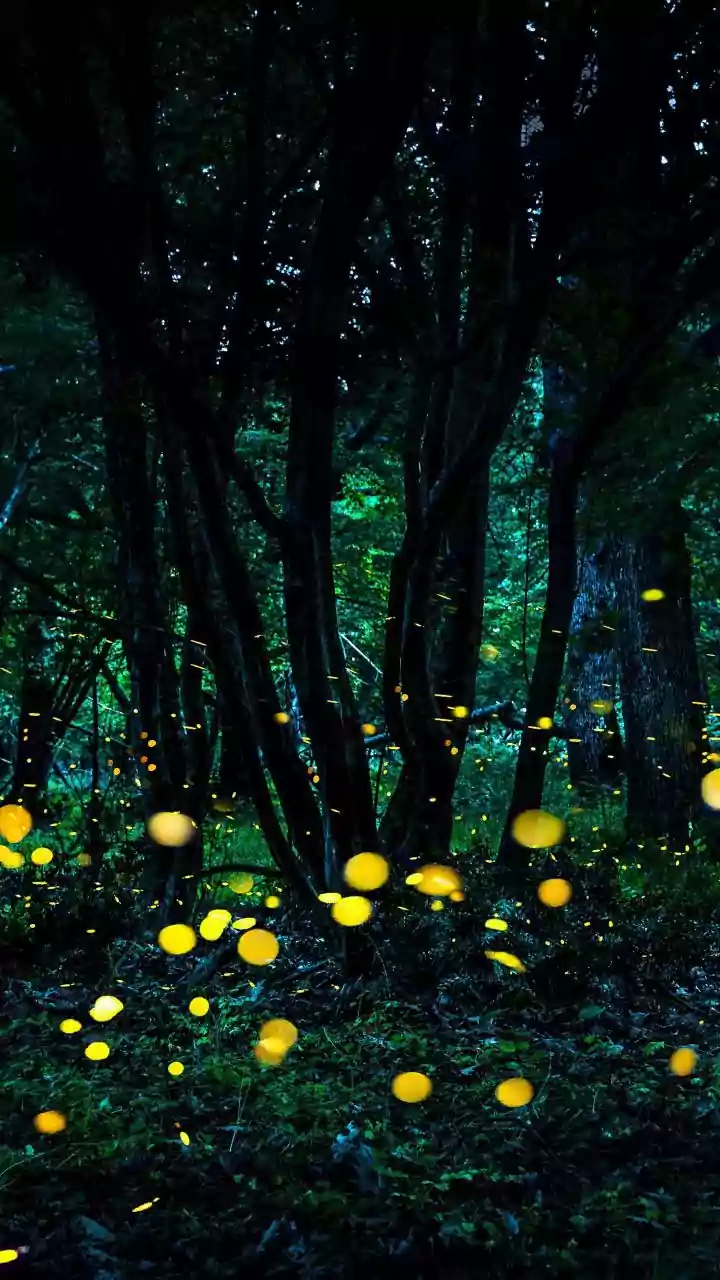
The magic behind this futuristic idea is bioluminescence, the same natural process that allows fireflies to light up summer nights and certain fungi to cast an eerie glow on the forest floor. At its core, it's a chemical reaction. An enzyme called luciferase
acts on a molecule called luciferin, causing it to release energy in the form of light. Researchers are now harnessing this natural phenomenon in two primary ways: either by genetically engineering plants to produce these light-emitting compounds themselves or by embedding specialized nanoparticles into their leaves. The goal is to create plants that are self-sustaining light sources, powered by their own natural metabolic processes.
Two Paths to Illumination
The genetic modification route involves integrating the light-producing genes from bioluminescent fungi or fireflies directly into a plant's DNA. Teams in China have reportedly engineered over 20 species, including roses and petunias, that can emit a soft glow on their own. An American company, Light Bio, has already brought a genetically modified 'Firefly Petunia' to the consumer market in the United States, which glows with a light described as similar to moonlight. The second approach, pioneered by engineers at MIT, avoids genetic modification. Instead, they infuse plant leaves with nanoparticles. One method uses particles that carry the necessary luciferase and luciferin. Another innovative technique uses 'light capacitor' nanoparticles made of a material called strontium aluminate, which absorb light during the day (or from an LED) and then release it slowly over several hours.
The Promise for Greener Cities
The potential benefits for urban environments are significant. Lighting accounts for a substantial portion of global energy consumption, contributing to carbon emissions. Replacing electric streetlights with bioluminescent trees could dramatically reduce this energy demand. These living lights wouldn't require a power grid, saving on electricity costs and infrastructure maintenance. Proponents also point to a reduction in light pollution; the soft, natural glow from plants would be far less disruptive to urban wildlife and human sleep cycles than harsh, artificial streetlights. Furthermore, a city full of glowing trees would absorb carbon dioxide, helping to combat climate change while creating a unique and beautiful urban aesthetic.
The Hurdles on the Road Ahead
Despite the exciting potential, a forest of glowing streetlights is not yet on our doorstep. The biggest challenge is brightness. Currently, the light emitted by most of these plants is quite dim, often compared to a night-light and not yet sufficient to safely illuminate a busy street. Early experiments produced a glow about one-thousandth of the amount needed to read by. While newer 'light capacitor' methods have boosted brightness tenfold, consistency and longevity remain issues. A plant's light might fluctuate, and it needs to be maintained in specific conditions to thrive. There are also public acceptance and regulatory hurdles to overcome, particularly for genetically modified organisms released into the environment.
The Future is Growing
Research is advancing rapidly. Scientists are continuously working to optimize the light output and duration, hoping to combine different technologies for even brighter results. Companies like Light Bio and Glow Plant Inc. are pushing the commercial possibilities, building partnerships and exploring the market for everything from novelty house plants to large-scale urban installations. While the initial applications are likely to be in contained spaces like parks, gardens, and tourist attractions, the long-term vision remains ambitious. The technology represents a fundamental shift in how we think about lighting—from a manufactured utility to a living, breathing part of our environment.