

The Pre-Fast Meal: Fuel for the Day
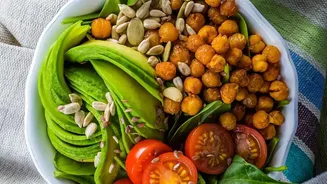
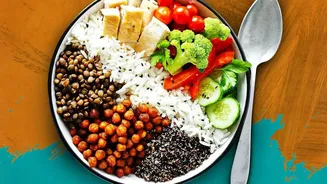
The meal you consume before starting your day's fast is foundational. The goal is to eat foods that provide sustained energy, keeping you full and preventing sharp energy dips. Focus on a balanced plate that includes complex carbohydrates, protein, and healthy
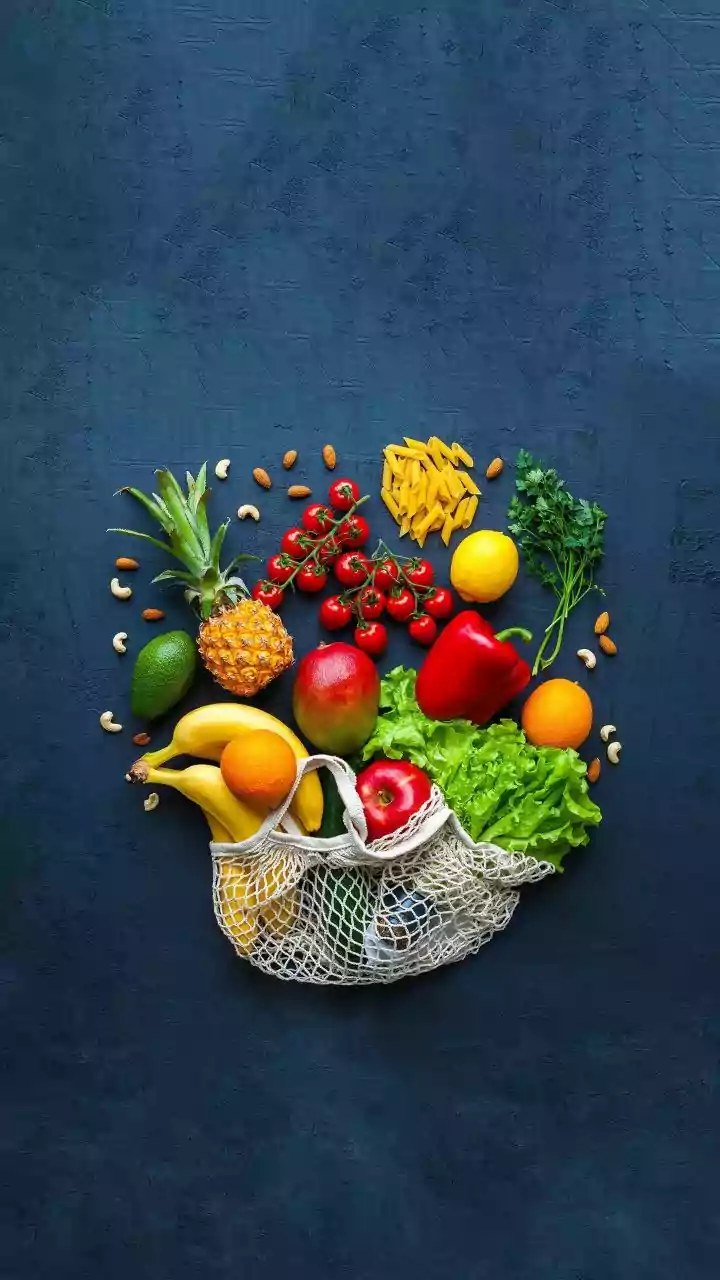
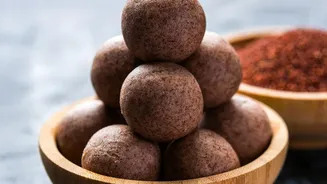
fats. Good options include pseudo-grains like buckwheat (kuttu) or amaranth (rajgira) in the form of rotis or cheelas. Pairing them with a protein source like paneer (cottage cheese) or a bowl of yogurt is an excellent strategy. Fruits such as bananas and apples provide natural sugars and fibre, while a handful of nuts like almonds and walnuts offer healthy fats and will help you feel satiated for longer.
Why These Foods Work
There's a simple science to building the right pre-fast meal. Complex carbohydrates, found in ingredients like kuttu atta and sweet potatoes, break down slowly, ensuring a steady release of glucose into your bloodstream. This prevents the fatigue that can come from a sudden drop in blood sugar. Protein from dairy and nuts slows down digestion, promoting a feeling of fullness. Hydration is also a key component. Starting your day with water, coconut water, or milk helps maintain your body's electrolyte balance and prepares you for the hours ahead. Avoid overly sweet or fried foods, as they can cause a quick energy crash and lead to dehydration.
Breaking the Fast: A Gentle Approach
After a day of fasting, your digestive system is in a sensitive state. Shocking it with heavy, oily, or excessively sugary foods can lead to discomfort, bloating, and undo the cleansing benefits of the fast. The first step should always be rehydration. Sip on water, coconut water, or a light buttermilk to replenish fluids and electrolytes lost during the day. This simple act prepares your stomach to receive food again. Once you've rehydrated, you can move on to a light, easily digestible meal.
Your First Post-Fast Foods
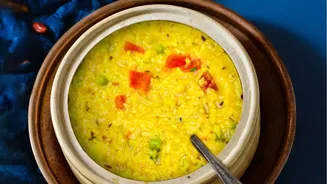
When breaking your fast, think light and nourishing. Start with a piece of fruit like a date or a banana. These provide natural sugars for a quick energy boost without overwhelming your system. A small bowl of yogurt can help restore healthy gut bacteria. For your meal, opt for simple preparations. A light vegetable soup, steamed or boiled vegetables like pumpkin or bottle gourd, or a small portion of Sabudana Khichdi are excellent choices. These foods are gentle on the digestive tract. Wait for at least 20-30 minutes after your initial drink before having a solid meal.
Common Mistakes to Avoid
One of the most frequent errors during Navratri is overcompensating during meal times. Eating an excessively large meal before the fast begins will not necessarily keep you full longer; it may just lead to sluggishness. Similarly, upon breaking the fast, resist the urge to immediately indulge in heavy or fried foods like kuttu ki puri or pakoras. These can be hard to digest and cause acidity. Another pitfall is inadequate hydration; sipping water and other permitted fluids throughout your eating window is crucial. Lastly, don't forget to include a variety of permitted foods to ensure you're getting a range of nutrients.