
The Nightmare of a Lost Pet
The feeling of dread when you realise your pet is missing is something no owner wants to experience. In that moment, your most powerful tool is a clear, recent photograph. When you create 'lost pet' flyers or post on social media, a photo is essential.
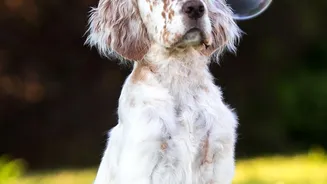
Time is critical, and you need to act fast to alert neighbours, local shelters, and animal control. A good photo should clearly show your pet's face, body, and any unique markings. An image taken in good light against a simple background is far more effective than a blurry action shot. It helps strangers accurately identify your pet, avoiding false hope from well-meaning but mistaken sightings. This single image becomes your pet's identity to the world, and a high-quality one dramatically increases the chances of a happy reunion.
When Seconds Count in an Emergency
Medical emergencies are just as frightening and happen without warning. Whether your pet has ingested something toxic, been injured, or is showing signs of severe distress, you need information instantly. Fumbling for your vet's number or trying to remember the address of the 24-hour emergency clinic wastes precious time. Having these contacts saved and easily accessible is vital. This information is also crucial for anyone else caring for your pet, like a friend or a professional pet sitter. If you're away, they need the authority and the information to act decisively. This includes your regular vet's details, the nearest emergency hospital, and the number for an animal poison control hotline.
Create Your Pet's 'Go-Card'
To be truly prepared, consolidate all essential information into one place. Think of it as an emergency 'Go-Card' for your pet. This can be a physical, laminated card in your wallet and on your fridge, or a dedicated note in your smartphone. This card should include the recent photo, your contact details, and your vet's information. Also, add your pet's microchip number, a brief description of their personality (e.g., 'shy around strangers'), and a list of any medical conditions, allergies, or medications. Having this information compiled means anyone can step in to help, from a neighbour who finds your lost dog to a pet sitter facing an unexpected health issue. It's a simple step that provides immense peace of mind.
Digital and Physical: The Best of Both Worlds
In today's world, you have multiple options for storing this vital information. A physical card on the refrigerator is great for pet sitters, while one in your wallet is always with you. However, digital storage offers powerful advantages. You can save a note on your phone's home screen, use a cloud service that can be accessed from any device, or install a dedicated pet health records app. These apps allow you to store vet records, vaccination history, medication schedules, and more, all in one secure place. The best strategy is often a hybrid one: keep a physical card for at-a-glance access at home and a comprehensive digital file on your phone for when you're on the go. This redundancy ensures you're prepared for any situation, no matter where you are.