



Meet Moringa, The 'Miracle Tree'
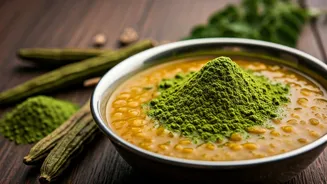
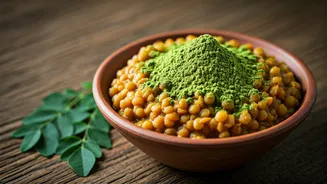
You probably know it as 'sahjan' or the drumstick tree. For generations, its long, green pods have been a staple in sambar and other curries across India. But the true nutritional powerhouse of this plant lies in its small, delicate leaves. When dried
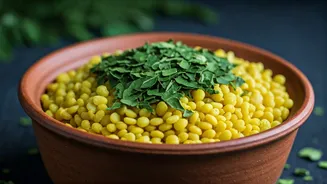
and crushed, these leaves become moringa powder or flakes—a vibrant green supplement packed with vitamins, minerals, and antioxidants. Traditionally used in Ayurvedic medicine for its wide-ranging health benefits, moringa has gained global recognition as a 'superfood'. It’s celebrated not just for one single nutrient, but for its incredibly dense profile, containing everything from Vitamin A and C to calcium and protein. This makes it more than just a fleeting wellness trend; it’s a time-tested ingredient with a deep-rooted history in Indian wellness.
The Iron Connection Explained
The headline's claim hinges on one key benefit: iron. Moringa leaves are an excellent plant-based source of this essential mineral, which is crucial for carrying oxygen in your blood and preventing the fatigue and weakness associated with iron deficiency. Studies on the nutritional content of dried moringa leaf powder show that it contains a significant amount of iron—ounce for ounce, often more than spinach. However, it’s important to understand that the iron from plant sources (called non-heme iron) is typically not absorbed as easily as iron from animal products (heme iron). But don’t let that discourage you. The key is to pair plant-based iron with other nutrients that enhance its absorption, which is where your hot lunch of lentils comes in.
Why Lentils are the Perfect Partner
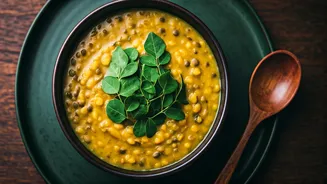
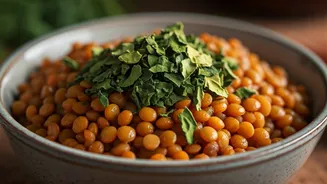
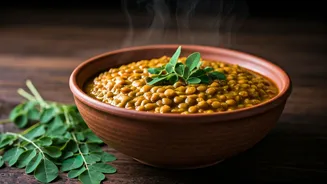
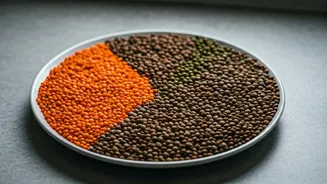
Pairing moringa with lentils, or dal, is a stroke of nutritional genius. Firstly, lentils themselves are a good source of iron and protein, making the combination a powerful tool for vegetarians and anyone looking to up their intake. A bowl of dal with a spoonful of moringa delivers a double dose of plant-based iron. Secondly, the typical preparation of dal in an Indian kitchen provides the perfect environment to maximize iron absorption. We often add tomatoes, onions, and a final squeeze of lemon juice or a side of amla pickle. These ingredients are rich in Vitamin C, a crucial nutrient that has been proven to significantly increase the body’s ability to absorb non-heme iron. So, your simple tadka dal, when fortified with moringa and finished with a dash of lemon, becomes a highly efficient iron-delivery system.
Your Simple Guide to 'Moringa Dal'
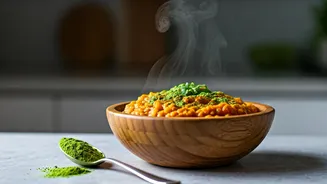
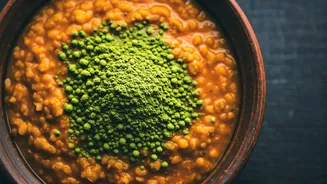
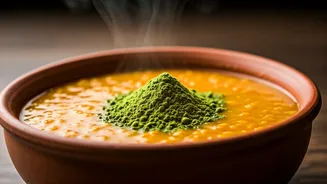
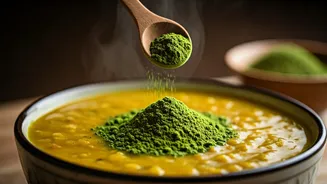
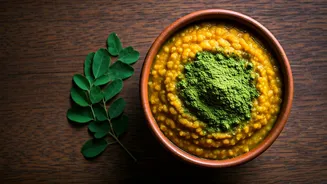
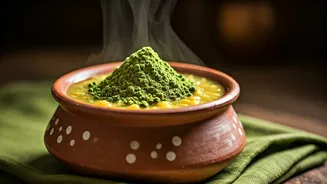
Incorporating moringa into your lentils couldn't be easier. The key is to preserve its delicate nutrients, which can be damaged by excessive heat. Instead of cooking it for a long time, simply stir in the moringa flakes or powder in the last few minutes of cooking your dal, or even right after you’ve turned off the heat and added your tadka. For a standard bowl of dal serving two to three people, start with one teaspoon of moringa flakes. Stir it in well until it dissolves. The taste is mildly earthy and slightly grassy, but in a flavourful and aromatic dish like dal, it’s barely noticeable. You get all the nutritional benefits without significantly altering the beloved taste of your comfort food.
Beyond the Dal Bowl
While adding moringa to your dal is a fantastic start, its versatility doesn't end there. The mild flavour makes it easy to sneak into a variety of everyday dishes. You can: - Mix a teaspoon into the dough for your chapatis or parathas. - Sprinkle it over scrambled eggs or a paneer bhurji. - Blend it into your morning smoothie for a green boost. - Stir it into soups, vegetable sabzis, or even a bowl of plain yoghurt. The possibilities are endless. The goal is to make it a consistent habit, and finding different ways to use it can keep things interesting.