





The Trouble with Traditional Pots
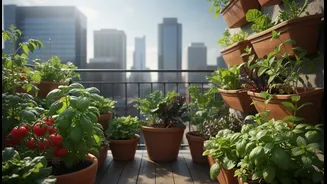
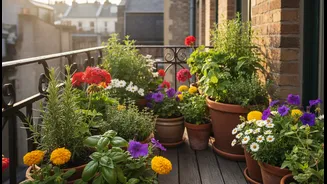
For apartment dwellers, the simple act of gardening can feel like a high-stakes operation. Lugging heavy bags of soil up elevators, storing them in a small flat, and the inevitable mess of potting and re-potting can be a major deterrent. Balconies can become
stained from soil and water runoff, a potential issue for tenants concerned about their security deposit. Furthermore, soil can harbour pests and fungi, leading to infestations that are difficult to manage in a compact living environment. Traditional pots also require frequent watering, as small containers dry out quickly, especially on windy or sunny balconies. This constant maintenance, combined with the mess, often discourages renters from ever starting.
The Hydroponic Alternative: Clean and Contained
Hydroponics eliminates the core problem: soil. This method of cultivation uses a nutrient-rich water solution to feed plants directly. Because there is no dirt, the entire process is significantly cleaner. There are no bags of potting mix to haul, no muddy spills to clean up, and no soil to compact or wash away. The systems are self-contained, meaning the nutrient solution circulates within the framework, preventing messy runoff that could stain balcony floors or drip onto neighbours below. This cleanliness also reduces the risk of soil-borne pests like fungus gnats, making for a healthier environment both for your plants and your home.
Smarter Design for Small Spaces
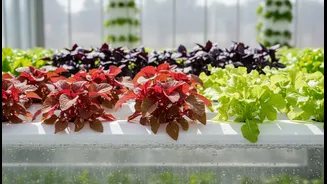
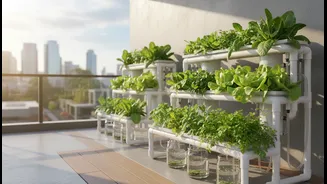
Balcony space is a premium, and hydroponic systems are designed with efficiency in mind. Vertical towers and stacked systems allow you to grow dozens of plants in just a few square feet of floor space. Instead of spreading pots out horizontally, you grow upwards, transforming a bare wall or corner into a productive green space. These frameworks are often lightweight and compact, making them ideal for balconies with weight restrictions. Whether it's a simple deep water culture (DWC) tub, a nutrient film technique (NFT) setup, or an elegant vertical tower, there's a hydroponic design to fit even the tiniest of balconies.
Less Work, More Growth
Beyond being cleaner, hydroponics is often less demanding. Many systems automate watering and nutrient delivery, with some requiring a reservoir refill only every few weeks. This eliminates the daily chore of checking soil moisture. Plants in hydroponic systems also tend to grow faster—often 30-50% quicker than their soil counterparts. With their roots receiving a direct and constant supply of nutrients, plants can dedicate all their energy to growing leaves and fruit, resulting in higher yields in less time. This efficiency means a renter can enjoy a steady supply of fresh lettuce, herbs, and even strawberries with minimal daily effort.
Water Wise and Eco-Friendly
Water conservation is another significant advantage. Traditional gardening is notoriously thirsty, with much of the water lost to evaporation and runoff. Hydroponic systems, being closed-loop, recirculate water and can use up to 90% less water than soil-based gardening. This is not only better for the environment but can also be a relief for renters conscious of their utility bills. By growing your own produce just steps from your kitchen, you also reduce your carbon footprint associated with food transportation and packaging.
Getting Started with Balcony Hydroponics
Starting a hydroponic garden on your balcony is more accessible than ever. For absolute beginners, the non-circulating Kratky method—which can be as simple as a mason jar or storage tub—requires no pumps or electricity. For those wanting a more automated setup, countertop kits and vertical towers come with everything you need, including grow lights for balconies with limited sun. The best plants for beginners in these systems are typically leafy greens like lettuce and spinach, and herbs like basil, mint, and parsley, all of which grow quickly and provide a rewarding harvest.