





More Than Just a New Roommate
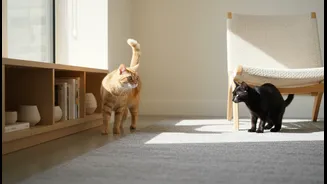
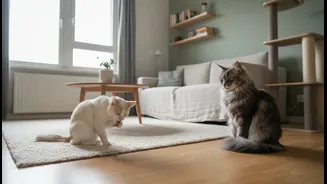
To a cat, a new feline doesn't register as a potential friend; it's an intruder. Cats are inherently territorial animals, and your home is their established kingdom. When a new cat arrives, the resident cat’s instinct is to defend its resources: food,
water, litter boxes, sleeping spots, and even your attention. This behavior isn't malicious—it's a deeply ingrained survival mechanism. Space aggression, which includes hissing, swatting, or blocking access to rooms, is a natural response to a perceived threat on their turf. The conflict you're seeing is less about personal dislike and more about a fundamental clash over territory and security.
Decoding the Subtle Warnings
Fights rarely happen without warning. Cats engage in a sophisticated dialogue of body language long before the first swat is thrown. Recognizing these signals is your greatest tool. A tail, for instance, tells a detailed story: a gentle, slow wag can be curiosity, but a tail that is twitching or lashing indicates irritation and agitation. Pay close attention to the ears; when they flatten against the head, it's a clear sign of fear or defensiveness. Eyes are another crucial indicator. Dilated pupils can signal high arousal, fear, or excitement, while a hard, direct stare is often a challenge. A cat that is crouching with stiffened legs or has an arched back with raised fur is preparing for a confrontation. Learning to spot these early warnings allows you to de-escalate a situation before it becomes a physical fight.
Turning Observation Into Action
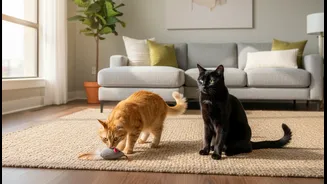
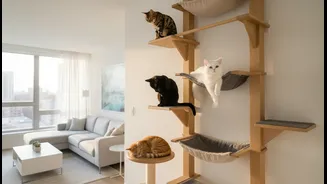
Once you can read the signs, you can intervene effectively. If you notice your resident cat staring intently at the newcomer with a twitching tail, it's time to create a distraction. Use a wand toy to redirect their focus or toss a treat away from the other cat to break the tension. The goal is to interrupt the aggressive posturing and replace it with a positive association. If one cat consistently blocks the other's path, you know that territorial stress is high. This is a cue to provide more resources, such as adding another litter box or feeding station in a separate area to reduce competition. Never punish a cat for hissing or growling; these are important communications that signal discomfort. Acknowledging their feelings and managing the environment is far more effective than scolding, which can increase fear and worsen aggression.
Building a Bridge, Not a Battleground
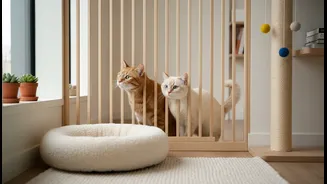
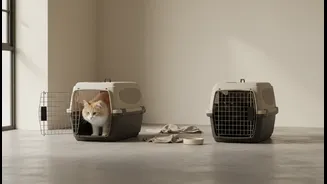
A successful introduction is a slow and steady process that respects a cat's need for security. The universally recommended method involves patience and separation. Start by giving the new cat its own 'sanctuary room' with all its necessities. This allows the cat to acclimate in a safe space while the resident cat gets used to the new sounds and smells. The next step is scent swapping: exchange bedding and toys between the cats so they can get to know each other through smell, which is a primary form of feline communication. After a few days, you can progress to feeding them on opposite sides of a closed door, creating a positive association (food) with the other's presence. Only after these steps are successful should you allow supervised visual contact through a baby gate or screen door before attempting short, supervised interactions in a neutral space.