





The Imported Superfood Treadmill
Walk into any upscale grocery store, and you'll find shelves dedicated to beautifully packaged grains and seeds from across the globe. Quinoa from Peru, chia seeds from Mexico, and oats from Australia are marketed as essential for a healthy lifestyle.
The message is clear: to be healthy, you must buy these exotic, often expensive, products. This marketing hype creates a sense of inadequacy, suggesting that our traditional foods are somehow not good enough. Beyond the high cost to consumers, there's an environmental price. These foods travel thousands of kilometres, a journey that contributes to greenhouse gas emissions through 'food miles'. The allure of these trendy imports often overshadows the incredible, nutrient-dense foods grown right here in India.
India's Humble Nutritional Powerhouses
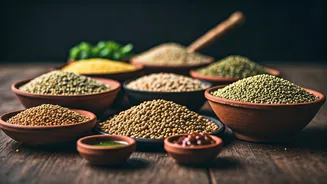
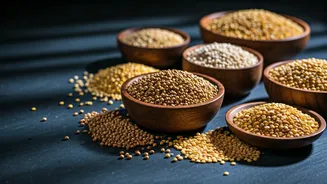
Enter millets, the ancient grains that have been a staple of the Indian diet for over 5,000 years. Known collectively as 'Shree Anna' or the esteemed grain, millets like jowar (sorghum), bajra (pearl millet), ragi (finger millet), and a variety of smaller millets like foxtail (kangni) and barnyard (sama) are making a powerful comeback. For generations, these grains were the foundation of our diets before being pushed aside by rice and wheat. Today, as we seek healthier and more sustainable food choices, millets are being rediscovered as India’s original superfoods. They are naturally gluten-free, resilient crops that thrive in our climate, and offer a nutritional profile that rivals, and often surpasses, their imported counterparts.
The All-Important Fibre Factor
One of the biggest selling points for imported health foods is their fibre content. But this is where millets truly shine. Dietary fibre is crucial for good health; it aids digestion, helps maintain stable blood sugar levels, and keeps you feeling full longer, which can help with weight management. When compared head-to-head, many Indian millets outperform the competition. For instance, barnyard millet contains over 10g of fibre per 100g, while quinoa has around 7g. This high fibre content makes millets a fantastic choice for supporting gut health and preventing issues like constipation.
More Than Just Fibre
While the fibre content is impressive, the benefits of millets don't stop there. They are nutritional powerhouses packed with essential minerals. Ragi, for example, is one of the richest plant-based sources of calcium, containing far more than quinoa. Barnyard millet is exceptionally high in iron. Millets are also a good source of protein, B vitamins, and antioxidants that help protect the body from damage. Furthermore, most millets have a low glycemic index (GI), meaning they release sugar into the bloodstream slowly. This helps prevent the energy spikes and crashes associated with refined grains and is particularly beneficial for managing blood sugar levels.
Kind to Your Wallet and the Planet
Perhaps one of the most compelling arguments for embracing millets is their affordability and sustainability. Quinoa can cost anywhere from ₹500 to ₹800 per kilogram in India, while various millets are typically available for a fraction of that price. Choosing millets means you are getting superior or comparable nutrition without the premium price tag of an imported product. Environmentally, millets are a farmer's friend. They are hardy crops that can grow in arid conditions with minimal water and fewer chemical inputs compared to rice and wheat. By choosing locally grown millets, you not only reduce your carbon footprint associated with food miles but also support Indian farmers and contribute to a more sustainable agricultural system.
Bringing Millets Back to Your Plate
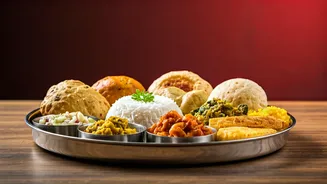
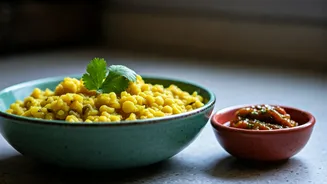
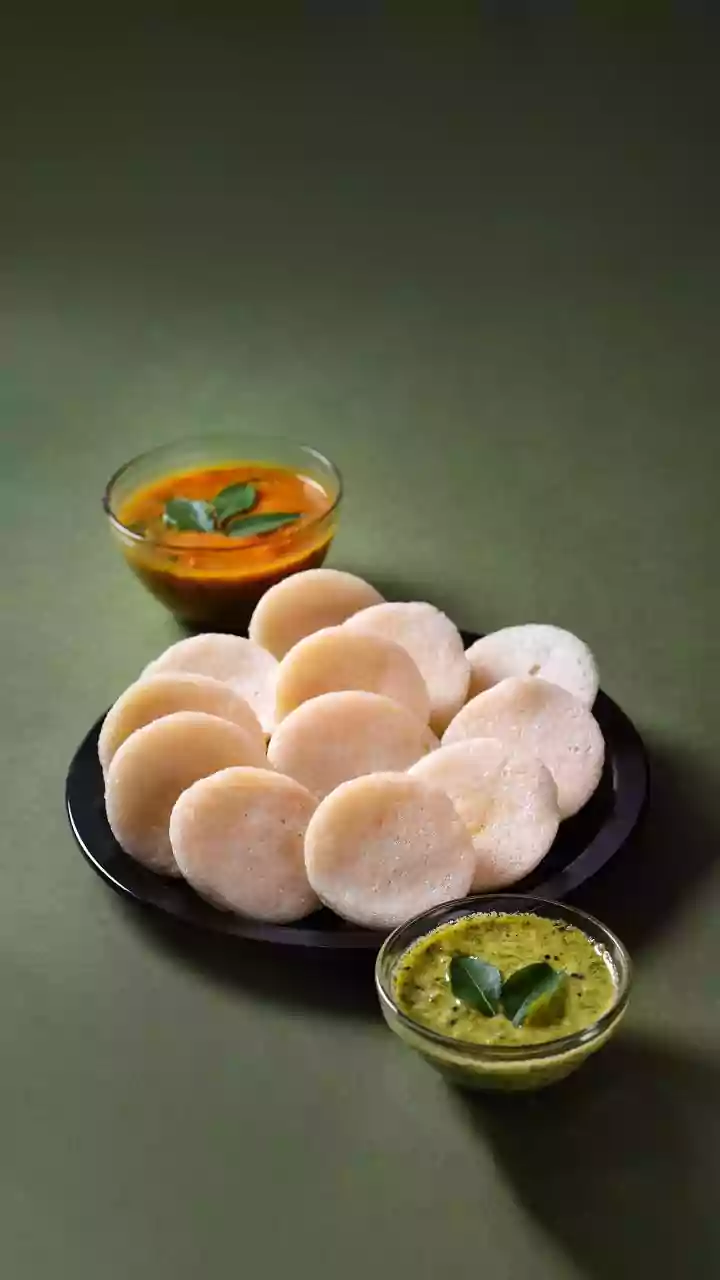
Incorporating millets into your diet is easier than you might think. You don't have to stick to just traditional rotis or porridge. Think of millets as a versatile substitute for rice or couscous. You can make fluffy millet pulao, creamy upma, or even use them as a base for salads and grain bowls. Millet flours, like ragi or jowar, can be used to make everything from dosa and idli to pancakes and baked goods. To enhance their flavour, try toasting the grains lightly in a dry pan before cooking. With a little creativity, these ancient grains can easily find a place in the modern Indian kitchen.