






Goodbye Paper, Hello Digital
For decades, travellers flying to Australia were handed a paper Incoming Passenger Card (IPC) to fill out before landing. This process is now being modernised. The Australian government is replacing the familiar orange paper card with a digital system
known as the Australia Travel Declaration (ATD). The goal is to make arrivals simpler, faster, and more efficient for the millions of people, including many from India, who visit Australia each year. This new digital system is the latest attempt to digitise the arrival process, following a previously discontinued Digital Passenger Declaration (DPD) in 2022. The new ATD is being rolled out in phases across all international airports and seaports over 12 to 18 months, with the transition expected to be complete by mid-2028.
What is the Australia Travel Declaration?
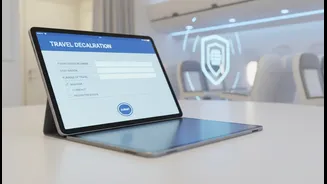
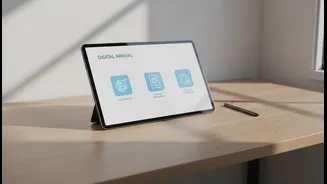
The ATD is simply the digital version of the paper arrival card. It collects the same essential information required by Australian Border Force and biosecurity authorities. This includes your personal and passport details, travel information like your flight number, your contact information in Australia, and your customs and biosecurity declarations. Instead of scrambling for a pen mid-flight, you can now submit this information online before you travel. The system is designed to reduce paperwork, shorten queues at the airport, and allow border agencies to assess information in advance, strengthening security and biosecurity checks. For now, the paper cards will remain available for travellers who cannot access the digital service, ensuring a backup is in place during the transition.
How to Complete the Declaration
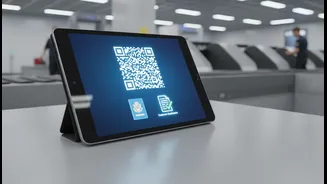
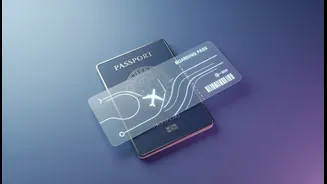
Completing the ATD is a straightforward process. Travellers can fill out the declaration online up to 72 hours before their flight to Australia. Initially, this will be done through a secure web-based form on an official government website. The government also plans to work with airlines to integrate the declaration directly into their mobile apps in the future. A successful pilot program involving over 450,000 passengers on select Qantas flights has already paved the way for this nationwide rollout. After submitting the form, you will receive a digital pass with a unique QR code, which will be sent to your email and can be saved on your phone. This QR code is then scanned by border officials upon arrival, making for a faster, more seamless experience.
A Key Distinction: DAD vs. Visa
It is crucial for Indian travellers to understand that the Australia Travel Declaration is not a visa. It is a mandatory arrival document that all travellers must complete. However, it does not replace the need to obtain a valid Australian visa. Indian citizens must still apply for and secure the appropriate visa—whether for tourism, business, study, or visiting family—well in advance of their travel dates through the Department of Home Affairs. The ATD is a separate, final step in the travel process, completed just before you depart. Think of it as your digital landing card, not your entry permit.
Tips for Indian Travellers
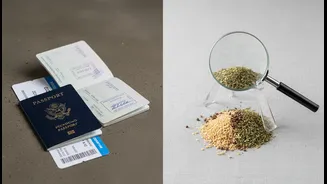
As the system rolls out, here are a few things to keep in mind. First, always check the latest requirements at the specific airport you are arriving at, as the digital system is being introduced gradually. Until it's fully implemented everywhere, you may still be handed a paper card on the plane. Second, be completely honest in your declarations, especially regarding biosecurity. Australia has very strict laws about bringing in food, plant material, or animal products, and the rules remain the same whether the form is digital or paper. Falsifying information can lead to significant penalties. Finally, save a screenshot of your QR code once you receive it. This ensures you have access to it even without an internet connection when you land, guaranteeing a smooth and stress-free entry into Australia.