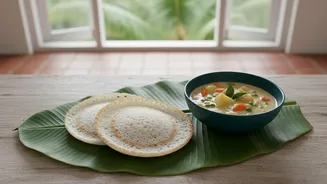

The Grand Tradition of the Sadhya
The word ‘Sadhya’ simply means ‘banquet’ in Malayalam, but the experience is anything but simple. It is a magnificent, multi-course vegetarian meal served on a fresh plantain leaf, featuring anywhere from 20 to over 40 distinct dishes. This is not just
food; it is a carefully orchestrated culinary event that celebrates abundance, community, and the rich harvest of the land. The dishes are arranged in a specific order on the leaf, creating a perfect balance of sweet, salty, sour, and spicy flavours, designed to be eaten with the hands to truly connect with the meal.
The Foundation: Rice, Parippu and Sambar
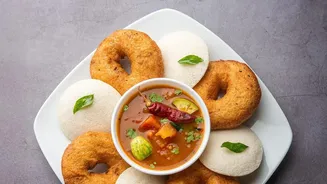
Every Sadhya begins with a serving of steaming hot Kerala Matta rice, a unique red parboiled rice that is the perfect vehicle for the feast to come. The first course to be ladled over it is Parippu, a comforting and mild curry made from small lentils (moong dal), tempered with coconut, cumin, and a generous dollop of ghee. This is quickly followed by Sambar, a far more complex and tangy stew. A well-made Sadhya Sambar is thicker than its everyday counterpart, loaded with a variety of vegetables like drumstick and pumpkin, and simmered in a flavourful tamarind and roasted coconut gravy.
The Vegetable Symphony: Avial and Thoran
No Sadhya is complete without Avial, a true icon of Keralan cuisine. This thick mixture of various vegetables like yam, plantain, and carrots is cooked in a fragrant and creamy coconut-yoghurt gravy. It's a testament to the harvest, combining the best of the season's produce into one harmonious dish. Complementing it is Thoran, a stir-fried dish of finely chopped vegetables, such as cabbage or beans, mixed with grated coconut, mustard seeds, and curry leaves. Its dry texture provides a wonderful contrast to the many gravies on the leaf.
The Supporting Stars: Kalan, Olan and Erissery
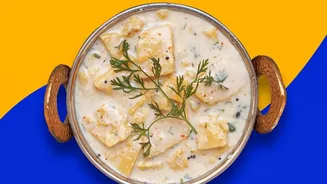
These three dishes showcase the versatility of coconut and local vegetables. Kalan is a thick, sour curry made with yoghurt and vegetables like raw banana or yam, with a distinct flavour from black pepper. Olan, on the other hand, is a very subtle and light stew, prepared with ash gourd or pumpkin, black-eyed peas, and a thin coconut milk base that soothes the palate. Erissery is a comforting, mildly spiced pumpkin and lentil curry, enriched with roasted coconut, offering a slightly sweet and nutty flavour that stands out.
The Flavour Bombs: Pachadi, Kichadi and Inji Puli
To cut through the richness, the Sadhya employs a range of tangy and flavourful condiments. Pachadi is a yogurt-based side that can be sweet and sour, often made with pineapple or beetroot. Kichadi is similar but tends to be savoury, usually featuring vegetables like okra or cucumber in a ground mustard and yogurt base. The undisputed champion of flavour, however, is Inji Puli (also called Puli Inji), a dark, sticky-sweet and sour chutney made from ginger, tamarind, green chillies, and jaggery. It's said that this single dish balances all the tastes of the meal.
The Textural Trio: Upperi, Sharkara Varatti and Pappadam
Texture is crucial to the Sadhya experience. Sprinkled on the leaf from the very beginning are the essentials. Upperi, or banana chips, provide a savoury crunch. They are joined by Sharkara Varatti, a sweeter version where chunks of raw banana are deep-fried and coated in a thick layer of jaggery and spiced with ginger. Finally, there is the large, crispy Pappadam, a deep-fried wafer made from lentil flour, perfect for crushing over the rice and curries for that satisfying sound and texture.
The Sweet Finale: Payasam
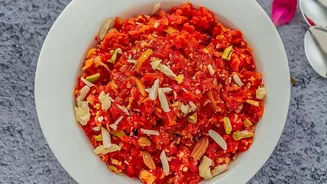
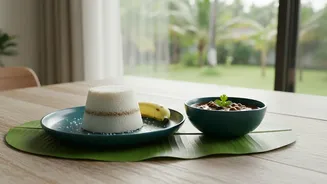
No Indian feast is complete without dessert, and the Sadhya usually features at least two or three types of Payasam. This sweet pudding is the grand finale. Popular varieties include Palada Pradhaman, made with delicate rice flakes (ada) simmered in milk and sugar, and Parippu Payasam, a richer, traditional version made with lentils, coconut milk, and jaggery. This sweet course is often served directly on the banana leaf, and many enjoy mixing it with a piece of banana for the perfect final bite.