



The Green Revolution: Why Monsoon is the New Peak Season
For years, the conventional wisdom was to visit Rajasthan in the cool, dry winter. The monsoon, from July to September, was considered the off-season. That has changed. Travel trends now show a clear shift, with travellers actively planning trips to experience
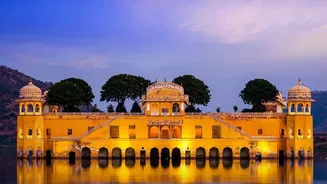
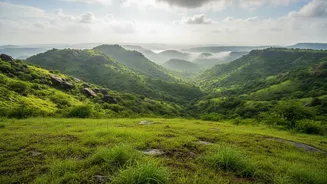
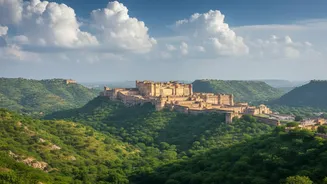
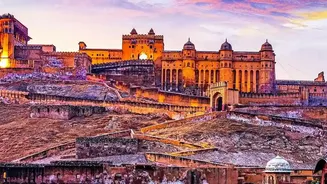
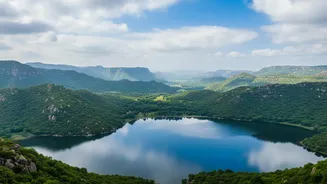
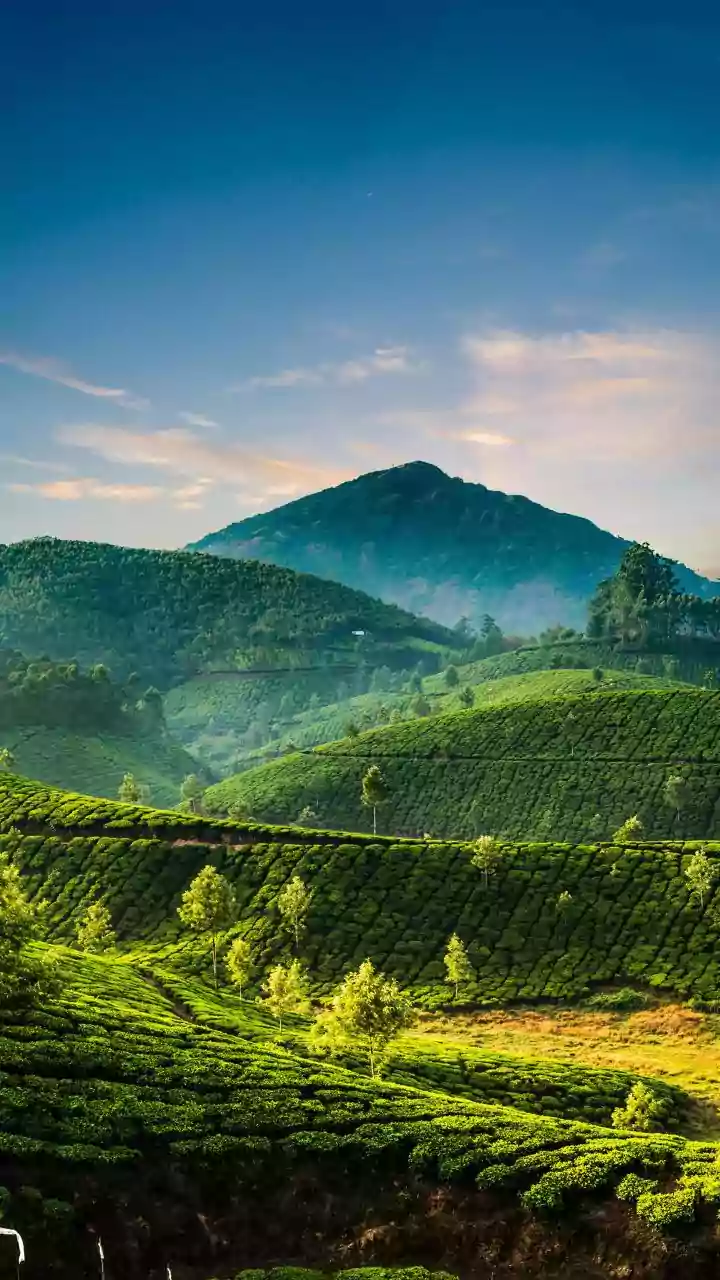
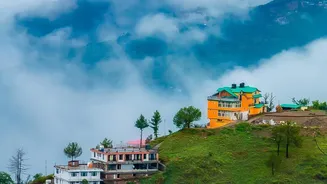
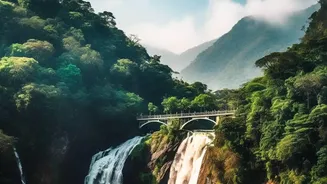
the state's monsoon makeover. The scorching heat of summer gives way to pleasant temperatures, and the arid landscape transforms into a lush, green paradise. The Aravalli hills become verdant, lakes like Pichola and Fateh Sagar in Udaipur fill to the brim, and ancient forts are dramatically shrouded in mist. This seasonal shift offers a completely different, and arguably more romantic, experience than the classic desert vistas, drawing in more visitors each year.
Booking Ahead: The End of Off-Season Prices?
One of the biggest impacts of this travel surge is on accommodation and transport. While monsoon trips once came with steep discounts and wide availability, that is no longer a guarantee. With the growing popularity, especially in sought-after destinations like Udaipur, Mount Abu, and Kumbhalgarh, booking in advance is essential. Heritage havelis and popular lake-view hotels get snapped up quickly. To avoid disappointment and secure reasonable rates, it's wise to book your flights, trains, and hotels several weeks, if not months, ahead. This is particularly true for weekend travel, when domestic tourism is at its highest.
Crafting a Rain-Ready Itinerary
The monsoon brings beauty, but also unpredictability. Heavy downpours can lead to localized flooding, traffic disruptions, and temporary road closures, especially in rural areas. While major highways are generally well-maintained, it’s crucial to build flexibility into your itinerary. Instead of a packed schedule, plan for slower, more immersive travel. Focus on one or two regions, like the lake-filled southern belt of Udaipur, Chittorgarh, and Bundi, rather than trying to cross the entire state. Always have a backup plan for indoor activities, such as exploring city palaces, museums, or local markets. Keep an eye on weather alerts from sources like the India Meteorological Department (IMD), which has issued warnings for heavy rainfall in the past.
Choosing Your Destination Wisely
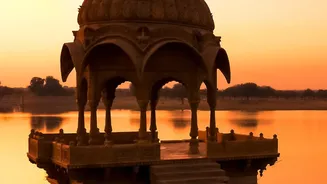
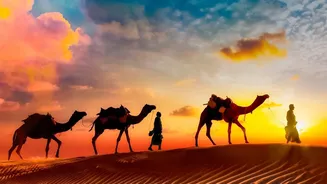
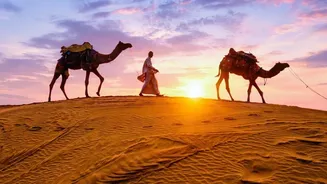
Not all of Rajasthan gets the same monsoon experience. The eastern and southern parts of the state receive the most rainfall, making them incredibly green and scenic. Udaipur, the 'City of Lakes', is the star of the season, along with Mount Abu, the state's only hill station. Lesser-known gems like Bundi, with its stunning stepwells and forts, and the Kumbhalgarh Fort area also come alive. In contrast, western desert cities like Jaisalmer and Bikaner receive much less rain. While this means you can still enjoy the desert landscape with cooler temperatures, you won't see the dramatic green transformation. For wildlife enthusiasts, note that some national parks like Ranthambore may be partially closed, while others like Sariska and Mount Abu Wildlife Sanctuary remain open.
Essential Packing and Safety Tips
Packing for a Rajasthan monsoon trip requires some thought. Lightweight, quick-drying clothes are a must due to the high humidity. Include a reliable waterproof jacket and an umbrella. Sturdy, non-slip footwear is essential for navigating wet, cobbled streets and forts. Don't forget insect repellent and a basic first-aid kit. When driving, be extra cautious on wet roads and be aware that road conditions can change quickly. It's advisable to stick to main roads and avoid driving after dark during heavy rain. To be safe, drink bottled or filtered water to avoid water-borne illnesses, which can be more common during this season.