


The Allure of the Seventies Style
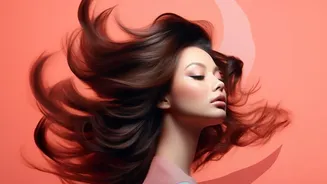
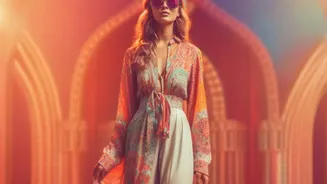
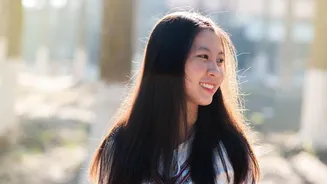
The 1970s represented a significant shift away from the structured, heavily sprayed styles of the previous decades. Hair became an expression of individuality and a more natural aesthetic took hold. Long hair, parted down the middle, was a hallmark of this
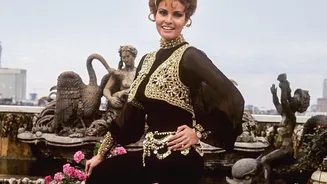
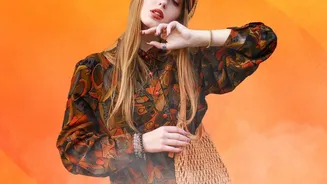
era, embodying a free-spirited, bohemian vibe. It was a simple yet dramatic look that complemented the flowing fashions and earthy tones of the decade. Icons like Cher, with her famously sleek, pin-straight hair, and Ali MacGraw, with a softer, more relaxed version, helped cement this style in the public imagination. The look's appeal lies in its versatility and its celebration of natural beauty, allowing long hair to be the main event without complex styling.
How to Create the Perfect Centre Part
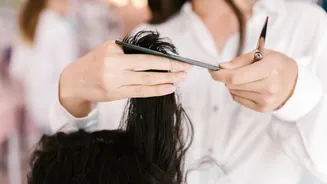
Achieving the signature centre part is the foundation of this entire look. While it seems simple, a sharp, clean line is crucial for an authentic '70s feel. Start with damp or dry hair. Using a fine-toothed comb, trace a line from the centre of your forehead straight back towards the crown of your head. For an ultra-precise part, you can use the handle of a rat-tail comb. To help train your hair to lie flat, apply a small amount of styling cream or a smoothing serum along the part. If your hair is resistant, you can use clips on either side of the part while your hair dries to help set it in place. The goal is a defined, intentional part that serves as the sleek starting point for the rest of your style.
Variation 1: The Sleek and Straight Look
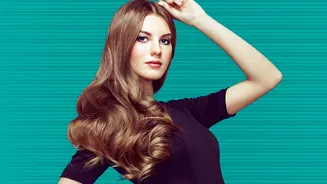
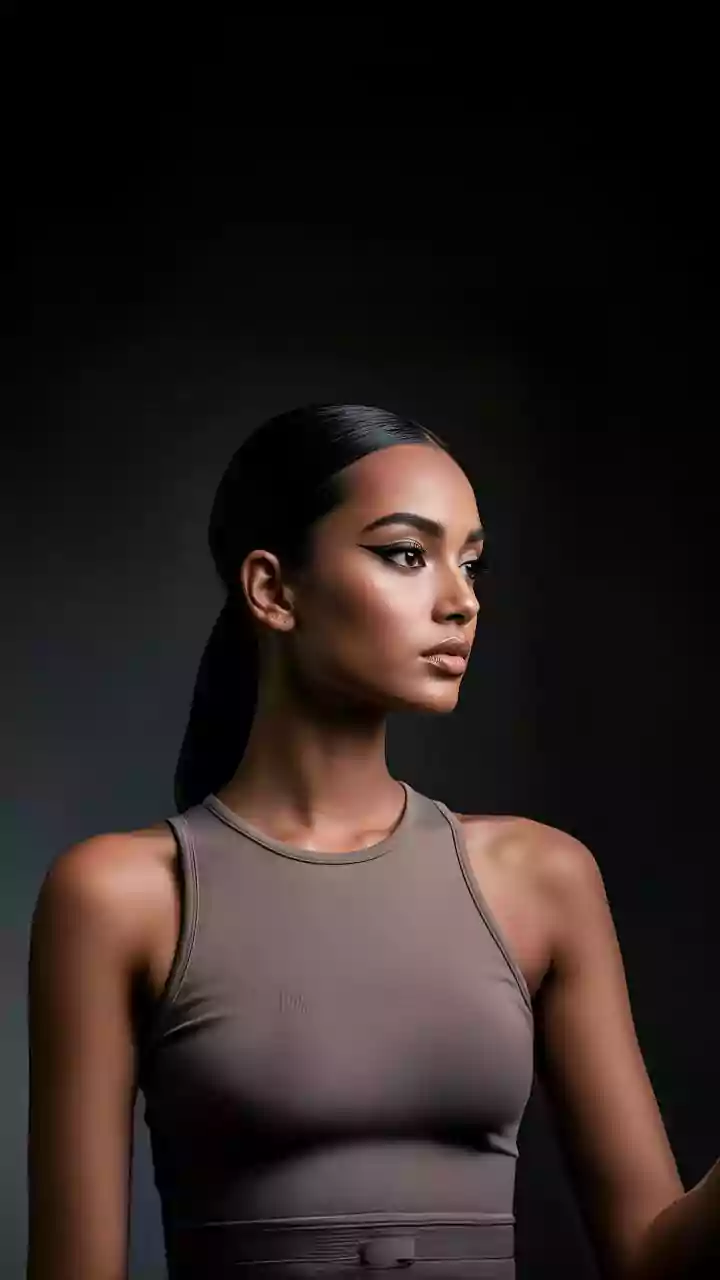
The 'Cher hair' is arguably the most recognizable version of this style. It’s all about a super-sleek, glossy, and pin-straight finish. To get this look, begin by applying a heat protectant and a smoothing serum to damp hair. Blow-dry your hair using a paddle brush, directing the airflow downwards to minimize frizz and encourage a straight finish. Once your hair is completely dry, section it and use a flat iron to straighten each piece from root to tip. For that signature 1970s gleam, finish with a light mist of shine spray or a touch of hair oil applied to the mid-lengths and ends. This variation is dramatic and polished, making a bold statement with its simplicity and length.
Variation 2: Soft Bohemian Waves
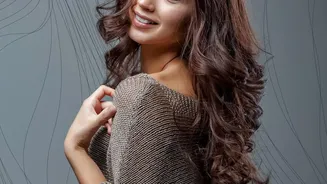
For a softer, more bohemian interpretation reminiscent of folk singers and 'flower child' style, gentle waves are the way to go. This look is less about perfection and more about creating a soft, lived-in texture. Start by applying a sea salt spray or texturizing mousse to damp hair to add grip and encourage a natural wave. You can let your hair air-dry for a truly effortless finish. Alternatively, use a large-barrel curling iron to create loose, undone waves, making sure to curl sections in different directions for a more natural effect. Another popular technique is to braid your damp hair into one or two loose plaits and let them dry completely before unraveling. Finish by gently running your fingers through the waves to break them up, creating a relaxed, free-flowing style that perfectly captures the era's carefree spirit.
Modernising the 70s Centre Part
Bringing this look into the 21st century is all about subtle updates. While the core elements remain, modern styling focuses on movement and a slightly less 'perfect' finish. Today’s version might incorporate soft, face-framing layers or curtain bangs to add dimension. Unlike the sometimes severe straightness of the '70s, a modern take often has a bit of bend at the ends, achieved with a blow-dryer and a round brush. The key is to avoid a look that feels like a costume. Instead, think of it as an inspiration point. Pair it with current fashion trends to keep it feeling fresh. Adding a few subtle, hippie-inspired braids or using modern texturizing products can also provide an updated twist on this timeless classic.