






Beyond Gear and Checklists
We often define outdoor safety by the equipment we carry: the right life jackets, helmets, and throw ropes. These are all critically important, but they are only one piece of the puzzle. A genuine safety culture is a mindset, not an inventory. It is the shared
understanding within a group that the ultimate goal of any trip is not just to run the river, but to return home safely to run it another day. This culture is tested not when things are going right, but when they start to go wrong. It’s measured by the group’s willingness to honestly assess a situation and make a difficult call, even if it means sacrificing the day’s planned adventure.
The Pressure to Proceed
The decision to cancel a trip should be simple, but human psychology makes it complex. Phenomenons like 'summit fever'—an obsession with reaching a goal no matter the cost—are just as prevalent on rivers as on mountains. This pressure is amplified by the sunk-cost fallacy: we've already driven for hours, taken time off work, and spent money on this trip. Turning back can feel like a failure. A 2021 study highlighted how accountability to the group can challenge rational thinking in extreme situations. No one wants to be the person who calls off the fun. This social pressure, combined with the personal desire to achieve the day's objective, creates a powerful momentum that can push a group toward a dangerous decision, even when the warning signs are clear.
Reading the River's Warnings
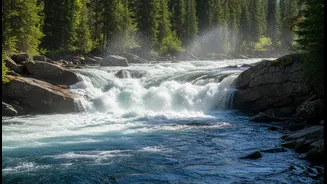
When we say “the river changes,” what does that actually look like? It can be a dramatic rise in water levels after heavy rain or rapid snowmelt, turning a familiar run into a torrent of powerful, unfamiliar currents. The water may become murky, hiding new hazards like submerged logs, rocks, or fences that were previously visible. Debris floating in the current is another major red flag. Experienced outfitters and paddlers know that these are not minor inconveniences; they are signals that the entire nature of the river has shifted. A river that was Class III yesterday might be a raging Class V today, demanding a completely different level of skill and respect. Ignoring these signs is a gamble against nature, and the house always has the edge.
The Role of 'No-Go' Leadership
In a strong safety culture, any member of the group should feel empowered to voice concerns without fear of being shamed or overruled. However, the responsibility often falls on the trip leader. A good leader isn’t the person who pushes the group to their limits; it’s the one who knows where those limits are and has the wisdom to stop before they are breached. True leadership is demonstrating that turning back is a mark of experience and good judgment, not weakness. This means having pre-trip conversations to establish clear 'no-go' conditions and empowering everyone to be a part of the decision-making process. The strongest paddler should often be positioned to sweep, ensuring no one is left behind, and the group's pace should be set by its least experienced member.
Cancellation as the Real Success
It's time to reframe what a successful trip looks like. Success is not merely navigating a set of rapids. Success is a day of adventure where sound judgment prevails and everyone returns safely, their passion for the sport intact. A trip that is cancelled due to unsafe conditions is not a failure; it is a victory for safety culture. It is proof that the group values its members' lives over a single day's objective. It is the discipline to live to paddle another day. As the documentary 'Meru' showed, even elite climbers will turn back just shy of a summit if conditions demand it, because the real goal is the return journey. That discipline is the hallmark of true expertise.