




The Pressure of the 'Perfect' Encounter
We've all seen them: incredible, up-close photos and videos of wildlife that seem to defy the barrier between human and animal. In an age of social media, the pressure to document our lives with stunning visuals can create unrealistic expectations for
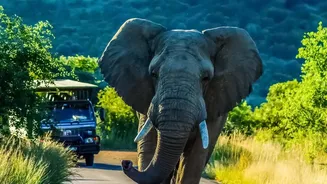
a wildlife safari or a nature trek. This desire for a 'perfect shot' can lead tourists to pressure guides, venture off designated paths, or engage in behaviours that prioritize a photo over the animal's well-being. Activities like elephant rides, holding exotic animals, or crowding a sighting are often marketed as once-in-a-lifetime opportunities. However, these interactions are strong indicators that animal welfare may be compromised. The quest for closeness, often driven by a desire for a shareable moment, risks turning a place of nature into a stage for our own entertainment.
The Unseen Cost of Getting Too Close
When we alter an animal's behaviour for our own experience, there are significant hidden costs. Feeding wild animals, for example, can make them sick, dependent on humans, and less able to forage for themselves. Loud noises and sudden movements from tourist vehicles or groups can cause immense stress, disrupting natural activities like hunting, resting, or caring for young. This disturbance can lead to animals abandoning their nests or territories. In some cases, repeated exposure to stressful encounters can even have long-term physiological impacts. When an animal becomes too habituated or stressed by human presence, it can also create dangerous situations, leading to aggressive behaviour in self-defence. Ultimately, interfering with wildlife, even with seemingly harmless intentions, breaks the very wildness we came to see.
Redefining the Ultimate Wildlife Experience
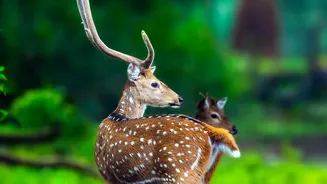
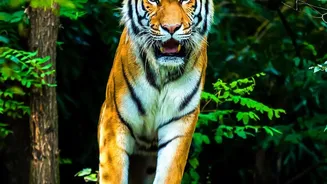
The most profound wildlife memory is rarely the selfie. Instead, it is the quiet, patient observation of an animal behaving naturally in its own environment. Imagine watching a tigress silently leading her cubs through the tall grass of Kanha National Park, seeing a herd of elephants dust bathing in the distance at Jim Corbett, or hearing the call of a leopard in Satpura. These are moments of pure, unfiltered nature. They are powerful not because of your proximity, but because of your irrelevance. In those moments, you are a privileged, invisible guest. This requires a shift in mindset: from a participant to an observer. The goal is no longer to get a reaction from the animal, but to witness its life unfolding. This approach doesn't diminish the experience; it deepens it, transforming it from a fleeting interaction into a lasting connection.
The Art of Responsible Observation
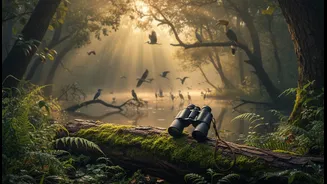
Becoming a responsible wildlife observer is both an art and a science. It begins with choosing reputable tour operators who prioritize conservation and follow strict ethical guidelines. In India's national parks, this means adhering to the rules set by the forest department, such as staying in the vehicle, maintaining silence, and never getting out unless in a designated area. Pack neutral-coloured clothing to blend in and, most importantly, bring a good pair of binoculars or a camera with a zoom lens. These tools are your best friends, allowing you to get a 'close-up' view without encroaching on the animal's space. Respect the decisions of your guide; if they say it's time to move on from a sighting, it is to give the animal space and reduce stress. Following these principles ensures your presence has the lowest possible impact.