


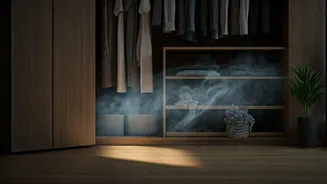


The Hidden Dangers of Dampness
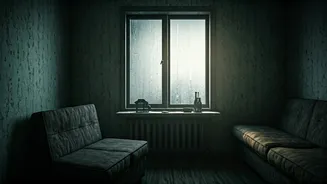
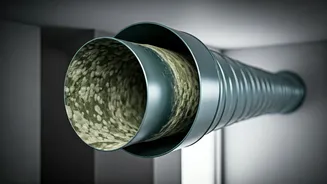
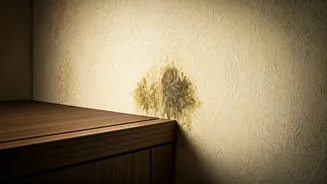
Excess moisture is far from harmless. It creates the perfect breeding ground for mould, mildew, and dust mites, which can trigger allergies and worsen respiratory conditions like asthma. Beyond health concerns, persistent dampness can cause significant
structural damage. It can lead to rotting wood, peeling paint, warped floors, and can even compromise your home's foundational integrity over time, leading to expensive and extensive repairs.
Your Checklist: Spot the Warning Signs
Being proactive starts with knowing what to look for. Regularly inspect your home for tell-tale signs of a moisture problem. Keep an eye out for dark, damp patches or stains on walls and ceilings, especially after rainfall. Other indicators include paint that is bubbling or peeling, a persistent musty odour in certain rooms or closets, and visible condensation on windows or pipes. In bathrooms and kitchens, discoloured grout can also signal a problem. Spotting these signs early is the first step to preventing long-term damage.
Action Step 1: Ventilate, Ventilate, Ventilate
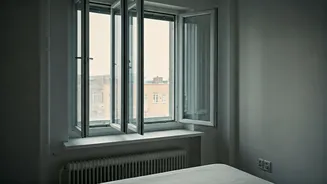
Proper ventilation is your number one defence against moisture buildup. Simple daily habits can make a huge difference. Always use exhaust fans in kitchens and bathrooms to vent moisture-laden air outside—not into the attic. Let the fan run for 15-20 minutes after you cook or shower to clear residual steam. When weather permits, open windows on opposite sides of the house to create cross-ventilation, which helps to circulate fresh air and push out damp, stale air. Even just opening closet doors and airing out bedding in the morning can improve airflow significantly.
Action Step 2: Control Humidity Hotspots
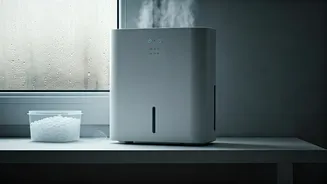
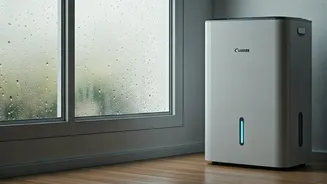
In humid climates, like during the Indian monsoon, ventilation alone may not be enough. This is where a dehumidifier becomes an essential appliance, particularly for basements, bedrooms, and other enclosed spaces. Aim to maintain an indoor humidity level between 30% and 50%. You can monitor this with an inexpensive device called a hygrometer. Simple, non-electric moisture absorbers containing silica gel can also be placed in wardrobes and small, enclosed areas to help keep clothes and stored items dry.
Action Step 3: Inspect for Leaks and Cracks
Moisture often enters from the outside. Make it a routine to check for and repair any sources of water intrusion. Inspect your roof for damaged tiles and check for cracks in your exterior walls, especially before the rainy season. Inside, look under sinks and around toilets and appliances for any signs of plumbing leaks. Even a slow, hidden leak can cause significant dampness over time. Ensure that the ground around your home slopes away from the foundation so that rainwater drains properly instead of seeping into your walls.
Action Step 4: Manage Everyday Moisture
Our daily activities contribute a surprising amount of moisture to our indoor air. When cooking, keep lids on pots to reduce steam. If you must dry clothes indoors, do so in a single room with a window open or an exhaust fan running to direct the moisture outside. Avoid overcrowding rooms with too much furniture pushed against the walls, as this can trap air and create damp spots. A little space allows air to circulate, keeping surfaces dry and preventing mould from getting a foothold.