





The Reign of the Saas-Bahu Saga
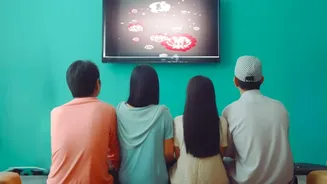
The early 2000s were dominated by a singular television genre: the 'saas-bahu' drama. Shows like 'Kyunki Saas Bhi Kabhi Bahu Thi' and 'Kahaani Ghar Ghar Kii' became national phenomena, defining primetime for an entire generation. The formula was potent
and repetitive: sprawling joint families in opulent mansions, a virtuous 'bahu' (daughter-in-law) navigating a minefield of domestic politics, and a villainous 'saas' (mother-in-law) orchestrating plots with dramatic zoom-ins for emphasis. These serials, designed for endless consumption, offered a nightly dose of conflict, glamour, and exaggerated emotion that kept millions hooked. The portrayal of family was monolithic, centred on kitchen politics and upholding traditional values, reflecting and often reinforcing a specific, conservative social outlook.
A Growing Disconnect
As the years wore on, the very formula that guaranteed success began to feel stale. A new generation of Indians, particularly the urban youth, found little to relate to in the weeping bahus and their unchanging predicaments. The storylines grew increasingly bizarre, with plastic surgeries, memory loss, and characters returning from the dead becoming common tropes to prolong the narrative. Audiences grew tired of the repetitive conflicts and one-dimensional characters. This creative fatigue created a vacuum; viewers were hungry for stories that mirrored their own lives, which were more about EMIs and career choices than about elaborate conspiracies within a 30-member household.
The Internet Changes the Channel
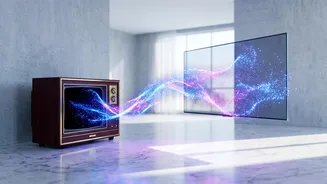
The true revolution arrived not on television, but through internet bandwidth. The proliferation of affordable smartphones and cheaper data plans, especially after 2015, fundamentally altered how Indians consumed content. The monopoly of the living room television was broken. Early digital players like The Viral Fever (TVF) tapped into this shift, creating short-form sketches and series that spoke directly to a young, tech-savvy audience. Suddenly, content was about flatmates, start-up struggles, and long-distance relationships—topics mainstream TV wouldn't touch. This new world was on-demand, personal, and refreshingly authentic, setting the stage for the rise of dedicated streaming platforms.
A New Portrait of the Indian Family
With the entry of streaming giants like Netflix, Amazon Prime Video, and Disney+ Hotstar, the 'web original' came into its own. These platforms, free from the constraints of traditional television's runtime and censorship, began producing high-quality, finite series with bolder themes. In this new landscape, the idea of the 'family show' was completely reimagined. Shows like 'Gullak', 'Panchayat', 'Yeh Meri Family', and 'Home Shanti' presented a new kind of family: smaller, middle-class, and grounded in everyday realities. The drama in these shows comes not from scheming relatives, but from relatable, slice-of-life situations—a squabble over an electricity bill, the pressure of exams, or navigating small-town bureaucracy.
Realism, Relatability, and Reach
The key difference between the old guard and the new is authenticity. Web originals feature nuanced characters who speak a mix of Hindi and English, just like their audience. They are shot in realistic locations, not just lavish sets. Most importantly, they are built on tight, well-crafted scripts that tell a complete story in a limited number of episodes, respecting the viewer's time. While the 'saas-bahu' serials presented a singular, often regressive view of family, web series offer a diverse spectrum—from the quirky Mishras in 'Gullak' to the heartwarming Guptas in 'Yeh Meri Family'. This shift has democratised storytelling, allowing for more varied and realistic portrayals of what it means to be a family in modern India.