



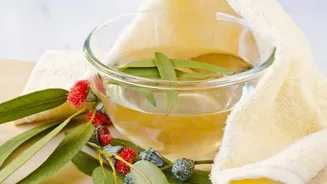

The Simple Power of Plain Steam
Before we get to the herbs, it's important to understand why steam inhalation is recommended in the first place. When you have a cold or sinus infection, the membranes in your nasal passages become inflamed and produce thick mucus, leading to that familiar
blocked-up feeling. Inhaling warm, moist air is a direct way to deliver hydration to these passages. The warmth helps to soothe irritated tissues, while the moisture helps to thin and loosen stubborn mucus, making it easier to clear. This process can effectively reduce sinus pressure and help you breathe more comfortably. It’s a simple, drug-free method that provides temporary relief and comfort while your body fights off the infection. For many, plain steam is effective enough on its own.
The Allure of the Herbal Boost
In India and many other parts of the world, it's common practice to add herbs or essential oils to the steaming water. Popular choices include eucalyptus, peppermint, and traditional kitchen staples like ajwain (carom seeds). The thinking is that these botanicals, known for their strong, clearing aromas and traditional medicinal properties, can enhance the steam's effectiveness. Eucalyptus and peppermint contain compounds like eucalyptol and menthol, which create a powerful cooling sensation that can make you feel as though you're breathing more freely. Ajwain has been used in Ayurvedic practices for generations to help relieve congestion and coughs, thanks to its active compound, thymol. The addition of these fragrant herbs transforms a simple steam session into a more potent aromatic experience, promising faster and better relief.
Sensation vs. Science
While adding herbs can certainly make it 'feel' like your sinuses are clearing, the scientific evidence for this added benefit is mixed. Some studies have found that steam inhalation itself isn't a guaranteed fix for chronic sinus issues. The strong scent of menthol or eucalyptus may trigger a sensation of cold in the nose, tricking your brain into thinking your airways are more open, even if airflow hasn't actually changed. While some compounds in these herbs have anti-inflammatory or mucus-thinning properties, it’s unclear how effectively these are delivered via steam. In many cases, the primary relief still comes from the warm moisture of the steam itself, not necessarily the added ingredients.
The Hidden Risk: When Herbs Irritate
Here’s the crucial part of the headline: herbal additions can irritate some people. Essential oils are highly concentrated plant compounds. When vaporised, these potent substances are inhaled directly into the delicate lining of your nasal passages, throat, and even lungs. For many, this can be harmless, but for others, it can cause significant irritation. Instead of soothing inflammation, the oils might actually worsen it, trigger an allergic reaction, or cause bronchospasm (a sudden constriction of the airways). Eucalyptus oil, for instance, has been linked to respiratory distress and, in rare cases, even seizures when inhaled. Peppermint oil can also cause irritation, and its use is not recommended for young children as it may negatively affect their breathing. The compounds that give these herbs their powerful scent are the very things that can be too harsh for sensitive systems.
Who Should Be Extra Cautious?
The risk of irritation is not the same for everyone. Individuals with pre-existing respiratory conditions like asthma or COPD should be particularly careful, as inhaled irritants can trigger severe symptoms. People with known allergies, especially to plants, may also have a reaction. Children and infants are especially vulnerable. Their respiratory systems are still developing, and they are more susceptible to the potent effects of essential oils. It's widely recommended not to use essential oil steam inhalation for young children and to keep the oils away from their faces to prevent accidental inhalation or skin burns. If you have sensitive skin, be aware that the oils in the steam can also cause a rash or irritation.
How to Steam Safely and Effectively
If you want to try steam inhalation, safety should be your top priority. The biggest risk is burns from hot water. Use a large, stable bowl on a flat surface. Pour in hot, not boiling, water and let it cool for a minute or two. Lean over the bowl, keeping your face at a safe distance of about 8-12 inches, and drape a towel over your head to trap the steam. Close your eyes and breathe in through your nose for 5-10 minutes. It is best to start with plain steam. If you choose to add herbs or essential oils, use a very small amount—just one or two drops of oil is plenty. If you feel any discomfort, dizziness, or increased irritation, stop immediately.