



The Universe Within Your Gut
Before we dive into the power of wild greens, let's talk about the gut microbiome. Think of it as a bustling city of trillions of microorganisms, including bacteria, viruses, and fungi, living in your digestive tract. This internal ecosystem is crucial
for your overall health. It helps digest food, produces essential vitamins, regulates your immune system, and even influences your mood. A healthy gut isn't just about having 'good' bacteria; it's about having a wide variety of them. This diversity makes the ecosystem more resilient and better equipped to perform its many jobs. Unfortunately, modern lifestyles and diets low in variety can reduce this diversity, making us more susceptible to health issues.
Lessons from Traditional Indian Diets
Recent scientific studies are increasingly looking towards traditional diets for clues on maintaining gut health. Research across India shows that what people eat has a profound impact on their gut bacteria. A pan-India study highlighted that diets rich in plant-based fibers, common in many traditional Indian meals, are associated with a higher prevalence of beneficial bacteria like Prevotella. These microbes are experts at breaking down complex carbohydrates from plants. Studies on various tribal populations across India have consistently found that their gut microbiomes are uniquely diverse and distinct from those in industrialised nations. This diversity is strongly linked to their traditional diets, which often include a wide range of foraged and locally grown foods.
The Wild Greens of Central India
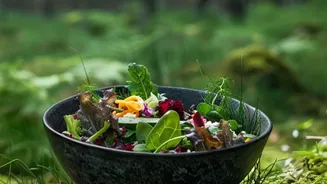
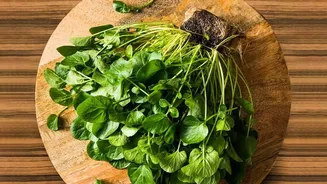
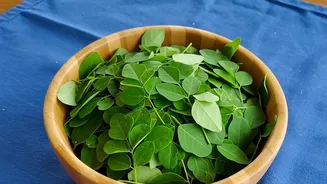
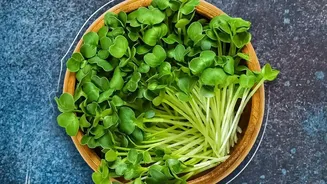
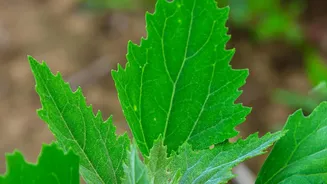
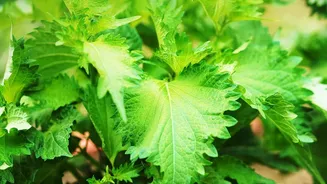
Central India is home to numerous indigenous communities, such as the Gond and Baiga, who have a deep knowledge of the edible plants in their environment. Their diets often feature a remarkable variety of wild greens, fruits, flowers, and tubers that are foraged from the forest. A study in the Achanakmaar-Amarkantak Biosphere Reserve in Central India documented 172 different wild edible plants used by local communities, including 60 types of leafy vegetables. These are not just sources of food but also of vital nutrients. While they may not provide a lot of calories, these wild edibles are packed with micronutrients like vitamins and minerals, and most importantly, dietary fiber.
Fiber: The Microbiome's Superfood
This brings us to the hero of our story: natural plant fiber. Fiber is the part of plant foods that our bodies cannot digest on their own. Instead, it travels to the large intestine, where it becomes the primary food source for our gut bacteria. When gut microbes feast on fiber, they ferment it and produce beneficial compounds called short-chain fatty acids (SCFAs). These SCFAs are metabolic powerhouses. They provide energy for the cells lining our colon, strengthen the gut barrier, reduce inflammation, and help regulate our immune system. A diet rich in different types of fiber from a wide variety of plants—like the wild greens found in Central India—feeds a wider range of bacteria, which is the key to promoting a diverse and robust microbiome.
What We Can Learn
The traditional diets of Central India’s indigenous peoples offer a powerful lesson for modern wellness. In a world of processed foods, the practice of eating a wide variety of natural, fiber-rich plants holds the key to a healthier gut. The focus is on dietary diversity—consuming many different types of plants provides a broad spectrum of fibers and nutrients that support a flourishing internal ecosystem. While we may not all have access to foraged wild greens, we can still apply this wisdom by incorporating a wider array of vegetables, fruits, whole grains, and legumes into our daily meals. The research is clear: the path to a healthier gut microbiome is paved with the diverse, fiber-rich foods that have sustained communities for generations.