





The Familiar Summer Squeeze
For decades, the script for an Indian summer vacation has been predictable. As temperatures soar in the plains, a mass exodus heads for the hills. Names like Shimla, Manali, Mussoorie, and Nainital have become synonymous with summer relief. This year,
however, that relief came with a heavy dose of reality. Social media feeds and news reports were flooded with images of serpentine traffic jams stretching for kilometres, packed Mall Roads where walking was a struggle, and hotels booked to capacity with surging prices. The very peace travellers sought was suffocated by the sheer volume of people seeking it. This seasonal overcrowding has become a recurring issue, leading to strained resources, environmental stress, and a diluted, often frustrating, tourist experience.
The Rise of a Serene Alternative
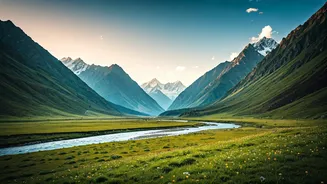
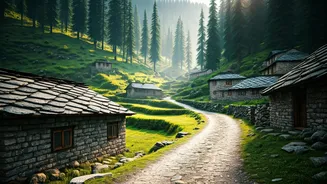
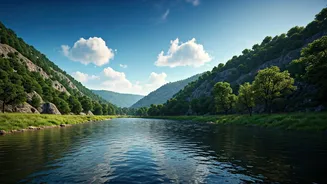
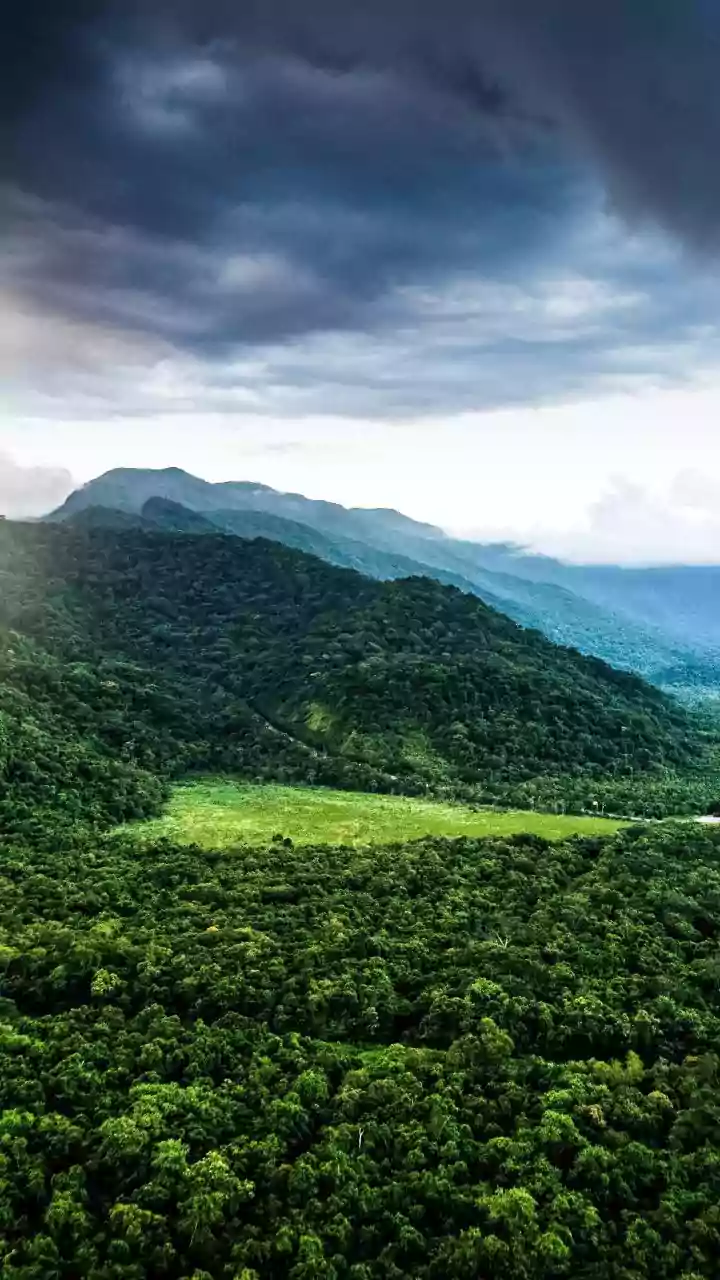
In this landscape of commercialised chaos, a different kind of destination is capturing the imagination of the discerning traveller: Jibhi Valley. Tucked away in the Banjar Valley of Himachal Pradesh, Jibhi is part of the Great Himalayan National Park ecosystem. It isn't a bustling town with a central market square but rather a collection of scattered villages nestled along the Tirthan River. For years, it was a secret whispered among trekkers and backpackers. But this season, it has emerged as a powerful counter-narrative. It ‘outperforms’ the traditional giants not in footfall, but in the quality of the experience it offers—tranquillity, authenticity, and a genuine connection with nature.
What Jibhi Offers: Nature Over Noise
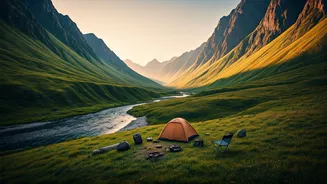
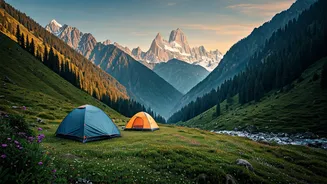
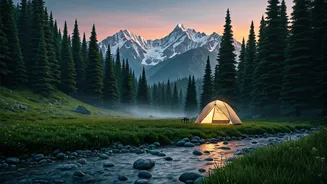
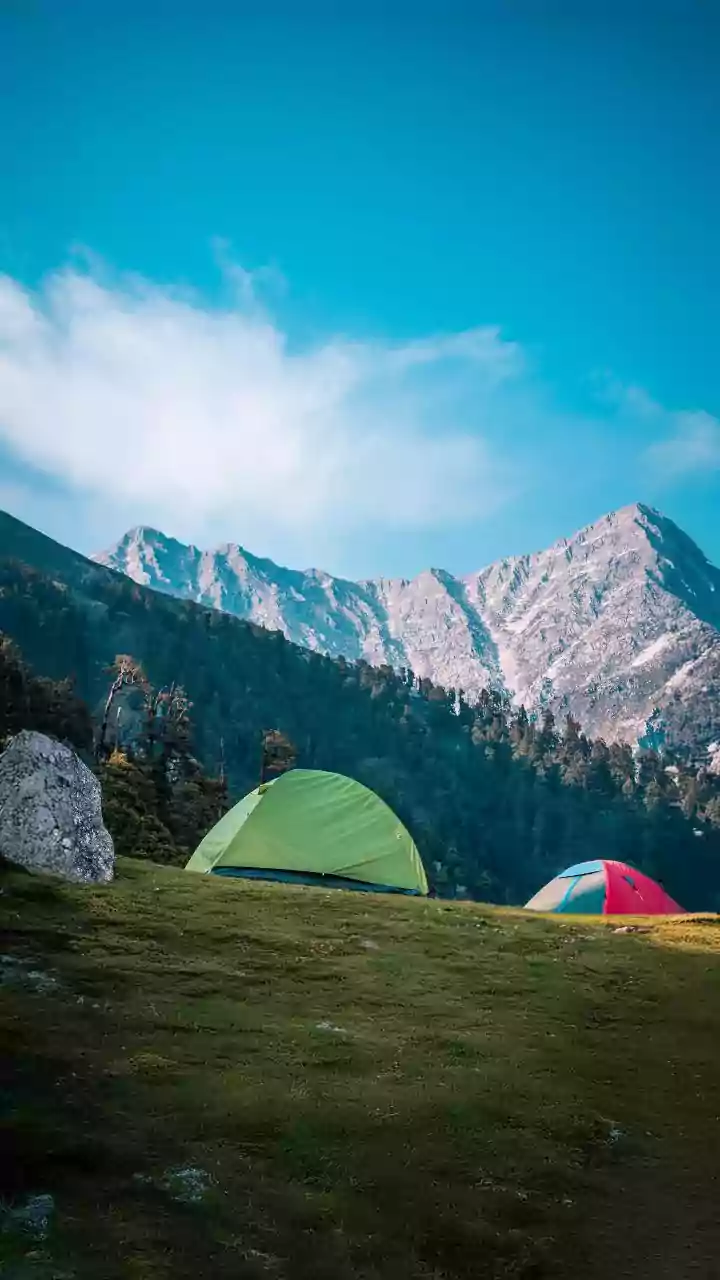
The appeal of Jibhi lies in what it lacks. There is no sprawling Mall Road lined with brand-name showrooms. There are no massive multi-storey hotels dominating the skyline. Instead, life in Jibhi revolves around simple, profound pleasures. Mornings can be spent trekking to the breathtaking Serolsar Lake or the historic Chehni Kothi, a towering example of traditional Kath Kuni architecture. Afternoons are for lazy walks along the river, trying your hand at trout fishing, or simply reading a book by a gurgling stream. Evenings are quiet, punctuated by the sounds of the forest, not blaring music from tourist hubs. The main attractions are the waterfalls, the dense pine and deodar forests, and the warmth of the local community.
Homestays Over Hotels: The Personal Touch
A key differentiator is Jibhi’s accommodation model. The valley is dominated by charming homestays and small, eco-conscious guesthouses, often run by local families. Instead of the anonymous efficiency of a large hotel, staying in Jibhi offers a personal, immersive experience. Hosts often double as guides, cooks, and storytellers, sharing insights into the local culture and cuisine. Guests eat home-cooked meals, learn about the region’s customs, and leave with a sense of having connected with a place, not just visited it. This homestay culture fosters a more sustainable form of tourism, where the economic benefits flow directly into the local community, creating a sense of shared ownership in preserving the valley's charm.
Is Jibhi For Everyone?
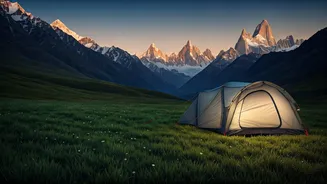
While the allure is strong, it's important to set expectations. Jibhi is not for the traveller seeking luxury resorts, vibrant nightlife, or extensive shopping options. The infrastructure is developing, roads can be narrow, and mobile connectivity can be patchy. It is a destination for those who are willing to trade convenience for quiet, and commercial entertainment for natural beauty. It’s for the visitor who finds joy in a challenging hike, a conversation with a local artisan, or the simple act of watching the clouds drift over the mountains. It rewards patience and an adventurous spirit, and might feel slow-paced to those accustomed to the constant stimulation of a commercial hill station.