







The Philosophy of a Shravan Plate
The essence of food during Shravan is 'sattvik' – pure, simple, and calming for the body and mind. This ancient practice aligns with the season. The monsoon is when Ayurveda suggests our digestive fire can be weaker, so a lighter diet is recommended.
This typically means avoiding non-vegetarian items, onions, garlic, regular grains like wheat and rice, and certain spices. Instead, the focus shifts to fruits, dairy, and a special pantry of fasting-friendly ingredients, prepared with sendha namak (rock salt).
Vibrant Vegetables of the Monsoon
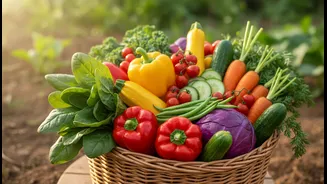
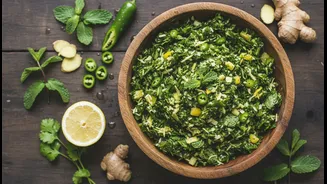
Your vegetable curries are where the thali gets most of its colour. The monsoon offers a bounty of vegetables perfect for a sattvik diet. Bright orange pumpkin (kaddu) can be made into a sweet and tangy sabzi. Bottle gourd (lauki), known for being hydrating and easy to digest, makes a subtle, light green curry. Earthy sweet potatoes (ratalu) add a deep orange hue and can be pan-fried into golden-brown 'kaap' or used in tikkis. Other excellent choices include arbi (colocasia) and raw banana, which can be used to make flavourful curries and kebabs.
The Foundation: Fasting Flours and Grains
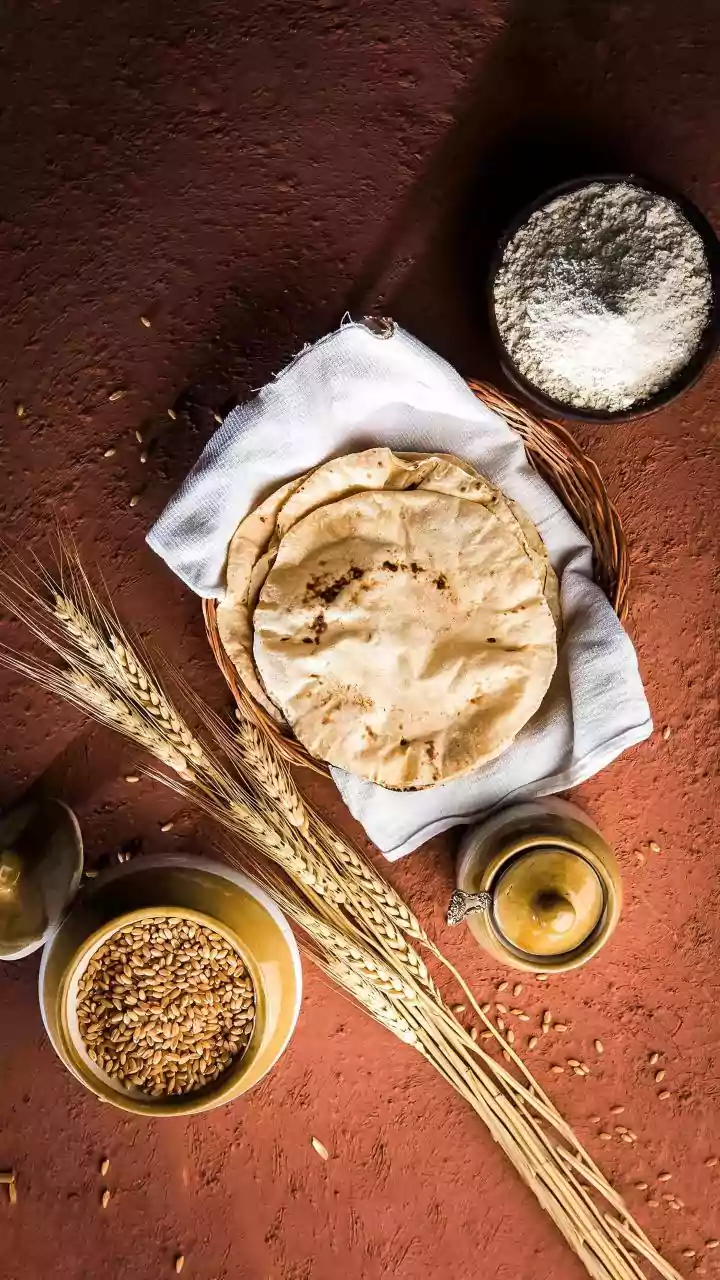
Instead of regular wheat, Shravan meals use alternative flours that provide energy and texture. Rajgira (amaranth) flour, with its earthy red-brown colour, is perfect for making soft puris or sheera. Kuttu (buckwheat) flour, which is dark and nutty, can be used for crisp puris or savoury cheelas (pancakes). For a rice substitute, samak rice (barnyard millet) is a fantastic option. It cooks up into a fluffy, white grain perfect for a simple pulao tossed with cumin and peanuts, or as a base for a creamy kheer.
The Comfort Corner: Sabudana and Potatoes
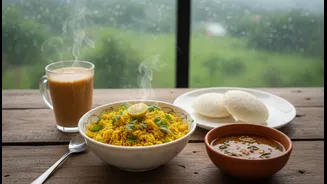
No Shravan plate feels complete without the pearly white comfort of sabudana (tapioca pearls). A classic sabudana khichdi, studded with roasted peanuts and tender potatoes, is a must-have for its delightful texture and energy-boosting properties. Potatoes are a fasting staple, and a simple 'vrat ke aloo' tempered with cumin seeds, green chillies, and fresh coriander provides a savoury, comforting element that pairs beautifully with puris. These dishes form the hearty, satisfying core of the thali.
Cooling Accompaniments: Raitas and Salads
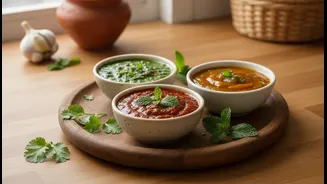
To balance the flavours and textures, a cooling element is essential. A simple bowl of plain dahi (curd) is always welcome. For more colour, prepare a kakdi raita by mixing grated cucumber into yoghurt, seasoned with roasted cumin powder and rock salt. For a pop of vibrant red, a pomegranate raita works wonders. A fresh salad, like a cucumber and peanut koshimbir, adds a refreshing crunch and a zesty flavour from lemon juice, making the meal feel lighter and more balanced.
A Sweet and Fresh Finish
A Shravan meal traditionally ends with something sweet. Seasonal fruits are the simplest and healthiest option. Slices of pear, apple, or banana add natural sweetness and freshness. For a more traditional dessert, a creamy makhana (fox nut) kheer, simmered in milk and sweetened with jaggery or sugar, provides a luxurious end to the meal. Another excellent choice is a lauki ki kheer or a simple barfi made from coconut and khoya.
Plating Your Masterpiece
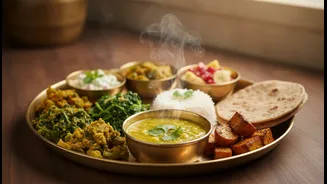
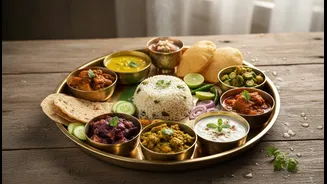
To create a visually stunning plate, arrangement is key. Start with a large thali. Place a small bowl of dahi or raita in the center. Arrange the puris or rotis on one side. In separate sections or small katoris, place your colourful vegetable dishes—the orange of the pumpkin, the green of the lauki. Add a scoop of the white sabudana khichdi and the golden-brown potatoes. Garnish everything with fresh, bright green coriander. The goal is a plate that looks as abundant and joyful as it tastes.