



Why Go Low-Impact?
Low-impact exercise is any movement that doesn't put a lot of strain or jarring force on your joints. Think of swimming or cycling, where your body is supported, versus high-impact activities like running or jumping. The primary benefit is reducing stress
on sensitive areas like your knees, hips, and ankles. This approach allows you to build cardiovascular fitness and muscle strength without aggravating existing discomfort or causing new injuries. Regular, gentle movement also helps lubricate your joints, which can reduce stiffness and improve your range of motion over time.
Cardio That Cares for Your Joints
Cardiovascular exercise is crucial for heart health, and many low-impact options get your heart rate up effectively. Walking is one of the most accessible choices; start with 10-15 minutes on a flat surface and gradually increase your time and pace. Water-based activities like swimming or water aerobics are ideal because the water’s buoyancy supports your body weight, removing almost all impact. Stationary cycling and using an elliptical machine are other excellent options that provide a great workout while protecting your joints from repetitive pounding.
Building Strength Without Strain
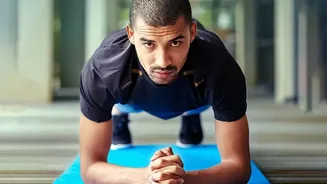
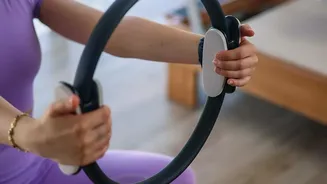
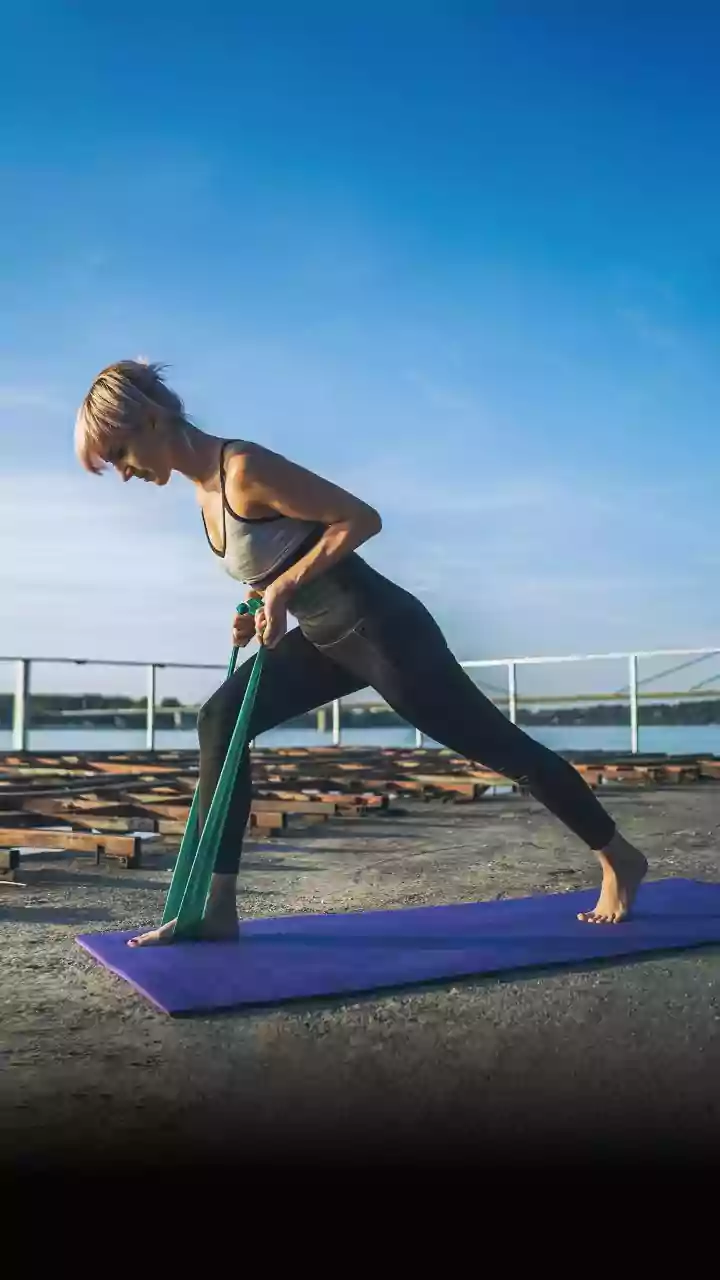
Strengthening the muscles around your joints is one of the best ways to support and protect them. Stronger muscles act as a natural brace, absorbing shock and reducing the load on the joint itself. You don't need heavy weights to see benefits. Start with bodyweight exercises that focus on control, such as glute bridges, which strengthen your hips and hamstrings with minimal knee pressure. Wall sits are a great way to build quadriceps endurance without bending the knee under load. Using resistance bands for exercises like clamshells or lateral walks can also effectively target key hip-stabilizing muscles.
The Importance of Flexibility and Balance
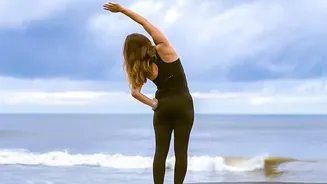
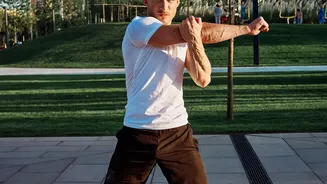
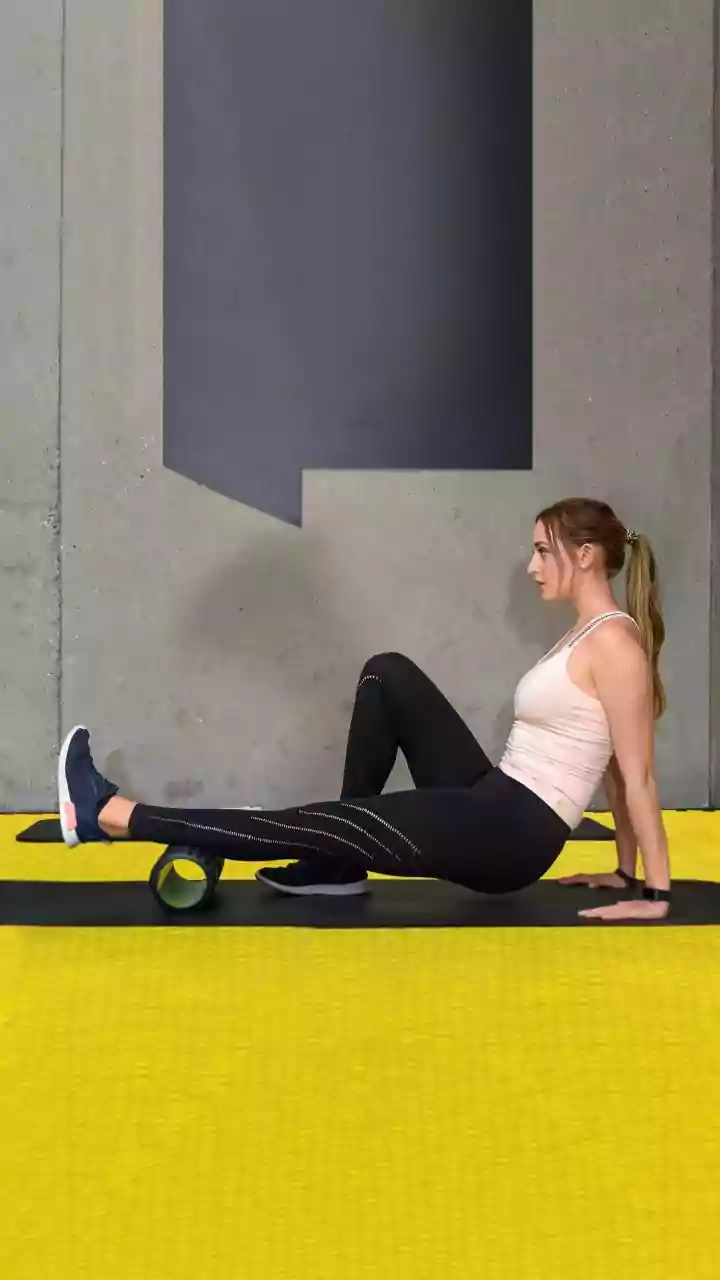
A complete fitness routine includes more than just cardio and strength. Flexibility and balance are essential for joint health, helping to prevent stiffness and reduce the risk of falls. Gentle practices like yoga and tai chi are highly recommended because they improve range of motion, balance, and muscle control through slow, deliberate movements. Incorporating a daily stretching routine can help decompress joints and keep the surrounding muscles adaptable. Even simple exercises, like standing on one foot while holding onto a stable surface, can significantly improve your balance over time.
How to Get Started Safely
The key to starting a new exercise program is to begin slowly and listen to your body. Always warm up for 5–10 minutes with gentle movements like arm circles and leg swings to prepare your muscles and joints. Start with shorter workout durations, perhaps just 10–15 minutes a day, and gradually increase as you feel stronger. Some muscle soreness is normal when you're starting out, but sharp or increasing pain is a signal to stop and rest. If you have a pre–existing condition like arthritis or a past injury, it's always wise to talk with your doctor or a physical therapist before beginning.