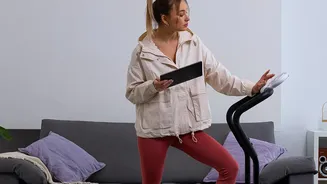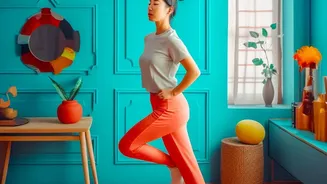

The Foundational Squat
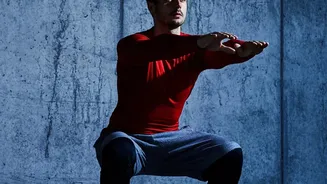
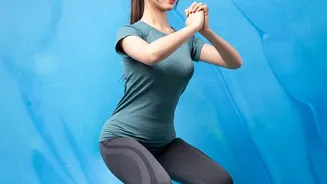
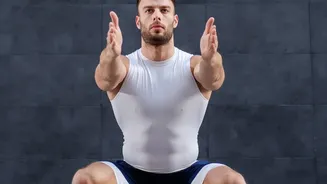
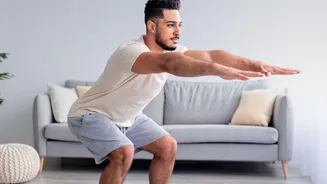
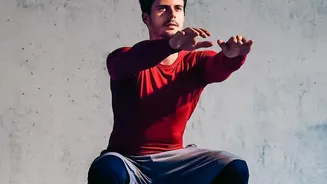
The bodyweight squat is a powerhouse movement for a reason. It targets the largest muscles in your body—your glutes, quadriceps, and hamstrings—while also engaging your core for stability. To perform it correctly, stand with your feet slightly wider than
shoulder-width apart, with your toes pointing slightly outward. Keeping your chest up and back straight, lower your hips as if sitting in a chair, until your thighs are parallel to the floor, or as low as you can comfortably go. Drive through your heels to return to the starting position. This single movement improves lower body strength and mimics everyday actions, making it a cornerstone of functional fitness.
The Classic Push-Up
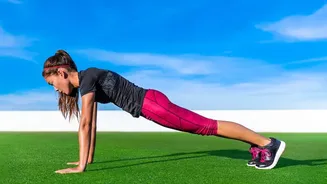
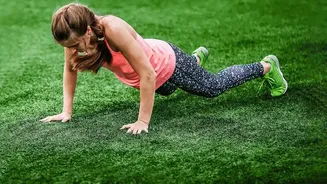
The push-up is the undisputed king of upper-body bodyweight exercises, strengthening your chest, shoulders, triceps, and core simultaneously. Start in a high plank position with your hands slightly wider than your shoulders and your body in a straight line from head to heels. Lower your body until your chest is just above the floor, then press back up. If this is too challenging, begin with incline push-ups against a wall or sturdy table, or perform them with your knees on the floor. As you get stronger, you can progress to more difficult variations, but the fundamental movement remains one of the most efficient ways to build upper body strength anywhere.
The Stabilising Plank
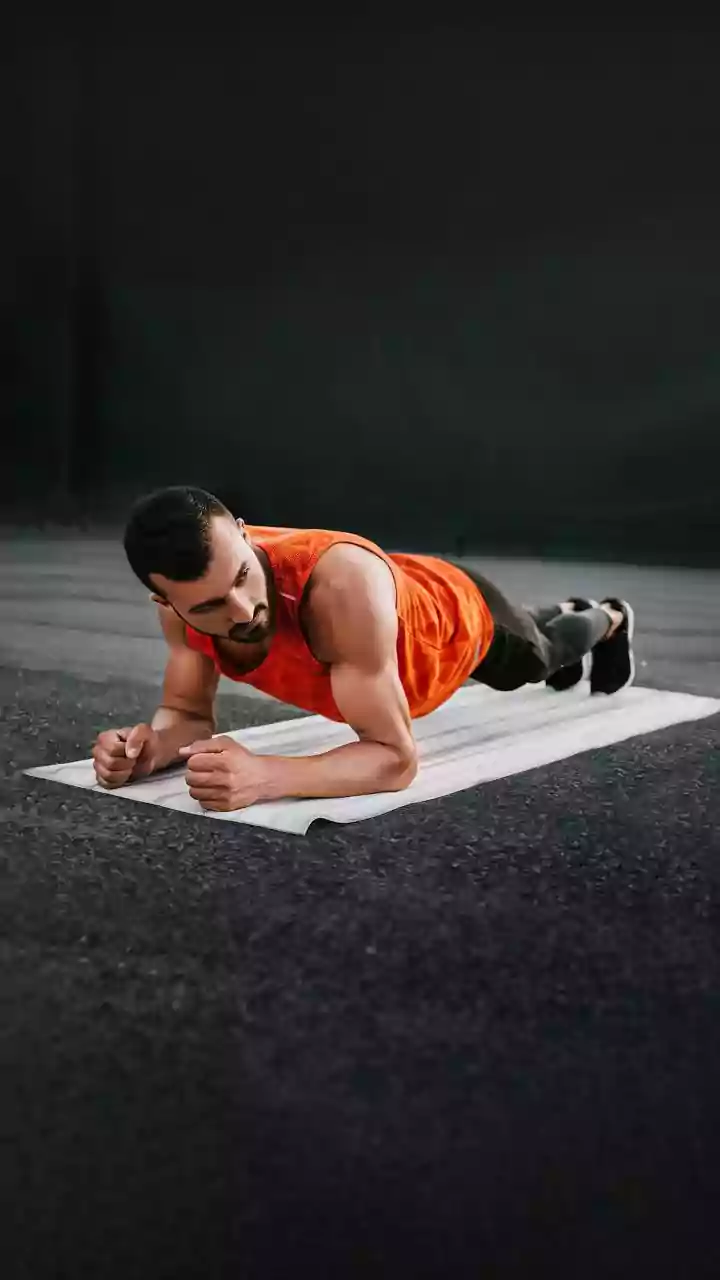
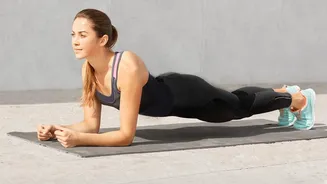
While it may look simple, the plank is a formidable exercise for building core stability and endurance. It engages the muscles of your abdomen, lower back, and even your shoulders and glutes. To perform a forearm plank, place your forearms on the floor with your elbows directly under your shoulders and your hands clasped. Extend your legs back, resting on your toes, and hold your body in a straight, rigid line. Avoid letting your hips sag or rise too high. The goal is to hold this position with perfect form. It's a quiet, static hold that builds immense internal strength without requiring any movement at all.
The Unilateral Lunge
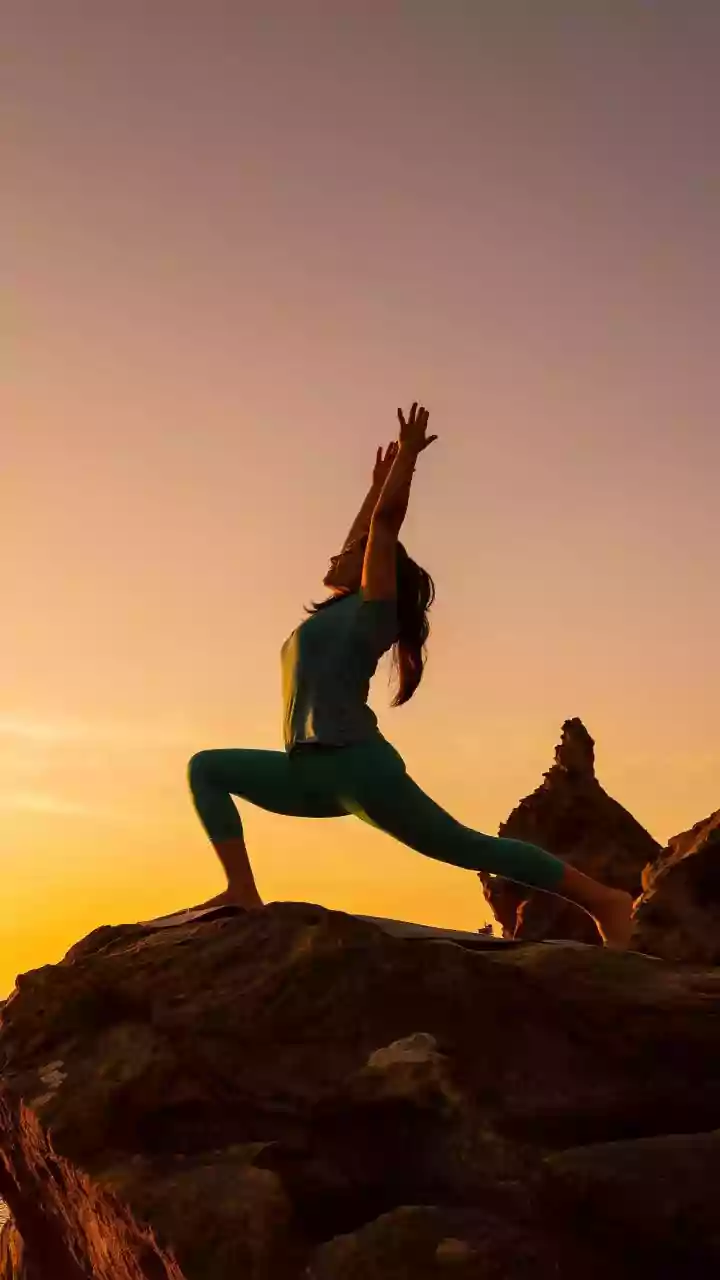
Lunges are excellent for training one leg at a time, which helps to identify and correct strength imbalances between your left and right sides. A reverse lunge, which is often safer for beginners, involves stepping one foot straight back and lowering both knees to 90-degree angles. Your front knee should stay behind your toes, and your back knee should hover just above the floor. Push off your back foot to return to standing. This exercise targets the quads and glutes while also improving your balance and coordination. For an added challenge, you can perform walking lunges if you have a bit more space, like a hallway.
The Mighty Glute Bridge
Often overlooked, the glute bridge is a simple yet powerful exercise for activating and strengthening your glutes and hamstrings, which can become weak from prolonged sitting. Lie on your back with your knees bent, feet flat on the floor about hip-width apart, and your arms by your sides. Squeeze your glutes and lift your hips off the floor until your body forms a straight line from your shoulders to your knees. Pause at the top before slowly lowering back down. This is a quiet, floor-based movement that's perfect for apartments and provides significant benefits for posterior chain strength and lower back health.
The Cardio Burst: Quiet Burpees
You don't need to jump around to get your heart rate up. The 'walk-out' or 'no-jump' burpee provides a fantastic cardiovascular challenge without the noise and impact. From a standing position, squat down and place your hands on the floor. Walk your feet back into a plank position, perform a push-up (optional), then walk your feet back toward your hands and stand up. To increase the intensity, perform the movement faster. This full-body exercise builds endurance and burns calories effectively, proving that high-intensity training can be neighbour-friendly.