
The Great Indian Storage Trap
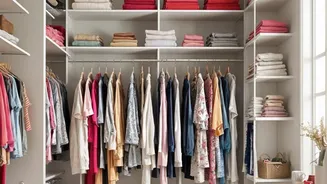
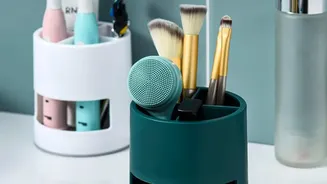
In many Indian households, possessions accumulate with purpose and sentiment. From festival decorations and extra bedding for guests to family heirlooms and bargain finds, our homes become archives of our lives. The result? We become experts at organising,
buying intricate storage boxes, and packing things away. But there’s a crucial difference between organising possessions and creating usable space. Organising is about efficiently managing clutter; creating usable space is about reclaiming your home for living. This often means parting with things, not just finding a new box for them. Physical clutter can also become mental clutter, increasing stress and making it difficult to focus in a space that is supposed to be a sanctuary.
Furniture That Works Harder Than You Do
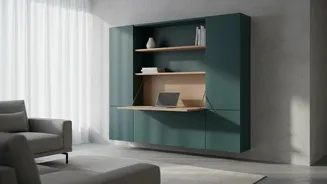
In a small home, every piece of furniture must justify its existence. Single-purpose items are a luxury that compact spaces cannot afford. The key is multi-functionality. A sofa-cum-bed is a classic example, transforming a living room into a guest room in seconds. But modern design offers much more. Consider a slim console table that serves as a work-from-home desk during the day and an entryway table in the evening. Nesting tables can be spread out when you have company and stacked away to reclaim floor space. Ottomans and benches with hidden storage provide extra seating while secretly holding blankets, remotes, or children’s toys. Even beds with hydraulic storage can replace the need for an extra cupboard, freeing up valuable floor area for movement.
Create Zones, Not Walls
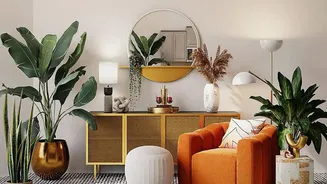
An open-plan layout in a small apartment can feel chaotic without clear boundaries. The solution isn't to build walls, but to create visual 'zones' for different activities. This is the practice of carving out specific areas for sleeping, working, and relaxing, even within a single room. You can use a large rug to anchor the living area, visually separating it from the dining space. An open bookshelf can act as a permeable divider, creating a sense of separation without blocking light or making the space feel cramped. Even a strategically placed curtain can create a cosy, enclosed sleeping nook in a studio apartment. This psychological separation helps your brain switch off from 'work mode' when you move to the 'relax zone', making your home more peaceful.
Go Vertical and Let It Breathe
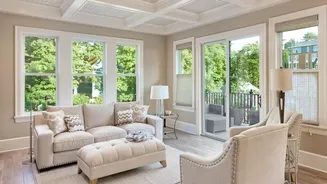
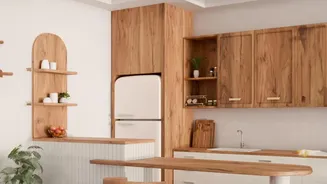
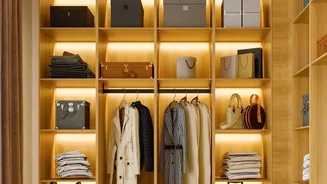
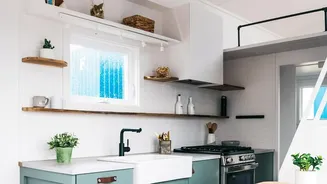
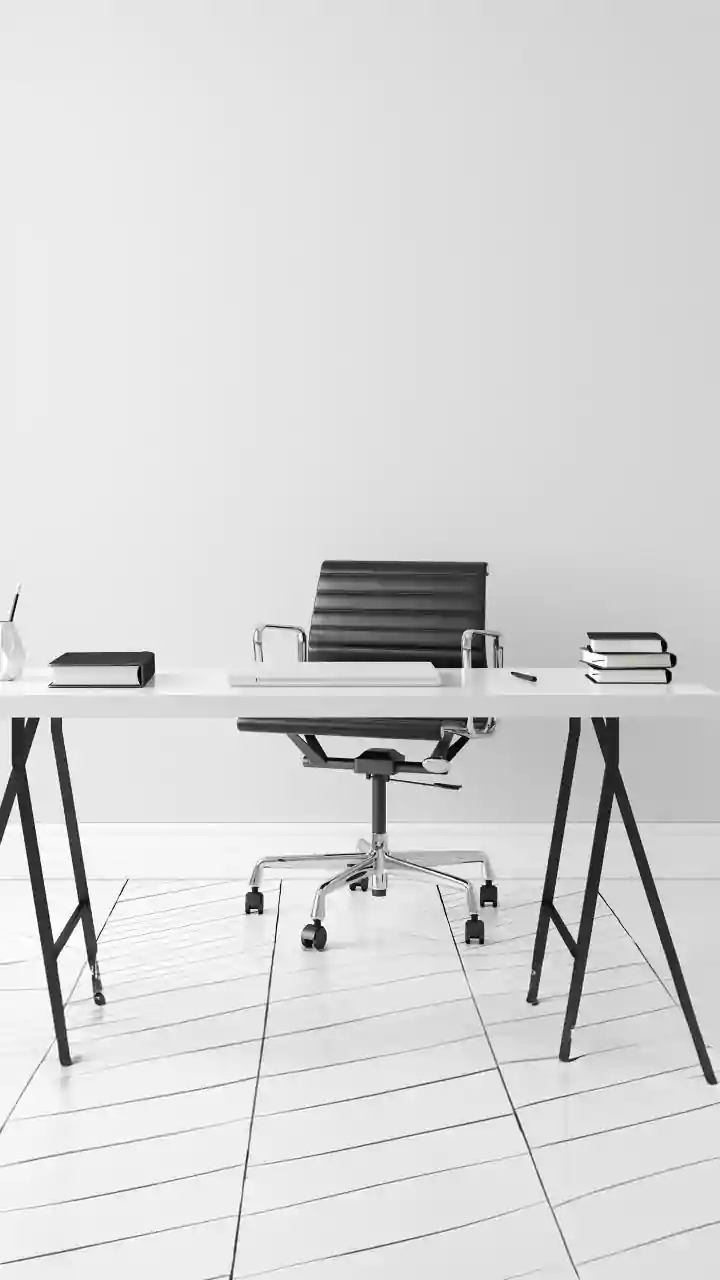
When you run out of floor space, the only way to go is up. Using your vertical space is a non-negotiable rule in small-home design. Tall, slender bookshelves draw the eye upward, creating an illusion of height and offering ample storage. Wall-mounted shelves and floating media consoles provide surfaces for essentials without consuming any floor area, making the room feel lighter and cleaner. Just as important as what you add is what you leave out. Empty space, or 'negative space', allows your eyes to rest and makes a room feel calm and uncluttered. Lighter paint colours like off-white or beige reflect more light, making a space feel larger and more airy. Similarly, sheer curtains let in sunlight while maintaining privacy, further enhancing the sense of openness.