





Why Our Homes Feel Like a Steam Room
During the monsoon and peak summer months, high humidity becomes a constant companion in Indian cities. It’s not just the heat; it's the moisture in the air that makes everything feel damp, stuffy, and uncomfortable. Trapped inside concrete apartments
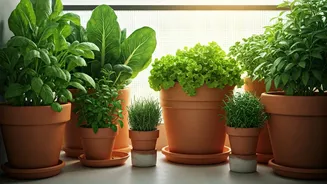
with limited cross-ventilation, this moisture has nowhere to go. This can lead to a feeling of lethargy, issues with mould and mildew, and a general sense of being worn down by the weather. While air conditioners offer a powerful but expensive fix, there’s a more natural, sustainable, and beautiful way to help regulate the microclimate in your immediate living space: a thriving balcony garden.
Plants as Natural Air Coolers
How can adding plants possibly help with humidity? It comes down to a natural process called transpiration. Plants absorb water through their roots and then release it as cool water vapour through tiny pores on their leaves. Think of them as miniature, self-regulating swamp coolers. While a few pots won't drastically change the humidity of your entire apartment, they can create a noticeably cooler and more pleasant micro-environment on and around your balcony. A lush collection of plants works together to absorb heat and release cool moisture, making the air feel fresher and more breathable. This green barrier can make sitting on your balcony a joy rather than an endurance test.
The Magic of Liquid Seaweed Fertiliser
To get your plants working at their best, they need the right fuel. This is where liquid seaweed comes in. Forget messy, complicated fertilisers. Liquid seaweed is a natural, organic superfood for your plants, harvested sustainably from the ocean. It’s packed with over 60 essential minerals, vitamins, and growth hormones that are easily absorbed by plants. For balcony gardening in a humid climate, it's a game-changer. It promotes strong root development, which is crucial for plants in pots. It also enhances a plant’s natural resistance to stress from heat and pests, which are common problems in our cities. Best of all, it’s incredibly easy to use—you simply dilute it in water and feed it to your plants.
Best Plants for a Humid Indian Balcony
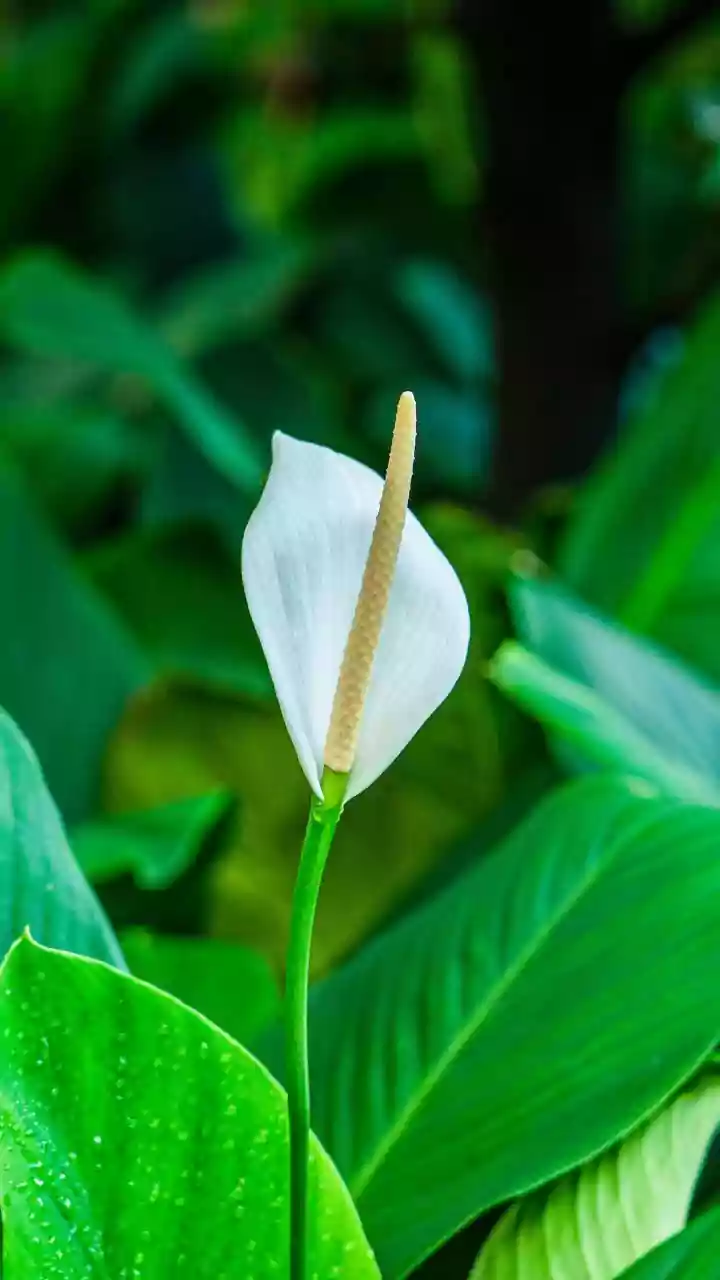
Choosing the right plants is essential. You need species that not only tolerate but thrive in humid conditions and are well-suited for container life. Here are some excellent choices for your anti-humidity army: - **Areca Palm:** A powerhouse for transpiration, this elegant palm is known for its air-purifying qualities and loves a bright, humid spot. - **Snake Plant (Sansevieria):** Almost indestructible, this plant is fantastic for beginners. It releases oxygen at night and is highly effective at filtering indoor air pollutants. - **Money Plant (Epipremnum aureum):** This popular vine is easy to grow, looks beautiful cascading from hanging baskets, and is very efficient at transpiration. - **Boston Fern:** A classic humidity-loving plant, its feathery fronds add a touch of lushness and it works hard to cool the air around it. It does need consistent moisture to thrive. - **Peace Lily (Spathiphyllum):** With its beautiful white flowers and glossy leaves, the peace lily is another excellent air purifier that enjoys the shaded, humid corners of a balcony.
Your Simple Balcony Garden Starter Guide
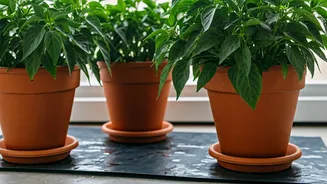
Ready to get started? It's simpler than you think. 1. **Choose Your Pots:** Ensure every pot has drainage holes at the bottom to prevent waterlogging, which is a major risk in humid weather. 2. **Get the Right Soil:** Use a well-draining potting mix. You can buy pre-made mixes or create your own by combining cocopeat, compost, and perlite. This ensures roots get air and don't rot. 3. **Planting:** Gently place your new plant in the pot and fill the surrounding space with your potting mix. Don't pack the soil too tightly. 4. **The Seaweed Feed:** For your first watering, mix the liquid seaweed concentrate according to the package directions (usually a few ml per litre of water). Water your plants thoroughly with this solution. Continue to feed them with the seaweed solution every 10-15 days during the growing season. 5. **Watering Wisdom:** In a humid climate, the soil surface can be deceiving. Stick your finger an inch into the soil. If it feels dry, it's time to water. If it’s damp, wait another day.