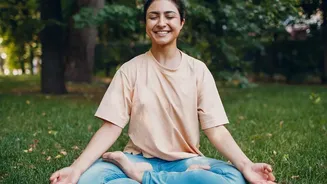




The Morning Practice: Activating Mind and Body
Starting your day with yoga can be a transformative experience, gently awakening your body and mind. A morning practice is typically designed to be energising, increasing circulation and preparing you for the demands of the day. These sequences often
involve dynamic movements and postures that stimulate the nervous system and boost blood flow. Think of it as a natural alternative to your morning cup of tea or coffee, but without the jitters. Physically, morning asanas help to alleviate stiffness that accumulates overnight. Poses that focus on spinal movement and opening the chest can improve posture and increase oxygen intake, leading to a feeling of vitality and alertness. Mentally, the practice sets a positive and focused tone for the day. By starting with mindful movement and breath, you are less likely to feel overwhelmed by stress later on. This proactive approach to well-being helps in cultivating a sense of calm and control from the moment you wake up.
Energising Asanas to Start Your Day
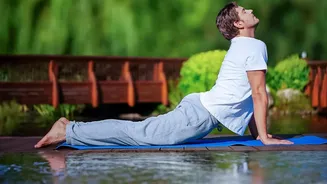
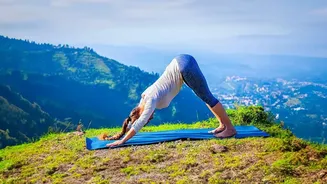
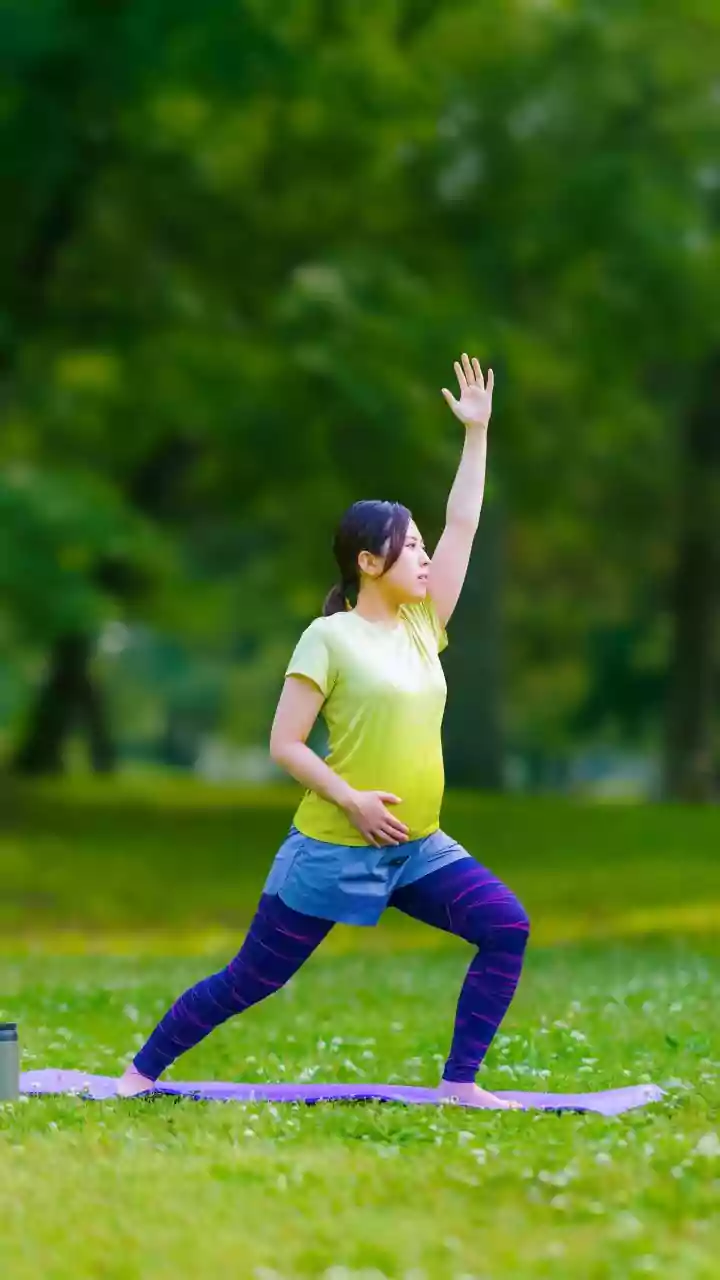
To harness the energising effects of morning yoga, certain poses are particularly effective. Sun Salutations (Surya Namaskar) are a classic choice, offering a full-body warm-up that links breath with movement. This flowing sequence builds heat, improves circulation, and enhances flexibility. Another powerful pose is Warrior II (Virabhadrasana II), which strengthens the legs and core while opening the hips and chest, demanding focus and building stamina. For a gentle yet effective boost, Cobra Pose (Bhujangasana) is an excellent heart-opener. This mild backbend stretches the front of the body, opens the lungs, and can help counter the effects of slouching. Similarly, Bridge Pose (Setu Bandhasana) invigorates the body by lengthening the spine and stimulating the abdominal organs, leaving you feeling refreshed and ready to tackle your to-do list.
The Evening Ritual: Unwinding and Letting Go
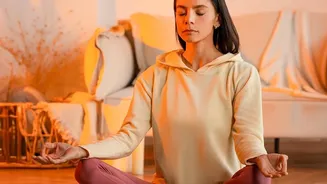
As the day winds down, the purpose of your yoga practice shifts dramatically. Evening yoga is not about building heat or energy; it is about releasing tension and preparing the body and mind for deep, restorative sleep. The focus moves towards slower movements, longer holds, and restorative postures that calm the nervous system. After a day filled with meetings, deadlines, and constant stimulation, an evening practice provides a crucial buffer, helping you transition from a state of 'doing' to a state of 'being'. This routine helps to lower stress hormones like cortisol, which can interfere with sleep if they remain elevated at night. By consciously slowing down your breath and body, you send a powerful signal to your brain that it is time to rest and recover.
Calming Poses for Restful Sleep
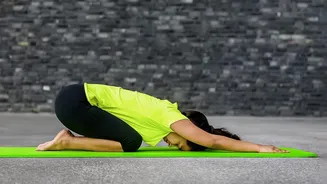
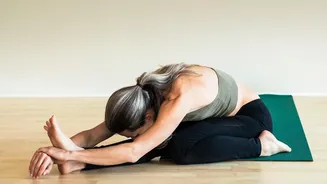
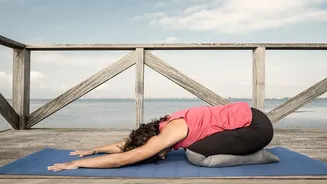
To promote better sleep, focus on gentle, grounding poses. Child's Pose (Balasana) is one of the most effective for calming the mind and releasing tension in the back and hips. Another deeply relaxing posture is Legs-Up-the-Wall (Viparita Karani). This simple inversion helps to soothe the nervous system, reduce swelling in the legs and feet, and can be profoundly calming. Seated Forward Fold (Paschimottanasana) is another excellent choice for an evening routine. This pose stretches the hamstrings and spine while encouraging introspection and quietude. By holding these restorative poses for a few minutes each, you allow your body to enter a state of deep relaxation, making it easier to fall asleep and stay asleep throughout the night.
The Science of Timing Your Practice
The different effects of morning and evening yoga are rooted in their impact on our autonomic nervous system (ANS). The ANS has two main branches: the sympathetic nervous system (SNS), our 'fight or flight' response, and the parasympathetic nervous system (PNS), our 'rest and digest' mode. An energising morning practice, with its dynamic movements and backbends, gently stimulates the SNS, making us feel alert and ready for action. Conversely, a calming evening practice, rich with forward folds and slow breathing, activates the PNS. This activation slows the heart rate, lowers blood pressure, and helps the body shift into a restorative state, which is essential for deep sleep. By aligning our yoga practice with our body's natural rhythms, we can more effectively manage our energy and stress levels throughout the entire day.