

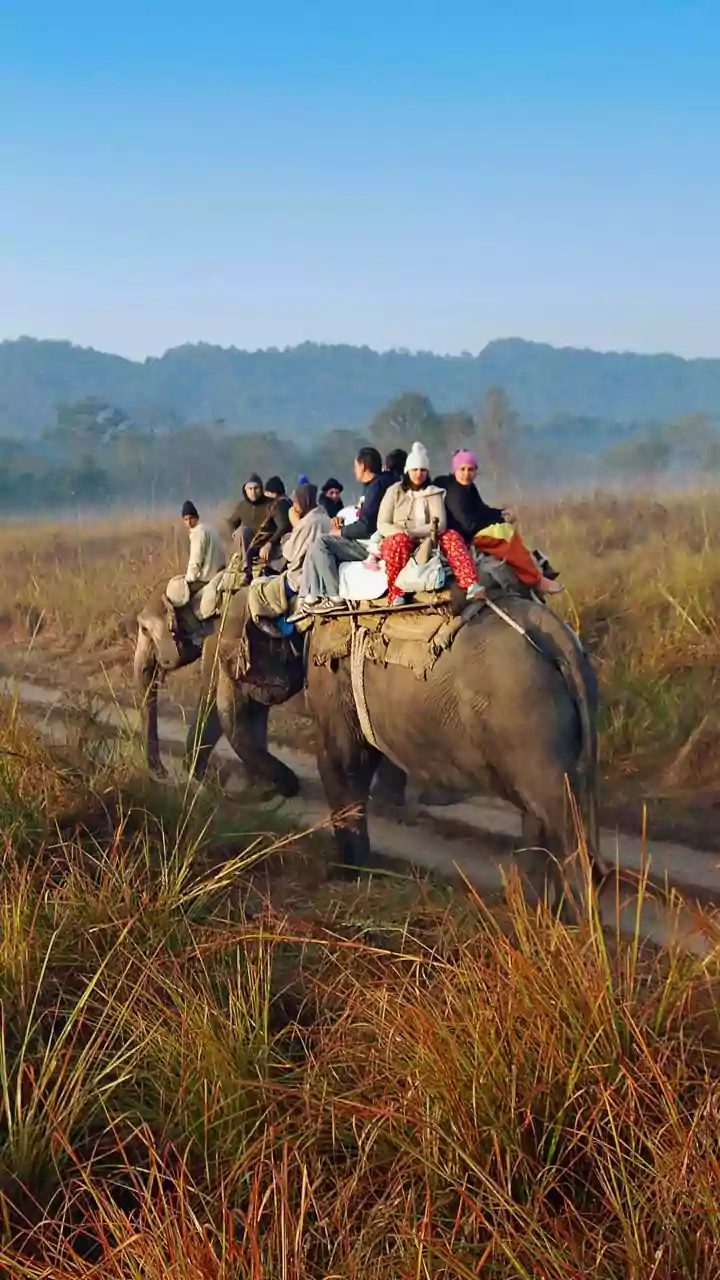



The festive season is here, but for many urban Indians, the break isn't just about tradition. A new trend is taking hold: swapping city chaos for quick, rejuvenating escapes to nearby havens. Here's why and how.
The Rise of the Micro-Vacation
The grand, week-long annual vacation is
no longer the only way to travel. A significant shift is underway, with many urban Indians now favouring multiple 'micro-vacations'—short getaways of two to four days—over one big holiday. This trend has gained particular traction during the festive season, which is increasingly seen as an opportunity for several quick trips rather than a single, extended break. The reasons are manifold. Professionals are battling burnout and find that short, frequent breaks are more effective for managing stress than one long holiday per year. The rise of hybrid and remote work models also plays a crucial role, allowing people to blend light work with leisure and make the most of long weekends without depleting their leave balance.
What's Driving the Festive Escape?
For a growing number of city dwellers, the festive season now prompts a desire to escape the urban grind. Instead of navigating crowded markets and a packed social calendar, they are opting for the peace of a nearby hill station, a coastal town, or a quiet rural retreat. This isn't about abandoning celebrations but redefining them. The focus is shifting from traditional obligations to personal well-being, rest, and creating new memories with family and friends. Travel search data shows a significant year-on-year jump in domestic travel interest for the festive period, with many looking for experiences that offer a genuine change of pace. This shift from 'tick-box tourism' to experience-driven getaways means travellers are choosing to stay longer in fewer locations to truly unwind and connect with a place.
How to Plan the Perfect Quick Getaway
The beauty of a short trip lies in its simplicity, and planning is often spontaneous. Reports show a considerable number of travellers book their accommodation on the day of check_in, highlighting a flexible and last minute approach. Drivable destinations are a top choice, as improved highways have made road trips more convenient and appealing. For those living in major metros, this means popular spots are just a few hours away. A Mumbaikar might head to Lonavala or Alibaug for a quick coastal or hill retreat. From Delhi, places like Rishikesh, Neemrana, and Jaipur offer a perfect blend of spirituality, heritage, and adventure. Similarly, Bengaluru residents often escape to the serene coffee plantations of Coorg or the scenic hills of Ooty.
The New Era of Accommodation
This travel trend has also transformed accommodation preferences. While hotels remain popular, there is a burgeoning interest in alternative stays like homestays, villas, and apartments. Travellers are increasingly looking for authentic local experiences, and these properties often provide a more intimate and immersive connection to the destination. According to a recent report, 85% of travellers choose alternative accommodations for this reason. This is especially true for families and groups who find such stays more convenient and valuable. The stay itself is becoming a core part of the holiday experience, not just a place to sleep. This has fueled the growth of professionally managed vacation rentals in non traditional locations, expanding options beyond major tourist hubs.
The Economics of the Short Break
One of the most compelling reasons for the rise of micro vacations is their affordability. A short, domestic trip is significantly more budget friendly than a long haul international holiday, allowing people to travel more frequently throughout the year. A weekend trip can often be managed within a modest budget, making it an accessible option for young professionals and families alike. Furthermore, the rise of staycations—vacationing within one s own city—has also seen weekend demand at city hotels improve significantly, as people take short breaks to experience luxury and leisure without the hassle of travel. This trend indicates that for many, a holiday is no longer a once a year splurge but a regular, essential part of a balanced lifestyle.