



The Lunar Power Problem
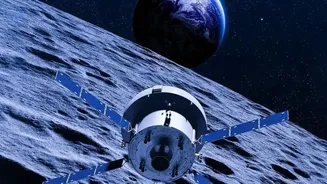
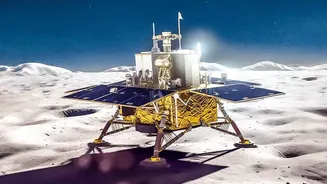
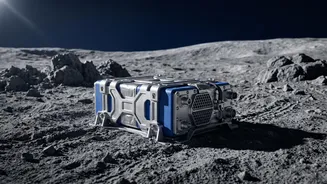
Establishing a sustained human presence on the Moon under the Artemis program is not just about getting there; it's about staying there. A critical hurdle is energy. The lunar cycle includes roughly 14 Earth days of continuous sunlight followed by 14 days of darkness
and extreme cold. Near the Moon's poles, temperatures can plummet to below minus 200 degrees Celsius. Conventional lithium-ion batteries, like those in our phones and cars, use liquid electrolytes that would freeze solid in such conditions, potentially causing permanent damage and rendering them useless. This requires heavy, power-hungry heating systems just to keep the batteries alive, adding significant mass and complexity to any mission.
Introducing Project SPEARS
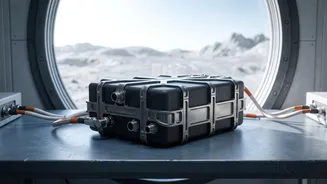
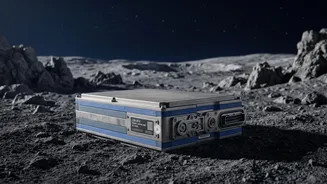
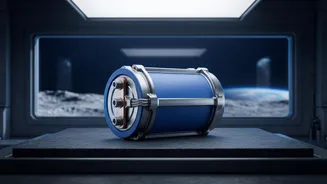
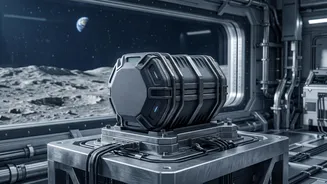
To solve this, NASA has launched a project called SPEARS, which stands for Solid Power for Extreme Environment Adaptability and Resilience in Space. Led by NASA's Glenn Research Center, this early-stage research project is focused on developing a completely different kind of battery: a solid-state battery. The core innovation is replacing the volatile liquid electrolyte found in traditional batteries with a solid, ceramic- or polymer-based material. This fundamental change is key to creating a power source that can withstand the Moon's harsh environment, from extreme cold to the vacuum of space.
How Solid-State Technology Works
The magic of SPEARS lies in its solid electrolyte. Because this material is solid, it cannot freeze, evaporate, or leak like its liquid counterparts. While even these advanced batteries cannot operate at the absolute coldest lunar temperatures, they can survive them without damage. Recent tests have shown prototype cells can survive exposure to temperatures as low as minus 170 degrees Celsius and still function when warmed up. They can operate with slightly reduced performance at minus 80 degrees Celsius, a major breakthrough. The plan is to use small, efficient heaters to bring the batteries to an operational temperature only when needed, dramatically reducing the constant energy drain required for thermal management.
An Early-Stage, High-Potential Project
It is important to understand that SPEARS is an early-stage research effort. It is part of a broader NASA focus on funding visionary ideas that could radically transform future missions. These concepts are not yet official NASA missions but are essential for developing the breakthrough technologies needed for ambitious goals like a permanent lunar base. The SPEARS project began in 2026, with initial work focused on proving the technology's viability in laboratory settings. The recent thermal vacuum tests at NASA's Langley Research Center represent a successful first step, demonstrating that the core concept is sound.
The Path Forward and Potential Applications
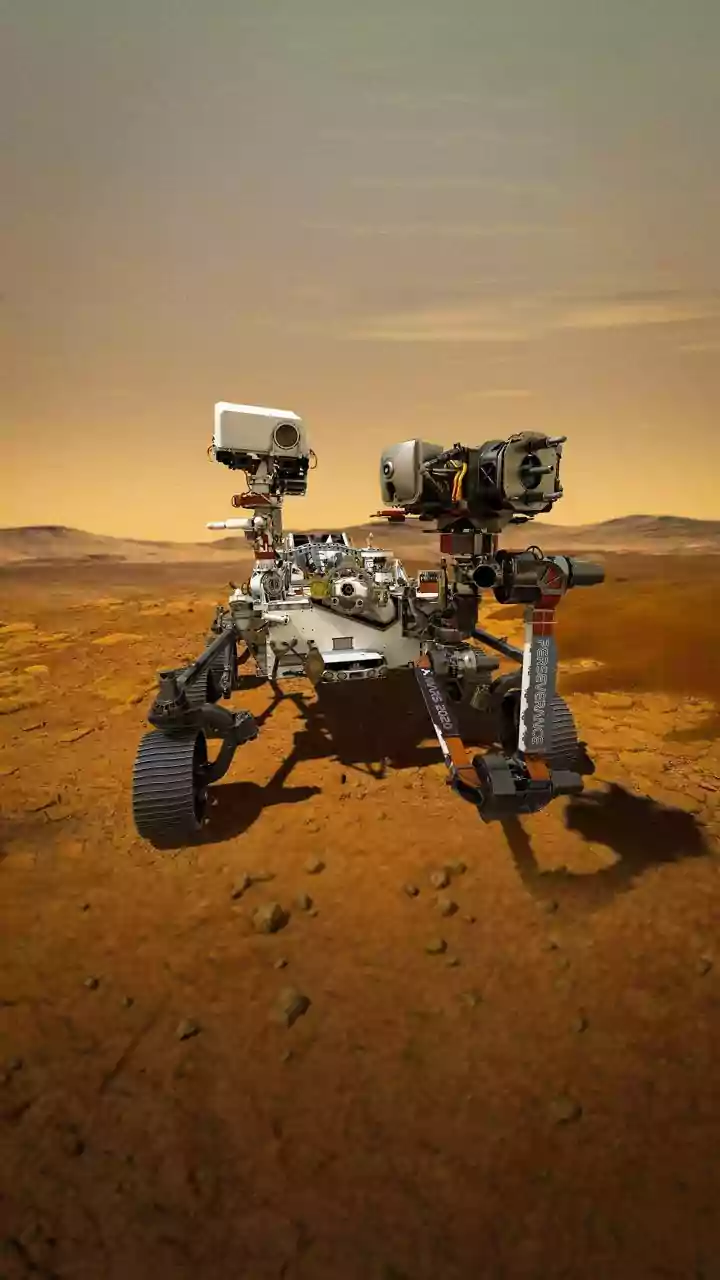
The next phase for SPEARS involves moving from small prototype cells to developing flight-ready hardware for testing in space. A key advantage of the technology is its adaptability. Researchers believe they can 'tune' the battery's chemistry by using different electrode materials to optimize for various needs, whether it's high power output for a drill, long-term durability for scientific instruments, or balanced performance for a lunar rover. Potential applications are vast, including powering astronaut emergency kits, rovers exploring shadowed craters, and long-duration science equipment. Beyond the Moon, this research could also have significant impacts on Earth, advancing battery technology for electric vehicles, drones, and consumer electronics.