








The Science Is Promising, But Young
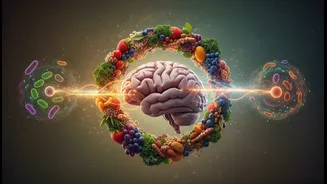
There's no doubt that what we eat affects our brain. The burgeoning field of nutritional psychiatry is built on this connection. Our gut and brain are in constant communication via the gut-brain axis, and the food we eat provides the building blocks for
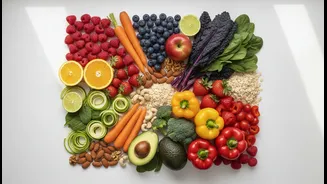
crucial neurotransmitters like serotonin and dopamine, which regulate mood. Studies show that traditional dietary patterns, like the Mediterranean diet, are associated with a reduced risk of depression. This diet—rich in fruits, vegetables, whole grains, fish, and healthy fats—is thought to combat chronic inflammation, a state linked to mood disorders. However, much of the research is correlational. It shows an association, not necessarily a direct cause-and-effect relationship.
Whole Foods, Not Single Nutrients
Landmark studies like the SMILES trial have provided stronger evidence. In this randomised controlled trial, participants with major depression who were guided to adopt a modified Mediterranean diet showed significantly greater improvements in their symptoms compared to a control group receiving social support. In fact, nearly a third of those in the diet group achieved full remission. But here’s the crucial detail: the intervention was a complete dietary overhaul, not a single pill. The benefits likely come from the complex synergy of nutrients, fibre, and anti-inflammatory compounds found in whole foods, something a supplement can't replicate. The focus was on building a healthy eating pattern, guided by dietitians, as part of a holistic treatment plan that often still included medication and therapy.
The Supplement Industry's Leap of Faith
This is where the supplement industry rushes in. Marketers often isolate one ingredient that has shown a glimmer of promise in a preliminary study—like magnesium, omega-3s, or ashwagandha—and promote it as a natural cure for anxiety or low mood. The global market for mood-enhancing supplements is growing, fuelled by consumer awareness of mental wellness. However, the evidence for most individual supplements is mixed at best. While some, like specific omega-3 fatty acids, have more substantial research backing them as a complementary treatment, many others lack robust clinical proof for the broad claims made on their labels. This creates a gap between marketing hype and scientific reality.
Regulation Can't Always Keep Up
In India, the Food Safety and Standards Authority of India (FSSAI) regulates health supplements and nutraceuticals. These regulations set standards for ingredients, labelling, and manufacturing practices. Crucially, FSSAI rules prohibit products from claiming to prevent, treat, or cure any disease—those claims are reserved for drugs. However, the line can be blurry. Clever marketing uses phrases like “mood support,” “stress relief,” or “promotes emotional wellness” to tap into consumer desires without explicitly making a medical claim. This leaves consumers to navigate a confusing landscape, often assuming a product on a shelf is proven effective when it may not be.
A Pill Is Not a Substitute for a Plate
Relying on supplements can also create a false sense of security, distracting from the foundational habits that truly impact mental health. A healthy diet, regular exercise, sufficient sleep, and meaningful social connection are the cornerstones of wellbeing. A supplement cannot compensate for a diet high in ultra-processed foods, which have been linked to an increased risk of depression. Furthermore, self-treating with supplements can be risky. It might delay someone from seeking proper medical evaluation and treatment for a serious condition like clinical depression, which requires a comprehensive approach. There is no quick fix, and pretending a single pill can do the job of a balanced diet and a healthy lifestyle is a disservice to everyone.