
From Uniformity to Diversity
To understand the revival, we first need to understand the loss. India was once home to an estimated 100,000 or more varieties of rice, each adapted to its unique local environment. From Kerala's medicinal Navara to West Bengal's fragrant Gobindobhog,
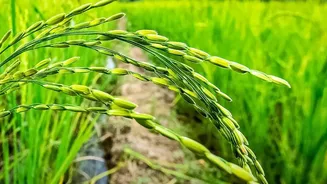
these grains were intertwined with regional culture and cuisine. Then came the Green Revolution in the 1960s. To combat food shortages, the focus shifted to high-yielding hybrid varieties that produced more grain, faster. While it dramatically increased food production, it came at a cost: a massive erosion of biodiversity. Thousands of traditional strains vanished from fields as agriculture prioritised uniformity over diversity, leaving farmers dependent on purchased seeds and chemical inputs. Today, it's estimated that fewer than 6,000 of these indigenous varieties survive.
A Prescription for Healthier Eating
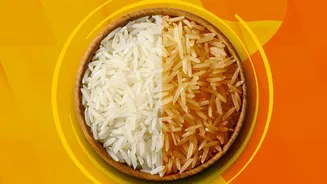
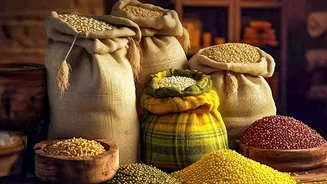
One of the most significant drivers of this revival is a growing health consciousness among urban consumers. Many traditional rice varieties, especially pigmented ones like red and black rice, are nutritional powerhouses compared to their polished white counterparts. They are often richer in fibre, antioxidants, vitamins, and minerals like zinc and iron. Varieties like Mappillai Samba and Karuppu Kavuni are sought after for their health benefits. Many traditional grains also have a lower glycemic index, meaning they release sugar into the bloodstream more slowly, making them a better choice for managing blood sugar levels. As people look for food that is both delicious and genuinely nourishing, these heritage grains offer a direct link to a healthier plate.
Seeds of a Climate-Resilient Future
As climate change brings more frequent droughts, floods, and erratic weather, farmers are discovering that the past may hold the key to the future. Many indigenous rice varieties are naturally resilient to environmental stress. For instance, Pokkali rice from Kerala and Lal Getu from the Sundarbans can tolerate saline, water-logged soil, a crucial trait in cyclone-prone coastal areas. Other varieties are naturally drought-tolerant, surviving with less water than modern hybrids. This built-in resilience, developed over centuries of adaptation, makes these grains a vital resource for ensuring food security in an unstable climate. Farmers are finding that these hardy, traditional crops often succeed where hybrids fail.
The Guardians of the Grain
This comeback isn't happening on its own. It's being led by a dedicated network of farmers, conservationists, and non-profit organisations. Figures like Sathyanarayana Beleri in Karnataka, who conserves over 650 rice varieties, are at the forefront of this movement. Farmer collectives and women-led seed networks in states like Tamil Nadu, Odisha, and West Bengal are meticulously saving, exchanging, and cultivating these heirloom seeds. Organisations like Thanal, with its 'Save Our Rice' campaign, and Navdanya have been instrumental in creating awareness and building networks to support these farmers. Even some state governments, like Tamil Nadu with its Heritage Rice Mission, are now providing crucial support to promote these local treasures.
From Niche Markets to Mainstream Plates
The revival is also being fueled by a growing market demand. As consumers become more aware, they are willing to pay a premium for these unique, flavourful, and nutritious grains. Organic stores and online platforms now prominently feature varieties like Kalanamak, Kaima, and Thooyamalli. Chefs and restaurants are also playing a role by incorporating heirloom rice into their menus, reintroducing diners to the diverse culinary possibilities beyond Basmati. However, challenges remain. Issues like lower yields compared to hybrids, the need for manual processing, and ensuring authenticity and traceability require ongoing effort. For the revival to be truly sustainable, strong market linkages and policy support are essential to ensure that farmers find it economically viable to continue growing these invaluable grains.