




The Route: Is a Longer Flight Always Worth a Better Seat?
The most fundamental factor in any upgrade decision is the length of your flight. Splurging on business class for a 90-minute domestic hop rarely makes sense, as the benefits are minimal for such a short time. The calculus changes dramatically for long-haul
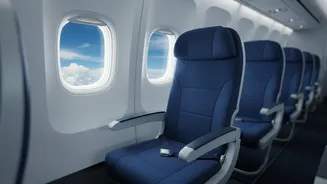
and international journeys. An upgrade on a flight over seven hours, especially an overnight one, can be the difference between arriving exhausted and arriving refreshed. A lie-flat seat allows for proper sleep, helping you adjust to a new time zone and be ready for activities or meetings upon arrival. However, not all long flights are created equal. A daytime flight where you plan to work or watch movies may not require a fully flat bed, making a less expensive premium economy seat a smarter choice. The direction of travel also matters; many travellers find upgrades more valuable on overnight flights heading east to get a jump on fighting jet lag.
The Aircraft: Not All Business Classes Are Created Equal
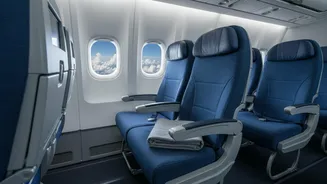
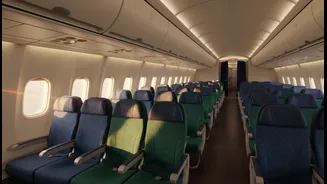
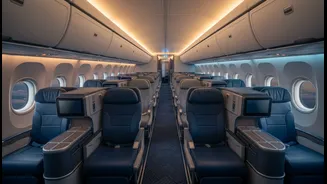
A 'business class' ticket can mean vastly different things depending on the plane you are flying on. This is arguably the most overlooked, yet most critical, factor. On many short-haul domestic routes, 'first class' might only mean a slightly wider seat and a free drink. The real prize is found on modern, wide-body aircraft used for international routes, like the Boeing 787 or Airbus A350. These planes often feature sophisticated business class cabins with seats that convert into fully lie-flat beds and offer direct aisle access for every passenger. Some, like Qatar Airways' Qsuite, even have closing doors for ultimate privacy. Conversely, an older aircraft, even on a long route, might have an outdated business class with angled seats that aren't truly flat or a less private 2-2-2 configuration that requires the window passenger to climb over their seatmate. Before committing, always check the aircraft type and look at the seat map to understand exactly what kind of comfort and privacy you are purchasing.
The Fare Rules: What Else Is Included?
An upgrade is often about more than just the seat. The benefits begin long before you board the plane. A business class ticket typically includes a host of valuable perks that should be factored into your cost-benefit analysis. These often include priority check-in, a separate, faster security line, and early boarding, all of which can significantly reduce airport stress. You'll also likely receive a much more generous checked baggage allowance. Perhaps one of the most significant perks is access to the airline's business class lounge. Lounges provide a quiet oasis with complimentary food and drinks, Wi-Fi, and sometimes even showers—a huge benefit during a long layover. When you add up the potential cost of paying for extra bags, airport food, and drinks, the upgrade's price might start to look a lot more reasonable. Always check what your specific fare includes, as some discounted upgrade offers may not include all the premium benefits.
Making the Final Call
So, is it worth it? Many frequent flyers use a simple rule of thumb, suggesting they wouldn't pay more than $50-$100 for each hour of flight time for an upgrade. For a 10-hour international flight, this translates to a target price of $500 to $1,000 for a lie-flat business class seat. But ultimately, the decision is personal. Consider the purpose of your trip. If you're heading to a critical business meeting or a once-in-a-lifetime event like a wedding, arriving well-rested has immense value. If it's a casual holiday where you can relax upon arrival, you might prefer to save the money for experiences at your destination. By looking beyond the price tag and considering the route, the specific aircraft, and the bundled fare benefits, you can make a smart, informed decision that is right for your journey and your budget.