







The Sticker Shock Is Real
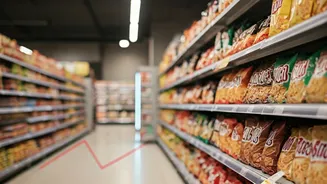
That familiar packet of bhujia or your go-to biscuits now costs more, and it's a trend sweeping across India's fast-moving consumer goods (FMCG) sector. Companies from Dabur to Parle and Britannia have been implementing selective price hikes. Recent reports
show that FMCG giants have raised prices by anywhere from 4% to 10% across various product lines since early 2026. This isn't a random blip; it's a calculated response to persistent inflationary pressures that are squeezing manufacturers. The result for consumers is a noticeable pinch in the wallet, turning what was once an impulse buy into a more considered purchase. This has led to what analysts call more 'pricing-led growth' than 'volume-driven growth', meaning companies are making more money from higher prices rather than from selling more units.
A Perfect Storm of Costs
So, why the sudden surge? It's a combination of factors creating a perfect storm for manufacturers. A primary driver is the rising cost of raw materials. Global events and supply chain disruptions have pushed up the prices of essential commodities like edible oils, grains, and fuel. For snack makers, this means everything from potatoes and wheat to the palm oil used for frying has become more expensive. Another significant factor is the cost of packaging, which is closely linked to crude oil prices. With crude prices remaining volatile, the cost of plastics and other packaging materials has surged, sometimes by as much as 15-20%. These rising input costs leave companies with a tough choice: absorb the loss or pass it on to the consumer. As recent trends show, they are increasingly choosing the latter.
Less Chip for Your Rupee
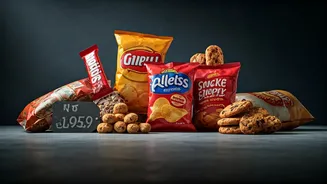
Price hikes aren't the only strategy in the corporate playbook. Many companies are turning to a subtler tactic known as 'shrinkflation'. This is when the price of a product stays the same, but the amount of product in the package gets smaller. It’s a way to manage rising costs without alarming price-sensitive customers. For instance, a popular brand of aloo bhujia saw its packet weight drop from 55 grams to 42 grams while the price remained unchanged. This strategy is particularly common for products at the highly sensitive ₹5, ₹10, and ₹20 price points. Companies believe that consumers are less likely to notice a slight reduction in grammage than a direct increase on the maximum retail price (MRP). Dabur's CEO Mohit Malhotra confirmed this approach, stating that for smaller packs, reducing the quantity is often the only viable way to counter inflation.
How Shoppers Are Pushing Back
Indian consumers are famously value-conscious, and they are not taking these price changes lying down. A significant shift in purchasing behaviour is underway. Many households, feeling the budgetary pressure, are now opting for smaller, more affordable packs. Demand for ₹5 and ₹10 packs has been growing nearly twice as fast as for larger pack sizes. This allows families to manage their monthly expenses by making smaller, more frequent purchases instead of a large one-time spend. This trend is visible across both urban and rural markets. At the same time, there's a counter-trend among some consumers who are willing to pay a premium for healthier snack options, indicating a growing consciousness around nutrition. A recent survey found that nearly 60% of parents are willing to spend more on healthier alternatives for their children, signalling a market split between affordability and wellness.