






The New 30-Day Visa-Free Rule Explained
In a significant move for one of its largest tourist markets, the Thai government has confirmed that Indian passport holders will receive visa-free entry for up to 30 days. This decision replaces the previous, and often confusing, mix of policies that included
a temporary 60-day visa exemption and a visa-on-arrival (VoA) scheme. The change came after a period of uncertainty, where a proposed withdrawal of visa-free entry led to a nearly 20% drop in tourists from India. Realising the impact, Thai authorities reversed course to provide a clear and stable policy. The new 30-day rule is designed to align with the typical travel behaviour of Indian tourists, who, on average, stay for about a week.
Goodbye to Airport Queues and Last-Minute Stress
The biggest practical benefit of this new rule is the end of 'airport surprises'. Previously, many travellers relied on the Visa on Arrival (VoA) facility, which often meant long queues at immigration after a tiring flight. It also required travellers to carry specific amounts of cash (around 2,000 Baht) for the visa fee and present a host of documents under pressure. With direct visa-free entry, you can now proceed straight to the immigration counter, just like travellers from many other visa-exempt nations. This eliminates the need to fill out VoA forms, wait in a separate line, and make cash payments at the airport, making for a much faster and more pleasant start to your holiday.
Essential Checklist for Smooth Entry
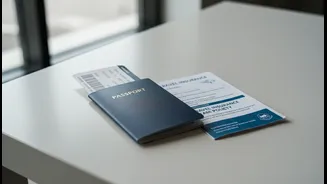
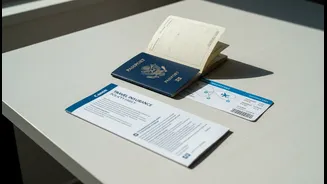
While a visa is not required, travellers must still have their documents in order to ensure a smooth entry. Immigration officials will expect you to have: a passport with at least six months of validity remaining from your date of arrival; confirmed return flight tickets showing departure within 30 days; proof of accommodation, such as hotel bookings for your stay; and sufficient funds for your expenses. While the visa fee is gone, it is still advisable to carry a mix of cash and cards. Some reports suggest that immigration officers may conduct random checks to ensure tourists can support themselves during their stay. Additionally, all foreign travellers are required to fill out the Thailand Digital Arrival Card (TDAC) online before arrival.
Planning a Longer Trip or Other Travel?
The 30-day visa-free scheme is specifically for tourism. If your plans involve staying longer than 30 days, or if you are travelling for purposes other than tourism, such as business or work, you must apply for the appropriate visa in advance from a Royal Thai Embassy or Consulate. The Thai government has made it clear that the new rules are part of a broader effort to streamline visa privileges and prevent misuse, such as foreigners working illegally on a tourist visa. This 'one country, one entitlement' policy is aimed at enhancing security while still encouraging genuine tourism. Therefore, it's crucial to respect the 30-day limit and apply for a proper visa extension or a different visa type if you intend to extend your visit.
A Win for Indian Tourists
This policy clarification is a significant win for the millions of Indians who flock to Thailand's beaches, temples, and cities each year. India is consistently one of the top three sources of tourism for Thailand, alongside China and Malaysia. The stable 30-day visa-free rule not only makes travel more convenient but also restores confidence for those planning future trips. It removes the ambiguity that had recently dampened enthusiasm and allows travellers to focus on what truly matters: planning an incredible and stress-free holiday. As the Tourism Minister noted, this measure supports the country’s vital tourism industry and can be reviewed in the future if any issues arise.