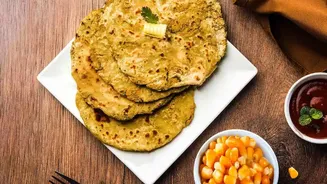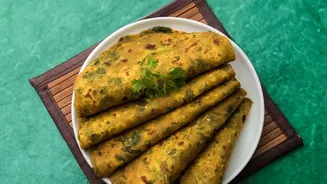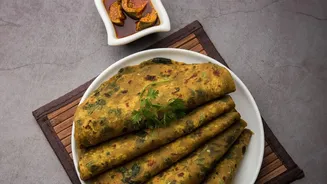





As winter mornings arrive with a familiar crisp chill, so does the craving for something warm, wholesome, and comforting. This Jowar Radish Paratha is the perfect answer, blending a nutritious ancient grain with a seasonal favourite vegetable.
A Healthy Twist on a Breakfast Classic
The paratha
is a beloved staple across India, a versatile flatbread that can be enjoyed plain or stuffed with an endless variety of fillings. While aloo and gobi parathas are perennial favourites, winter brings its own star: the mooli (radish) paratha. This recipe takes the classic a step further by swapping traditional wheat flour for jowar, or sorghum flour. The result is a gluten-free flatbread that is not only delicious but also packed with nutrients. The earthy, nutty flavour of jowar pairs wonderfully with the sharp, peppery taste of fresh radish, creating a balanced and satisfying meal ideal for breakfast, lunch, or even a light dinner. It’s a simple way to incorporate seasonal produce and healthy millets into your diet without sacrificing flavour or comfort.
The Nutritional Power of Jowar
Jowar, an ancient millet, is making a major comeback in modern Indian kitchens, and for good reason. It is naturally gluten-free, making it an excellent choice for those with gluten sensitivities or celiac disease. Rich in dietary fibre, jowar aids digestion, helps prevent constipation, and promotes a feeling of fullness, which can assist in weight management. It has a low glycaemic index, meaning it releases sugar into the bloodstream slowly, helping to manage blood sugar levels and providing sustained energy. Furthermore, jowar is a good source of essential minerals like magnesium, iron, and phosphorus, which are vital for bone health and improved blood circulation. Its antioxidant properties also help combat oxidative stress in the body.
Why Radish is a Winter Superfood
Radish, or mooli, is a quintessential winter vegetable in India. Beyond its crunchy texture and sharp flavour, it offers significant health benefits. It is incredibly hydrating and rich in Vitamin C, which is crucial for boosting the immune system during the colder months to fend off common infections. Like jowar, radish is high in fibre, promoting good digestive health and preventing issues like bloating. It also contains compounds that help regulate blood sugar and blood pressure, thanks to its potassium content. Traditionally, radish is considered a detoxifying vegetable that supports liver function. By incorporating it into parathas, you are not just adding flavour but also a dose of winter wellness.
Step-by-Step Recipe Guide
This recipe integrates the radish and spices directly into the jowar dough, which is easier than stuffing and ensures flavour in every bite. Ingredients: - 1.5 cups Jowar (Sorghum) Flour - 1 cup finely grated Radish (Mooli) - 1-2 Green Chillies, finely chopped - 1 tsp Ginger, grated - 2 tbsp fresh Coriander Leaves, chopped - 1/2 tsp Ajwain (Carom Seeds) - 1/2 tsp Turmeric Powder - Red Chilli Powder to taste - Salt to taste - Hot water, as needed for kneading - Ghee or oil for cooking Instructions: 1. Prepare the Radish: After grating the radish, sprinkle it with a little salt and set it aside for about 10-15 minutes. This will draw out excess water. Squeeze the grated radish firmly between your palms to remove as much liquid as possible. This step is crucial to prevent the dough from becoming too sticky. 2. Make the Dough: In a large bowl, combine the jowar flour, the squeezed radish, green chillies, ginger, coriander leaves, ajwain, turmeric, and red chilli powder. Do not add salt yet. 3. Knead with Hot Water: Slowly add hot water to the flour mixture and combine with a spoon. Once it's cool enough to handle, knead it into a soft, smooth dough. The heat from the water helps make the gluten-free jowar dough more pliable. Knead for 5-7 minutes until the dough is smooth and not crumbly. 4. Portion and Cook: Divide the dough into equal-sized balls. Just before rolling each paratha, add a pinch of salt to the individual ball and knead it in. This prevents the entire dough batch from releasing water. Dust a surface with jowar flour and gently roll out the ball into a paratha of desired thickness. You can also pat it out with your hands. 5. Cook the Paratha: Heat a tawa (griddle) over medium heat. Place the paratha on the tawa. Cook for about a minute, then flip. Apply ghee or oil on the surface and flip again, pressing gently with a spatula until golden brown spots appear on both sides. Serve hot.
Tips for the Perfect Paratha
Working with jowar flour and radish can be tricky. Using boiling hot water to knead the dough is a non-negotiable step; it gelatinizes the starch and acts as a binder, making the dough soft and preventing the parathas from becoming hard or dry. Another pro-tip is to not let the prepared dough sit for too long, as the radish may still release some moisture. If you find the dough difficult to roll, place a dough ball between two sheets of parchment paper or on a ziplock bag and roll it out; this prevents sticking and breaking. Finally, serve these parathas immediately with a side of plain curd, pickle, or a dollop of white butter for the perfect winter meal.