





The Foundation: Macronutrients and Timing
A successful plant-based athletic diet hinges on three pillars: carbohydrates, protein, and fats. Carbohydrates are your primary fuel source, essential for energy. Protein is crucial for repairing and building muscle tissue post-exercise. Healthy fats support
overall health and provide sustained energy. The real magic happens when you time these macronutrients correctly. Your body needs different types of fuel before, during, and after a workout. Prepping meals in advance ensures you have the right nutrients ready to go, preventing you from reaching for less optimal options when you're short on time.
Pre-Workout: Fueling for Endurance
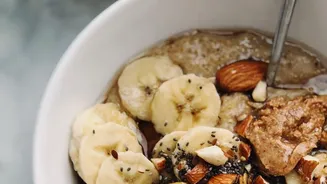
About 60 to 90 minutes before a workout, your focus should be on complex carbohydrates for sustained energy release. This prevents a mid-workout crash and ensures your muscles are properly fuelled. Keep the meal relatively light and lower in fat and fibre to avoid digestive issues during your session. Great options include a bowl of oatmeal with berries, a banana with a spoonful of almond butter, or a slice of whole-grain toast with avocado. These meals provide the quick yet lasting energy needed to push through a demanding workout without weighing you down.
Post-Workout: The Recovery Window
After you exercise, your priority shifts to recovery. Within 30 to 60 minutes, consume a meal that combines protein and carbohydrates. Carbs are needed to replenish the glycogen stores you just depleted, while protein provides the amino acids necessary for muscle repair and growth. A recovery smoothie with plant-based protein powder, soy milk, and a banana is an excellent choice. Other effective recovery meals include a bowl of lentils and rice, a tofu scramble with vegetables, or a chickpea salad sandwich on whole-grain bread. The goal is to get these nutrients in efficiently to kickstart the recovery process.
Building Your Weekly Meal Prep Plan
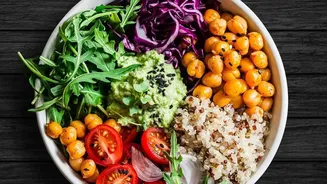
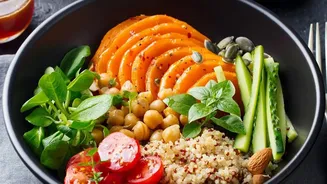
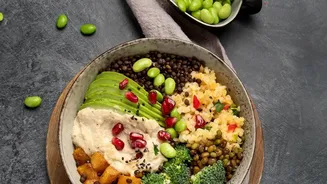
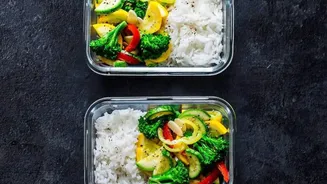
Structure your week by designating a few hours on one day, like Sunday, to cook key components in batches. This doesn't mean you need to create dozens of unique meals. Instead, focus on staples. Cook a large batch of a whole grain like quinoa or brown rice. Roast a tray of vegetables such as sweet potatoes, broccoli, and bell peppers. Prepare a large pot of lentils or beans. Pre-wash and chop greens for easy salads. You can also make a versatile sauce or dressing for the week. With these components ready, you can quickly assemble meals. On training days, combine them to create balanced pre- and post-workout meals. On rest days, you can build lighter, vegetable-forward bowls or salads.
Sample Meal Ideas for the Week
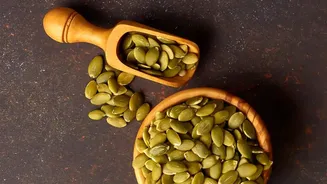
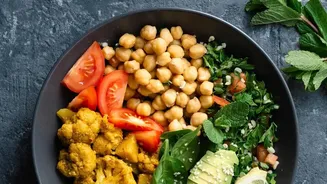
To bring this to life, here is a simple template. For breakfasts, alternate between overnight oats and tofu scrambles. For lunches, use your pre-cooked grains and legumes to build hearty salads or burrito bowls. Dinners can be a simple rotation of lentil curry with rice, tofu and vegetable stir-fry, or hearty bean soup. Snacks are just as important. Keep fruit, nuts, seeds, and homemade energy bars on hand for a quick pre-workout boost or to tide you over between meals. By having these core elements prepared, you can mix and match throughout the week, ensuring variety without the daily cooking grind.
Don't Forget Hydration and Micronutrients
While macronutrients get most of the attention, hydration and micronutrients are vital for performance and recovery. Drink water consistently throughout the day, not just during your workout. A plant-based diet is naturally rich in anti-inflammatory compounds, vitamins, and minerals found in colourful fruits and vegetables, which can help reduce exercise-induced inflammation and muscle soreness. Foods like berries, leafy greens, and beets are particularly beneficial for recovery. Ensuring your meals are colourful is a simple way to guarantee you're getting a wide array of these essential micronutrients.