




From Thread to Thriving Plant
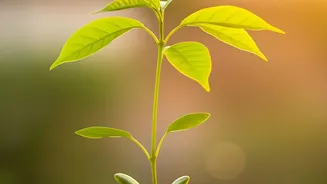
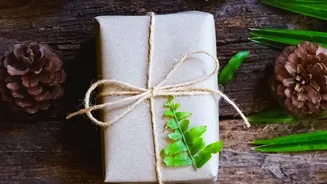
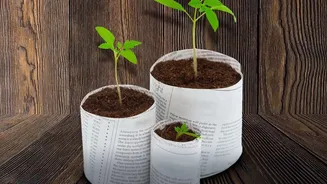
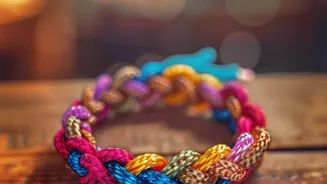
A plantable seed rakhi is an eco-friendly alternative to its conventional counterpart. It’s crafted from biodegradable materials like handmade paper, clay, and natural cotton or jute threads. Embedded within its core are seeds of vegetables, flowers,
or herbs like tomato, marigold, basil, or sunflower. After the festivities conclude, instead of being discarded, the entire rakhi can be planted in a pot of soil. With a little water and sunlight, the thread and its base decompose, and the seeds germinate, transforming a symbol of love into a living plant. This act extends the life of the rakhi from a single day to a lasting memory that grows over time.
The Problem with Plastic Rakhis
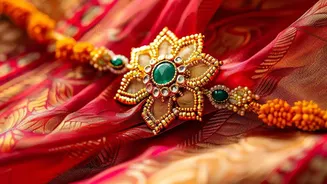
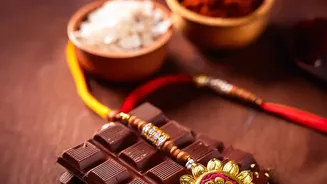
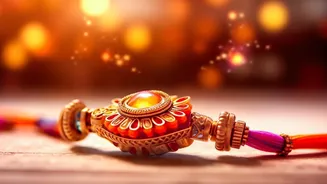
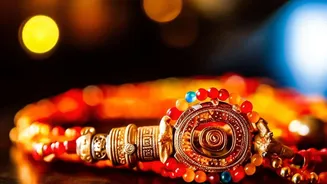
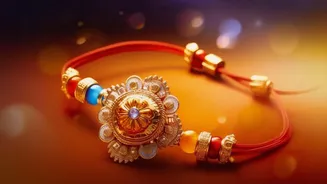
The shift towards sustainable options is a direct response to the environmental cost of traditional rakhis. Most mass-produced rakhis are made with non-biodegradable materials such as plastic beads, nylon threads, glitter, and synthetic adhesives. Each year, millions of these rakhis are used for a day and then discarded, contributing to landfill waste and plastic pollution. These materials can take hundreds of years to break down, and their production and disposal can release harmful chemicals into the environment. The colourful embellishments often contain microplastics that can pollute waterways. This festive wastefulness has prompted a growing number of consumers to seek more meaningful and less destructive ways to celebrate.
A Tradition Evolved, Not Abandoned
The rise of the seed rakhi isn't about rejecting tradition; it’s about enhancing it with modern values. The core sentiment of Raksha Bandhan—a promise of love and protection—remains unchanged. However, the plantable rakhi adds a new layer of meaning: a shared responsibility towards protecting nature. It beautifully merges age-old customs with contemporary ecological consciousness. This evolution allows families to honour their cultural heritage while making a positive environmental statement. The act of planting the rakhi together becomes a new ritual, creating an ongoing connection between siblings long after the festival is over.
A Boost for Local Artisans and Small Business
The demand for eco-friendly rakhis is fuelling a vibrant cottage industry. Many of these plantable creations are handmade by local artisans, women's self-help groups, and non-profit organisations across the country. This trend provides sustainable livelihoods and empowers communities by placing a premium on traditional skills like crochet and hand-weaving. By choosing a handmade seed rakhi, consumers are not only reducing waste but also supporting ethical production and local economies. Companies and social enterprises are now working directly with these artisans, helping them reach a wider market and ensuring that the celebration's benefits are shared more broadly.
Part of a Larger Green Gifting Wave
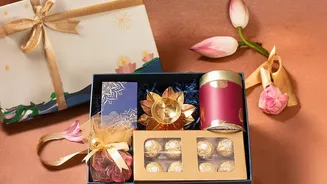
Plantable rakhis are a prominent example of a much larger shift in Indian consumer behaviour. Increasingly, Indians are seeking sustainable alternatives in all aspects of life, and festive gifting is no exception. Reports show a significant preference for eco-friendly products, with a majority of consumers willing to choose brands that demonstrate environmental responsibility. This conscious consumerism is reshaping the gifting landscape for festivals like Diwali and Raksha Bandhan. The focus is moving away from disposable, mass-produced items towards thoughtful, useful, and ethically made gifts that carry a meaningful story and minimise environmental impact.