





Beyond the 'Green' Buzzword
The term 'eco-lodge' is more than just a marketing tag for a hotel with a few plants. A true eco-lodge is built on a foundation of sustainability and conservation. These are accommodations designed to have a minimal environmental impact. Think buildings
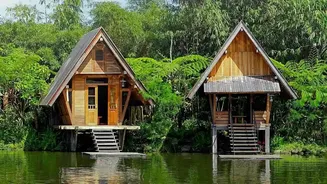
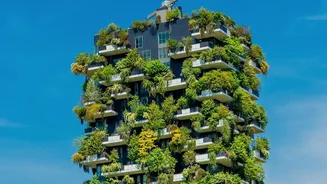
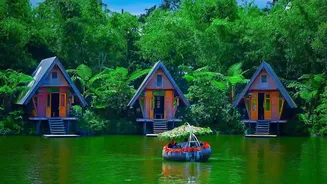
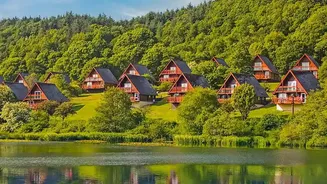
made from locally sourced, renewable materials like bamboo or reclaimed wood, architecture that blends into the landscape, and operations powered by renewable energy like solar. Key practices often include comprehensive recycling programs, water conservation through rainwater harvesting, and waste reduction strategies that aim to leave the lightest possible footprint on the surrounding environment. They are specifically designed for travellers to experience natural areas in an environmentally friendly way.
A Shift in the Traveller's Mindset
The rising popularity of eco-lodges reflects a significant change in how we think about travel. An increasing number of travellers, especially in India, are prioritising sustainability when planning trips. There's a growing awareness of tourism's environmental impact, leading people to seek out experiences that are not only memorable but also responsible. The global pandemic amplified a desire for open spaces and meaningful connections over crowded tourist hubs. This has fuelled a trend towards 'slow travel'—staying longer in one place to immerse oneself in the local culture and environment, thereby reducing transit-related carbon emissions. It’s a move away from being a passive tourist to becoming a conscious traveller who wants their vacation to have a positive impact.
An Immersive Natural Experience
Staying at an eco-lodge is fundamentally different from a conventional hotel stay. The experience is designed to be immersive. It's not just a place to sleep, but a gateway to genuinely connecting with nature. Activities are often centred on appreciating the local ecosystem, such as guided jungle walks with naturalists, bird watching expeditions, or kayaking in pristine waters. The philosophy extends to the dining table, with many lodges featuring farm-to-table menus that use organic ingredients sourced from their own gardens or local producers, reducing food miles and supporting the community. This focus on authenticity allows guests to learn about conservation efforts and sustainable practices firsthand, turning a holiday into an educational and enriching journey.
Finding Your Green Haven in India
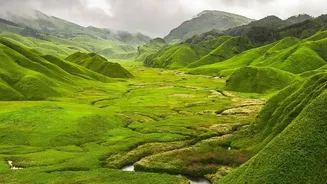
India, with its vast and diverse landscapes, is a burgeoning hub for ecotourism, with the market expected to grow significantly. The Indian government has also been promoting sustainable and responsible tourism, recognising the need to preserve the country's natural and cultural heritage. From the tranquil backwaters of Kerala and the dense forests of the Western Ghats to the Himalayan foothills in Uttarakhand and the untouched wilderness of the Northeast, unique eco-lodges are emerging. These properties offer a chance to experience India's incredible biodiversity up close while adhering to principles of conservation and community support. Travellers are increasingly seeking out these nature-centric vacations, contributing to a sector that is projected to expand rapidly in the coming years.
The Vacation with a Lasting Impact
Perhaps the most compelling aspect of choosing an eco-lodge is knowing your stay has a ripple effect of good. These establishments are often deeply integrated with their local communities, providing stable employment and fostering economic sustainability. By channelling a portion of their revenue into conservation projects, they become active guardians of the local wildlife and habitats they showcase. Your stay directly contributes to protecting biodiversity, preserving cultural heritage, and improving the welfare of local people. It transforms a simple vacation into a purposeful act—an investment in the very nature and culture you've travelled to experience. This makes the escape not just relaxing, but truly rewarding.