





From Transaction to Tradition
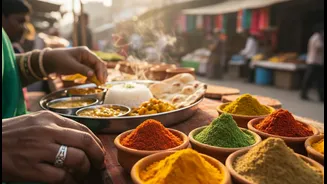
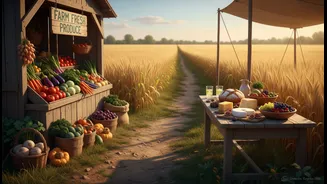
For generations, food shopping was a simple necessity. Today, it’s transforming into a cherished experience. The rise of farmers' markets across India is not just about buying vegetables; it’s about reconnecting with the source of our sustenance. This
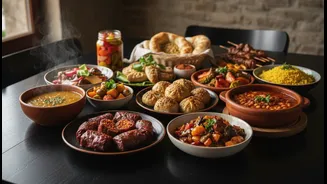
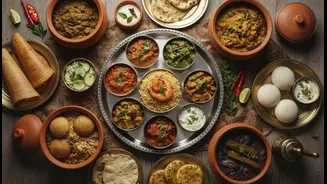
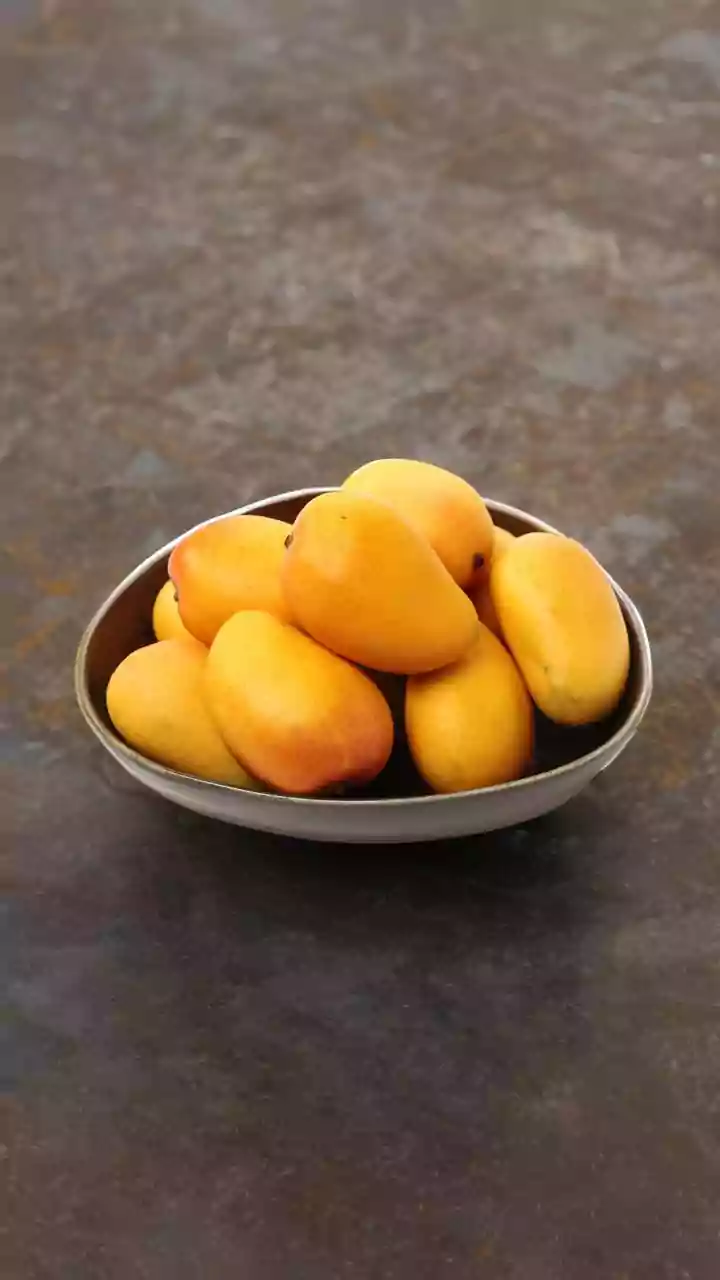
shift from a purely transactional relationship with food to a more meaningful one has given birth to what can be called 'new holidays'. These aren't public holidays in the traditional sense, but rather a growing calendar of food festivals, community feasts, and personal rituals that celebrate local produce and the people who grow it. From urban food fetes showcasing regional cuisines to festivals dedicated to a single ingredient like the International Mango Festival in Delhi, communities are finding new reasons to gather and celebrate the bounty of the land.
A Craving for Connection and Authenticity
What’s driving this movement? At its heart is a deep-seated craving for authenticity and connection. In a globalised world, consumers are increasingly seeking transparency, wanting to know where their food comes from and who grows it. This desire is a reaction against the impersonal nature of industrial food systems. Going to a farmers' market allows for direct interaction between producers and consumers, fostering relationships and a sense of community. This trend taps into a powerful human need to connect with our heritage and the natural cycles of the seasons, turning a simple meal into a story of place, effort, and shared values. These gatherings are not just about eating; they are about understanding and appreciating the entire food journey.
Harvest Festivals Reimagined for the Modern Age
India has a rich history of harvest festivals like Baisakhi, Pongal, and Onam, which have always tied food to celebration. The current trend builds on this foundation, reinterpreting it for a modern, urban audience. We now see events like the Nilgiris Earth Festival, a 'farm-to-fork' experience where guests enjoy meals made from organic produce grown just steps away. In cities like Mumbai, the Wild Food Festival celebrates indigenous wild vegetables and tribal culinary heritage, creating a space for city dwellers to learn from Adivasi communities. Similarly, food-focused events such as Goa's Food and Cultural Festival or Nashik's SulaFest blend local culinary traditions with music and entertainment, attracting thousands who seek an immersive cultural experience.
The Rise of the Gastro-Pilgrim
This celebration of local food is also fuelling a new kind of travel: gastro-tourism. People are increasingly planning trips around culinary experiences, eager to explore the unique food cultures of different regions. Farm stays in Kerala offer chances to engage in heritage cooking workshops, while food trails in Rajasthan introduce visitors to royal kitchens and desert farm fare. This movement of 'gastro-pilgrims' seeks out authentic, sustainable dining and the stories behind the food. These travellers don't just want to eat; they want to participate, learn, and connect with the local food ecosystem, turning their holidays into a delicious exploration of regional identity.
More Than Just a Meal
Ultimately, these new food-centric holidays are about more than just what’s on the plate. They are about building community. When people gather to celebrate a local harvest or share a meal made from seasonal ingredients, they are reinforcing social bonds and supporting their local economies. Initiatives that connect farmers directly to consumers, whether through markets or festivals, empower small producers and foster a more sustainable food system. By turning the spotlight on the journey from the soil to the table, these celebrations remind us that food is a powerful thread that connects us to the land, our culture, and each other.