




The Social Hub: Lower Berth
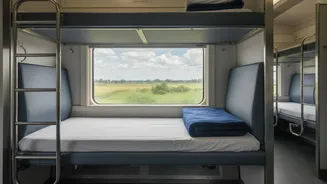
The most sought-after and convenient option, the lower berth (LB), is the default choice for senior citizens, families with children, and anyone who dreads climbing. Its biggest advantage is accessibility; there's no need to scale a ladder for a midnight
trip to the washroom, and your luggage is conveniently stored right underneath. It also offers the best view from the window. However, this convenience comes at a cost to privacy. During the day, the lower berth becomes a communal seating area for the occupants of the middle and upper berths, a social hub whether you like it or not. You can expect constant foot traffic and conversations, which means uninterrupted rest is only possible after official sleeping hours, typically from 10 p.m. to 6 a.m.
The Compromise: Middle Berth
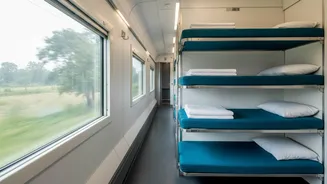
The middle berth (MB) is arguably the least desirable of the trio. Its existence is temporary; it must be folded down during the day to allow passengers on the lower berth to sit comfortably, meaning you have no designated space of your own during daytime hours. At night, it offers a place to sleep, but it comes with significant restrictions. The headroom is minimal, often making it impossible to sit up straight. This can feel claustrophobic and is particularly uncomfortable for taller individuals. While it shields you from some of the aisle traffic that the lower berth endures, its primary function is simply to provide a sleeping spot when all other options are taken. It's a functional but often uncomfortable compromise.
The Private Escape: Upper Berth
For travelers who prioritize uninterrupted sleep above all else, the upper berth (UB) is the undisputed champion. Once you've made the climb, the space is entirely your own, day or night. You are shielded from the constant movement and chatter of the compartment, making it ideal for those who want to sleep early or rest during the day. It also offers a greater sense of security for personal belongings. The downsides are the climb itself, which can be inconvenient, and the limited headroom that prevents you from sitting up fully. It can also feel warmer as heat tends to rise. However, for solo travelers or anyone seeking privacy, these trade-offs are often well worth it for a peaceful journey.
The Aisle Contenders: Side Berths
Positioned along the corridor are the side lower (SL) and side upper (SU) berths, which offer a different travel experience. The side lower berth doubles as two seats during the day and provides a fantastic window view. However, it faces directly onto the high-traffic aisle, offering little privacy. It's also often the designated spot for passengers with RAC (Reservation Against Cancellation) tickets, meaning you may have to share your seat. The side upper berth, much like the main upper berth, provides a private, elevated space for undisturbed sleep. Both side berths can sometimes feel shorter and narrower than their main-compartment counterparts, which is a key consideration for taller passengers.
Making the Right Choice for You
Ultimately, the 'best' berth depends entirely on your travel style and priorities. If you value easy access and a window seat and don't mind a social environment, the lower berth is ideal. If you are a solo traveler who wants to sleep soundly without any disturbances, aim for the upper or side upper berth. For families, a combination of lower and upper berths within the same compartment can create a semi-private space. When booking your next ticket, take a moment to consider what matters most for your comfort. That simple click on your berth preference can transform your journey from a test of endurance into a restful and enjoyable experience.