






Why Our Cities Have Lost Their Stars
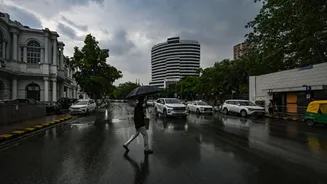
The culprit is 'light pollution'—the excessive and misdirected artificial light from streetlights, buildings, and advertisements that creates a perpetual twilight glow. Major Indian metropolitan areas like Delhi, Mumbai, and Bengaluru now have skies that are up
to 50 times brighter than they naturally should be. This urban 'skyglow' effectively drowns out all but the brightest celestial objects, making it impossible to see the magnificent band of the Milky Way or the thousands of stars that our ancestors saw every night. Beyond just obscuring the view, this has ecological and health impacts, but for the urban resident, it's a lost connection to the universe.
Cosmic Escapes Near Mumbai
For Mumbaikars, the Western Ghats offer the quickest refuge. Matheran, a vehicle-free hill station just 90 km away, provides a surprising level of darkness once you get away from the main market. Another excellent option is the ancient crater lake at Lonar, Maharashtra. Formed by a meteor impact, its remote location surrounded by forest makes it blissfully free of light pollution and a favourite for trekkers and amateur astronomers. For those seeking a blend of history and stars, Naneghat, a historic mountain pass, offers incredible vistas of the night sky away from the city's haze.
Gateway to the Galaxy from Delhi
Residents of the National Capital Region have to contend with some of the country's worst light pollution. However, a few hours' drive can make all the difference. Astroport Sariska, located near the Sariska Tiger Reserve, is India's first astronomy-themed resort and offers a 'Bortle Class 4' dark sky—a scientific measure of darkness far superior to the city. The Aravalli hills in the region provide natural barriers against the city glow. For a more rustic experience, heading towards towns in western Rajasthan like Jhunjhunu can also yield impressive night skies. The key is to get as far from the dense urban core of Delhi-Gurgaon as possible.
Bengaluru’s Celestial Backyard
While Bengaluru's tech boom has dramatically increased its light pollution, the surrounding landscape of Karnataka offers plenty of dark-sky havens. Coorg (Kodagu) is a premier destination, with its dense forests and hills acting as a natural shield. Homestays in smaller interior villages are better than the main town of Madikeri for the best views. Starscapes operates an observatory in Coorg with guided sky tours. For the more adventurous, the peaks of the Western Ghats like Kodachadri offer a chance to see the Milky Way on clear, moonless nights.
General Tips for the Urban Stargazer
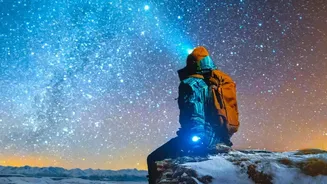
You don't always need to travel to a designated dark-sky park. The first step is to check the lunar calendar and plan your outing around the New Moon, as a full moon can wash out the sky almost as much as city lights. Use smartphone apps to identify constellations and track celestial events. When you head out, give your eyes at least 20-30 minutes to fully adapt to the darkness and avoid looking at your phone screen; use a red flashlight instead to preserve your night vision. Even a good pair of binoculars can reveal stunning details like Jupiter's moons or craters on our own moon, making them a great starting tool for any budding astronomer.
The Rise of Astro-Tourism
If you're willing to travel further, India is a world-class destination for stargazing. Places like the Rann of Kutch in Gujarat, where the white salt desert reflects the starlight, offer a surreal experience. For the ultimate view, Hanle in Ladakh is home to India's first official Dark Sky Reserve, offering some of the clearest and darkest skies on the planet. Similarly, Spiti Valley in Himachal Pradesh provides high-altitude clarity with minimal light pollution, making it a pilgrimage site for astrophotographers and stargazers alike.