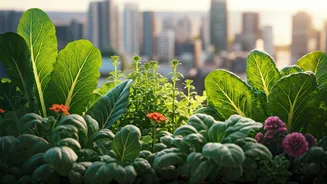



The Secret: Work With Nature, Not Against It
Here it is: the most transformative secret in gardening is to stop fighting your environment and start collaborating with it. Many aspiring gardeners fail because they try to force a plant to survive in a place it was never meant to be. They plant sun-loving
flowers in deep shade or moisture-craving ferns in dry, sandy soil. This turns gardening into a constant, uphill battle of over-watering, under-watering, and battling pests and diseases that prey on stressed plants. Easy gardening begins the moment you decide to become an observer. The goal isn't to bend nature to your will, but to understand what your specific space—your balcony, your windowsill, your patch of land—wants to grow. This one change in mindset makes everything that follows simpler and more successful.
Right Plant, Right Place
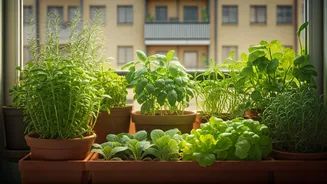
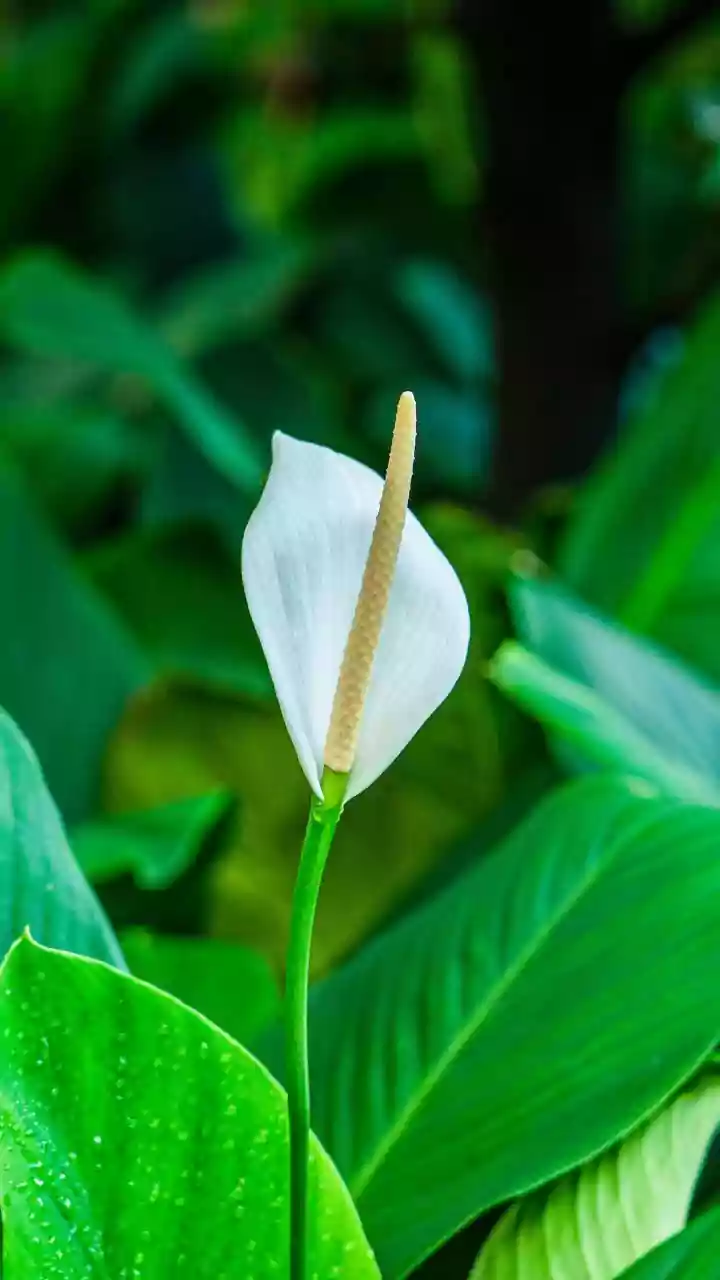
This is the practical application of the secret. Before you buy a single seed or sapling, take time to observe your space. Where does the sun fall in the morning versus the afternoon? Is it harsh, direct sunlight for over six hours (full sun), or is it dappled light for a few hours (part shade)? Or is the spot mostly in shadow (full shade)? Once you know your light conditions, your choices become clear. Instead of picking a plant you like and hoping for the best, you can now look for plants that are specifically suited for the light you have. For a sun-drenched balcony in Delhi, think bougainvillaea or marigolds. For a shaded patio in Bengaluru, consider ferns or peace lilies. Reading the plant tag at the nursery isn't a suggestion; it's your instruction manual for success.
Become a Soil Scientist (The Easy Way)
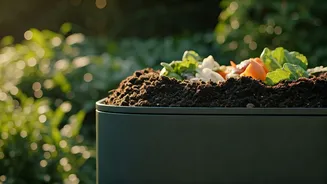
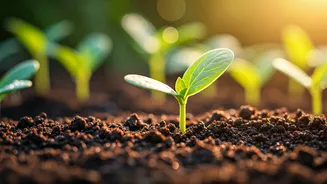
Great gardeners focus on the soil, not just the plant. Healthy soil is the foundation for everything. You don't need a complicated lab kit to understand your soil. Is it sticky and dense like clay? Does water run through it instantly as if it’s sand? Or is it dark, crumbly, and rich? Most urban and container gardeners will be working with potting mix. The secret here is not to skimp. A good quality potting mix is designed to hold moisture while also allowing for drainage—a balance that is hard to achieve with simple garden soil. For those with ground to plant in, the universal improver is compost. Adding a few inches of compost every year improves soil structure, adds vital nutrients, and encourages a healthy ecosystem of worms and microbes that do half the gardening work for you.
Water Smarter, Not Harder
Overwatering is the number one killer of container plants. We see a plant, we feel nurturing, and we give it a drink—often every single day. This is usually a mistake. Most plants prefer a “deep and infrequent” watering schedule. This means giving the plant a thorough soaking until water runs out of the drainage holes, and then letting the top inch or two of soil dry out completely before watering again. This encourages the roots to grow deep in search of moisture, creating a stronger, more resilient plant. Instead of watering on a rigid schedule, learn to check the soil. Stick your finger an inch deep into the pot. If it feels dry, it’s time to water. If it’s damp, wait another day. This simple test prevents root rot and saves you time and effort.