




Why Bother With Fibre?
Before we dive into the habits, it’s worth remembering why fibre is so important. This powerhouse plant component is essential for a healthy digestive system, preventing constipation and supporting gut health. A high-fibre diet is also linked to a lower
risk of heart disease, type 2 diabetes, and certain types of cancer. Furthermore, fibre helps you feel fuller for longer, which can aid in weight management and appetite control. Experts suggest women aim for about 25 grams per day, while men should target around 38 grams.
1. Make Whole Grains the Default
One of the simplest and most effective habits is to swap refined grains for their whole-grain counterparts. Make it a rule in your kitchen: when you buy bread, pasta, or rice, reach for the whole-wheat or brown-rice version. This small change can double or even triple your fibre intake from these common foods without any extra effort in your cooking. Keep your pantry stocked with options like quinoa, barley, and oats to make high-fibre side dishes the easy choice.
2. Establish a Seed Station
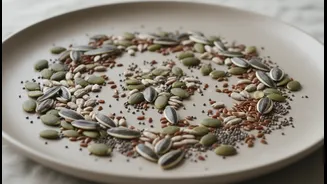
Set up a “seed station” on your kitchen counter or in a prominent cupboard. Fill a few small jars with chia seeds, ground flaxseeds, sunflower seeds, or pumpkin seeds. This visual reminder makes it incredibly easy to sprinkle a spoonful onto your morning cereal, yoghurt, or smoothies. Just two tablespoons of chia or flax seeds can add around 6 grams of fibre, making this a low-effort, high-impact habit. You can also toss them into salads for a satisfying crunch.
3. Embrace the Mighty Bean
Legumes like beans, lentils, and chickpeas are fibre all-stars. The habit to build here is thinking, “Can I add beans to this?” Keep a variety of canned, no-salt-added beans in your pantry for quick additions. You can toss a can of chickpeas into a salad, mix black beans into a pasta sauce or curry, or blend white beans into soups to make them creamier and more nutritious. They are also a budget-friendly way to bulk up meals.
4. Prioritise 'Leave the Skin On'
A surprising amount of fibre is located in the skin of fruits and vegetables like apples, potatoes, and cucumbers. Adopt a “skin-on” policy whenever it makes sense. Scrub potatoes well and bake or roast them whole instead of peeling them. Choose to eat whole fruits instead of drinking juices, which have most of their fibre removed. This simple habit not only saves you prep time but also ensures you're getting the maximum nutritional benefit.
5. Leverage Your Freezer
For busy families, fresh produce can sometimes go to waste. Use your freezer as a fibre-boosting tool. Stock up on frozen fruits and vegetables. Frozen berries are perfect for adding to smoothies or oatmeal. Frozen vegetables like broccoli, spinach, and peas can be quickly tossed into stir-fries, sauces, and stews, ensuring you always have a fibre-rich option on hand, even when the fridge is looking bare.
6. Rethink Your Snacks
Transform your snack drawer from a low-fibre zone to a high-fibre haven. Instead of reaching for chips or pretzels, make fibre-rich options the most convenient choice. Keep portions of unsalted nuts, air-popped popcorn, or whole-grain crackers readily available. Fresh fruits and vegetable sticks with hummus are also excellent high-fibre snacks that can tide you over between meals.