






Embrace the Bitter Truth
Indian tradition has long praised the benefits of bitter foods, especially during the monsoon. Vegetables like bitter gourd (karela), neem, and herbs like fenugreek (methi) are powerhouses of antibacterial and antiviral properties. These foods are believed
to help purify the blood and keep infections at bay. The slightly bitter taste comes from compounds that stimulate the immune system and aid digestion, which can become sluggish in the humid weather. Including a small portion of these vegetables in your meals, perhaps in a simple stir-fry or as part of a dal, can help fortify your body's natural defences against common monsoon ailments like colds and flu.
Go for Gourds
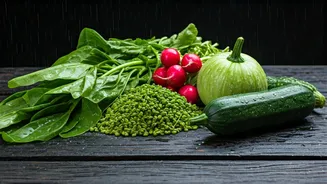
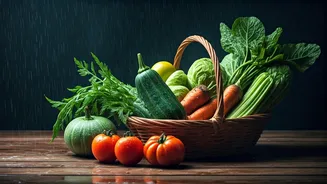
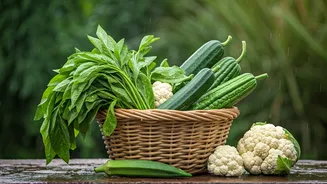
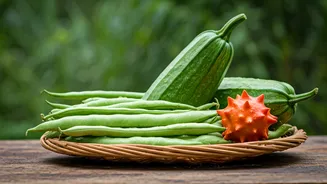
The rainy season is a time when heavy, oily foods can feel taxing on the digestive system. This is where the humble gourd family comes in. Bottle gourd (lauki), ridge gourd (turai), and pointed gourd (parwal) are all in season and are incredibly light on the stomach. Composed mostly of water, they help you stay hydrated. They are also rich in fibre, which aids digestion and prevents constipation. Furthermore, these vegetables are low in calories but packed with essential nutrients like Vitamin C, iron, and magnesium, making them a perfect addition to monsoon-friendly soups, stews, and simple subzis.
Power Up with Corn (Bhutta)
Is it even a monsoon without the smell of roasted corn on the cob? Beyond being a delicious and nostalgic snack, corn (bhutta) is a fantastic seasonal choice for your health. It is a good source of fibre, which helps keep the digestive tract clean and healthy. Corn is also rich in antioxidants like lutein and zeaxanthin, which are beneficial for eye health, and contains B vitamins that are crucial for energy production. Whether you enjoy it roasted with lemon and masala or boiled in salads and soups, corn is a wholesome and filling food that provides sustained energy without feeling heavy.
Snack on Jamun and Plums
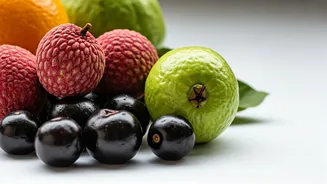
The monsoon brings with it a delightful bounty of fruits, with jamun (Indian blackberry) and plums (aloo bukhara) leading the charge. Jamun is a low-calorie fruit packed with iron, potassium, and Vitamin C, which is essential for a strong immune system. It has traditionally been used to manage blood sugar levels and improve digestion. Similarly, plums are a great source of antioxidants and fibre. Both fruits have a slightly astringent quality that can help with digestive issues. They make for a perfect healthy snack to satisfy sweet cravings while providing a much-needed nutritional boost.
Spice It Right with Turmeric and Ginger
While available year-round, the warming and healing properties of spices like turmeric (haldi) and ginger (adrak) are especially valuable during the damp, cool days of the monsoon. Turmeric is famous for its active compound, curcumin, which is a powerful anti-inflammatory and antioxidant. A pinch of turmeric in your milk or dal can go a long way. Ginger is another monsoon hero, known for its ability to soothe a sore throat, fight respiratory infections, and aid digestion. A warm cup of ginger tea is not just comforting; it's a traditional remedy for keeping monsoon-related coughs and colds at bay. These rhizomes help to warm the body from within and support its fight against seasonal germs.
Don't Forget Pomegranates
Another fruit that shines during this season is the pomegranate (anaar). Its bright red jewels are loaded with powerful antioxidants that are even more potent than those found in green tea. These antioxidants help fight cellular damage and reduce inflammation. Pomegranates are also an excellent source of Vitamin C, which is crucial for building a robust immune system capable of fending off infections. The fibre in pomegranates also supports a healthy gut, which is the frontline of your body's defence system. Enjoy them as a snack, or sprinkle the seeds over salads and yogurt for a colourful and healthy boost.