




A Festival Reimagined
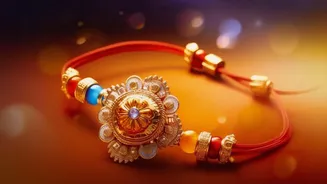
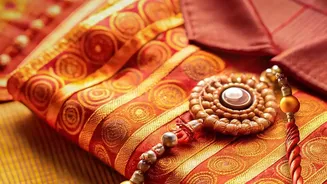
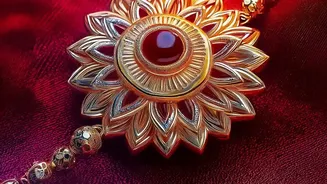
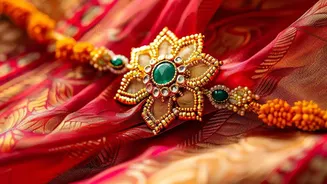
Raksha Bandhan, a festival celebrating the cherished bond between siblings, often comes with a hidden environmental cost. Every year, millions of rakhis, many adorned with plastic beads, synthetic threads, and glitter, are discarded after the festivities.
These non-biodegradable materials can end up in landfills, where they contribute to pollution for hundreds of years. But now, a growing wave of eco-conscious consumers, particularly young people, are driving a powerful change. They are embracing an innovative and beautiful alternative: the plantable seed rakhi. This simple yet profound shift is transforming a centuries-old tradition into a modern statement of sustainability.
From Wrist to Garden
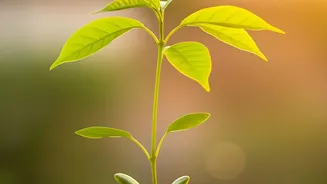
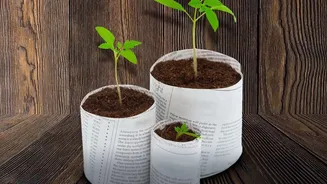
So, what exactly is a plantable rakhi? Crafted from biodegradable materials like recycled paper, clay, or organic cotton threads, these rakhis have a unique feature: they are embedded with seeds. Instead of being thrown away, the rakhi can be planted in soil after the festival. With a little water and care, the seeds germinate and grow into flowers like marigolds, herbs like basil, or even vegetables like tomatoes. The process is simple: soak the rakhi, place it in a pot, cover it with a thin layer of soil, and keep it moist. Within a few weeks, a sprout emerges, serving as a living, growing reminder of the sibling bond long after the festival is over. This transforms the rakhi from a single-day accessory into a gift that keeps on giving.
The Minds Behind the Movement
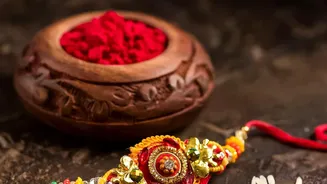
This green trend is being championed by a host of small businesses, artisans, and voluntary organizations across the country. Many are founded by women and environmental advocates who see an opportunity to blend tradition with ecological responsibility. These creators use natural materials and dyes like turmeric or geru, often incorporating traditional crafts like crochet into their designs. For these social enterprises, it's about more than just selling a product. It's a movement to promote volunteerism, demonstrate the power of individual choices, and foster a personal connection with nature. By choosing these rakhis, consumers are not only reducing waste but also supporting local artisans and sustainable business practices.
More Than Just a Thread
The appeal of seed rakhis goes beyond their environmental benefits. For many, they represent a deeper, more meaningful expression of the festival's spirit. The act of planting the rakhi and watching it grow mirrors the nurturing and protective nature of the sibling relationship itself—a bond that is meant to grow and flourish over time. It also serves as a powerful educational tool for children, teaching them about sustainability, the life cycle of plants, and the impact of their choices in a tangible and engaging way. As families prepare to celebrate Raksha Bandhan on Friday, August 28, 2026, the choice of a rakhi becomes a conversation starter, weaving new layers of meaning into the celebration.